


















Be an Air India Pilot with AIFTA
About Air India Flying Training Academy [AIFTA]
Aimed to build skilled pilots and aviation professionals, Air India Flying Training Academy [AIFTA] at Amravati, Maharashtra airfield, is built for dreamers who dare to soar higher. Designed to provide end-to-end Commercial Pilot License training, it is equipped with a state-of-the-art training infrastructure. The curriculum is a blend of high-performance learning, hands-on experience, mentorship from seasoned professionals and an ideal training environment with 300+ flying days in a year.
Sneak Peek

THE AIFTA ADVANTAGE
3X
fleet expansion unlocks opportunities to represent India worldwide with our technologically advanced flagship carrier.
By 2027
we aim to be a world-class airline—driven by pilots empowered with competitive salaries and holistic benefits.
Be an Air India Pilot with AIFTA
About Air India Flying Training Academy [AIFTA]
Aimed to build skilled pilots and aviation professionals, Air India Flying Training Academy [AIFTA] at Amravati, Maharashtra airfield, is built for dreamers who dare to soar higher. Designed to provide end-to-end Commercial Pilot License training, it is equipped with a state-of-the-art training infrastructure. The curriculum is a blend of high-performance learning, hands-on experience, mentorship from seasoned professionals and an ideal training environment with 300+ flying days in a year.
Sneak Peek
THE AIFTA ADVANTAGE
3X
fleet expansion unlocks opportunities to represent India worldwide with our technologically advanced flagship carrier.
By 2027
we aim to be a world-class airline—driven by pilots empowered with competitive salaries and holistic benefits.
The AIFTA Campus
Our students can make the most of the state-of-the-art training infrastructure, which features a high-tech dispatch centre, a world-class maintenance facility (Hangar), digitally equipped classrooms and briefing rooms. A truly world-class centre offering advanced, industry-ready pilot training.
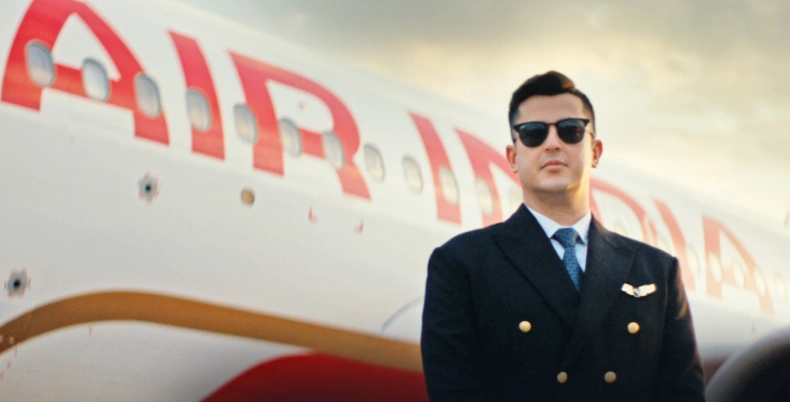
![]() Pilots
Pilots

![]() Cabin Crew
Cabin Crew
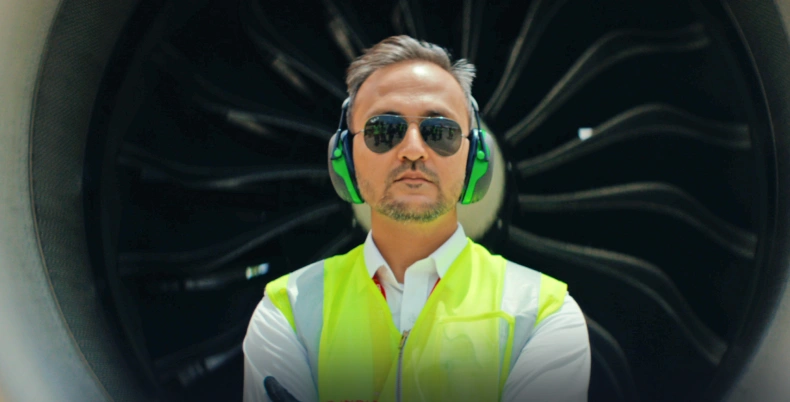
![]() Engineers
Engineers


![]() Pilots
Pilots
![]() Cabin Crew
Cabin Crew
Inside the AIFTA Ecosystem
At AIFTA, we help you realise your dream by giving the right training, expert guidance and tools that will enable you to become ready for the aviation industry. Here’s what we offer at AIFTA:
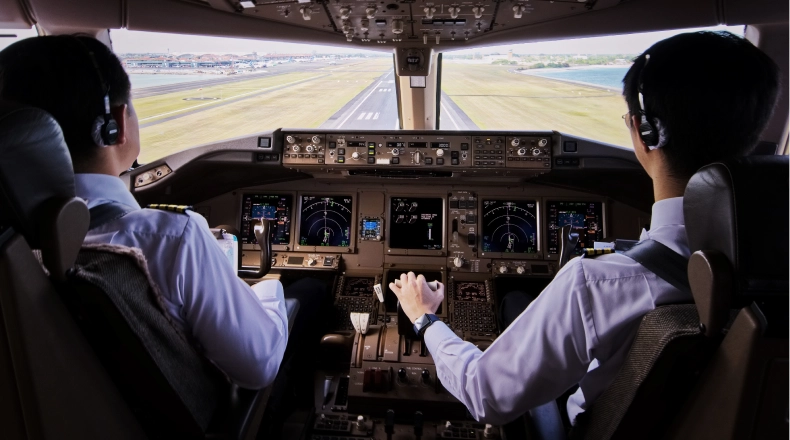
Infrastructure
Spread across a sprawling 10-acre area, the campus is meticulously designed to accommodate and train up to 180 cadets simultaneously, while fully complying with all regulatory and statutory requirements.
A state-of-the-art training infrastructure, including a high-tech dispatch centre, a world-class maintenance facility (Hangar), digitally equipped classrooms and briefing rooms, enables a holistic learning experience. The campus also features hostel accommodations, dining facilities, and supporting amenities.
This integrated setup aims to foster a professional, immersive, and enriching environment for cadet development.

Equipment
To deliver high-quality Commercial Pilot License (CPL) training in accordance with regulatory standards, the academy houses a fleet of 34 trainer aircraft and 3 Fixed-Based Simulation Devices (FSTDs) and a designed Aircraft Fleet:
- 31 Single-Engine Piper Archers
- 3 Multi-Engine Diamond DA42 NG Simulation Devices:
- 2 Single-Engine Frasca FSTDs
- 1 Multi-Engine Diamond FSTD
All aircraft are equipped with ADS-B and feature the Garmin G1000 NXi avionics suite, ensuring a best-in-class training experience through advanced navigation and situational awareness systems.
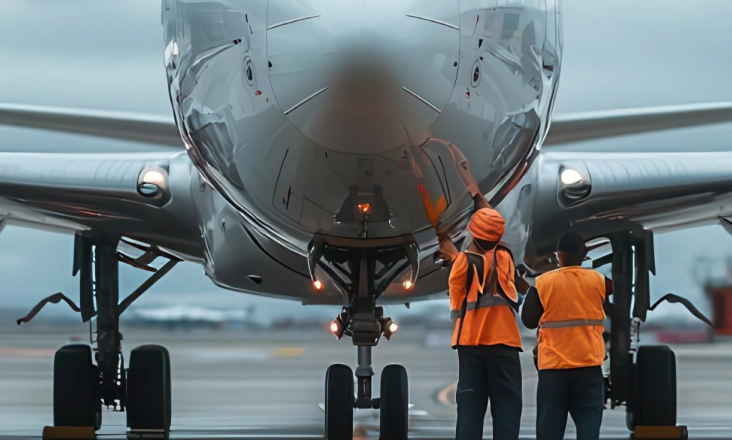
Curriculum & Faculty
The training curriculum meets all regulatory requirements for obtaining a Commercial Pilot License (CPL), along with instilling a strong airline culture among cadets.
Program Highlights:
- Duration: 18 months (estimated completion time)
- Classroom Training: To help cadets clear CPL theory subjects
- Flight Training: 200 Hours (total)
- Single Engine: 185 Hours
- Multi-Engine: 15 Hours
Additional Training Modules:
- License Conversion Training (Single & Multi-Engine) for foreign students
- Radio Telephony Restricted (RTR) training
To provide the best-in-class training experience, the training academy aims to maintain a 1:1:6 ratio of Aircraft: Flight Instructor: Student in a steady state.
SECURE SKILL-BUILDING
Every training flight of our cadets adheres to the highest standards of safety, regulatory compliance, and operational excellence.
![]() Flight Instructor
Flight Instructor
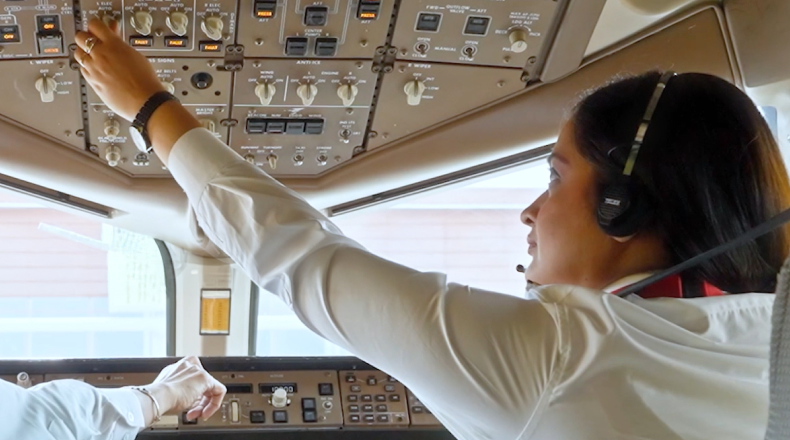
A flight instructor at AIFTA is a highly qualified pilot delivering structured ground and flight training, demonstrating essential manoeuvres, and closely monitoring each cadet’s progress to fulfil rigorous DGCA licensing requirements.
![]() Ground Instructor
Ground Instructor
A ground instructor is responsible for delivering the core theoretical knowledge —sessions on aviation regulations, aerodynamics, navigation, meteorology, aircraft systems, and human performance, to develop a deep understanding of safe and efficient flight operations. Apart from continuous academic support, they also guide cadets through exam preparation for DGCA requirements.
![]() Engineering
Engineering
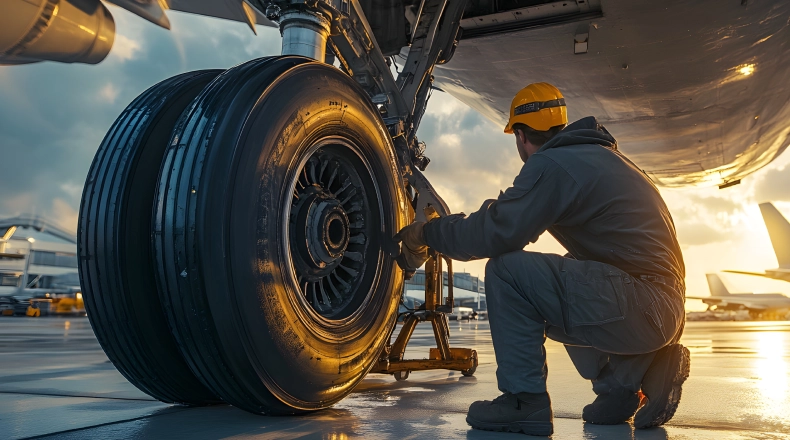
The Engineering team ensures the technical integrity and operational readiness of all training aircraft. They oversee aircraft systems, conduct rigorous pre- and post-flight inspections, and work in close coordination with flight instructors, maintenance crews, and operations personnel to uphold the highest levels of safety and reliability across daily training activities.
![]() Safety & Compliance
Safety & Compliance
The team manages the academy’s Safety Management System (SMS), conducts routine audits and risk assessments, investigates events, and ensures full compliance with Air India and DGCA safety requirements. They deliver regular safety briefings, monitor daily operations, and foster a culture of safety awareness among cadets, instructors, and staff.
![]() Operations Control Centre (OCC)
Operations Control Centre (OCC)
The OCC oversees aircraft scheduling, instructor rostering, weather evaluation, and real-time monitoring of training flights to ensure operations remain safe, efficient, and well-coordinated. With seamless coordination and high situational awareness, the OCC ensures that daily training reflects Air India’s standards of reliability and operational excellence.
![]() Security
Security
The Security Department safeguards cadets, staff, aircraft, and the facility by maintaining a controlled and secure environment. The team manages control, monitors campus activity, enforces security protocols, by conducting regular patrols, responding to security concerns, and coordinating with local authorities whenever required.
Key Details
An overview of the course’s eligibility requirements and fee structure.

![]() Eligibility
Eligibility
- Must be a citizen of India or OCI
- Age eligibility: 18 to 30 years
- Demonstrate good command of written and spoken English
- Should be in good physical and mental health
- Candidates must clear a medical test (DGCA Class 1 Medical) before starting flight training
- High School Education Certificate (National Institute of Open Schooling also accepted) with 60% in 10+2, including 60% marks in each of the following subjects: English, Mathematics & Physics.
* Applicants may reapply only after a cooling period of 3 months from the date of their previous application.

![]() Fee Overview
Fee Overview
Below is the estimated full-program cost (2025)
- Ground School (excluding GST) - ₹ 3,27,000
- No Flight Training - ₹ 76,00,000
- ATPL Ground School (excluding GST, indicative pricing) - ₹ 1,25.000
- Type Rating (excluding GST, indicative pricing) - ₹ 30,00,000
TRAINING PHASES
The total timeline until cadets are ready to join Air India Group (including Air India Express) as professional pilots is approximately 26 months, which includes an 18-month-long on-campus training.
![]() 6 Months Ground School
6 Months Ground School
Enrolled cadets will complete Ground School in Gurugram, Haryana, with an appointed third-party training provider. It is compulsory regardless of previously passing DGCA examinations. AIFTA will regularly monitor their progress to determine eligibility for Flight Training.
![]() 12 Months Flight Training
12 Months Flight Training
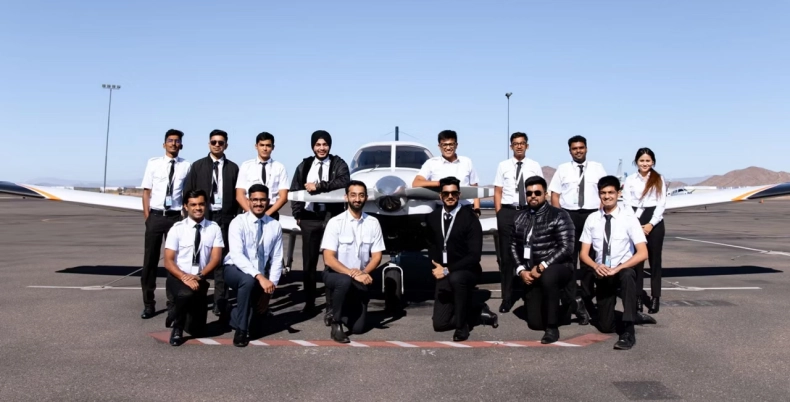
Cadets will then move to the AIFTA campus for their Flight Training with the academy. 12-month rigorous training will be provided on the campus.
![]() 8 Months for License, ATPL Ground School & Type Rating
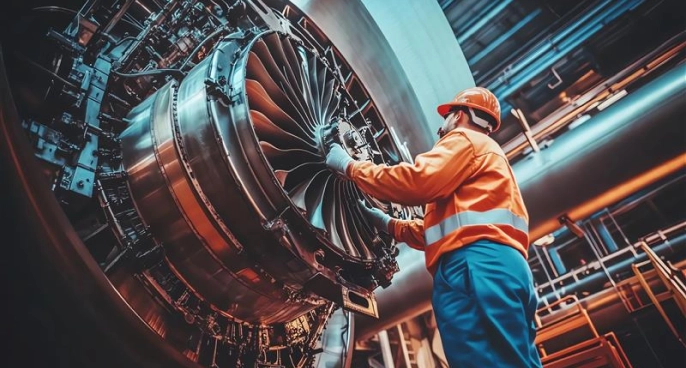
8 Months for License, ATPL Ground School & Type Rating
At AIFTA, we help you realise your dream by giving the right training, expert guidance and tools that will enable you to become ready for the aviation industry. Here’s what we offer at AIFTA:
Passenger Safety Onboard
Every training flight of our cadets adheres to the highest standards of safety, regulatory compliance, and operational excellence.
Passenger Safety Onboard
Every training flight of our cadets adheres to the highest standards of safety, regulatory compliance, and operational excellence.
Proposed Chief Flying Instructor - Kunjal Bhatt
Proposed Deputy Chief Flying Instructor - Capt. Vedang Verma
Proposed Deputy Chief Flying Instructor - Capt. Rahul Mangal
Flight Instructor - Capt. Vaibhav Soni
Flight Instructor - Capt. Mitul Daniel
Flight Instructor - Capt. Nishant Punia
Flight Instructor - Capt. Gajendra Singh Ranawat
FAQs
The 4 key pillars of flight safety are:
- Safety Policy – A strong commitment from leadership to put safety first
- Safety Risk Management – Identifying and managing potential risks
- Safety Assurance – Monitoring and improving safety performance
- Safety Promotion – Building a safety-first culture through training and awareness
These pillars help us maintain the highest standards of safety across operations.
A Safety Management System is a structured approach to managing safety risks in aviation. It involves hazard identification, risk analysis, performance monitoring, and a strong reporting culture to ensure continual improvement.
Your safety starts with simple steps:
- Always follow cabin crew instructions.
- Keep your seatbelt fastened while seated.
- Pay attention to the safety briefing and locate your nearest exit.
- Store baggage properly and avoid blocking aisles.
- Report anything unusual to the crew.
Passenger safety includes all the measures taken to protect you before, during, and after a flight. This includes trained crew, safety equipment, emergency procedures, and clear communication—everything designed to ensure a safe journey from take-off to landing.
Safety assessments are regular checks and audits conducted by airlines and aviation authorities to evaluate how well safety procedures are being followed. These help identify potential risks, improve processes, and keep flight operations compliant with global
At Air India, every flight undergoes multiple layers of safety checks—including:
- Pre-flight checks on airframe, cabin systems, engines, tyres, and doors.
- Turnaround checks between flights to ensure readiness.
- Routine inspections every few hundred flight hours.
All checks are carried out by certified engineers, technicians, and flight crew to ensure you fly safe, every time.
* Some visuals on this page are representative and used for illustrative purposes only.