Inside the airline’s people transformation and the ecosystem investment shaping a future ready workforce
When Air India began its transformation, the most visible signs of change appeared in aircraft orders, route expansion and a reintroduced global brand. Less visible, but far more consequential, was the work underway to rebuild the airline’s people, its organisational structure and its capabilities after years of decline.
What has emerged since privatisation is a sweeping people transformation that has run in parallel with fleet renewal, integration and rapid growth. At its centre lies a fundamental belief: no revival of Air India would be sustainable without rebuilding the workforce that operates it.
For Air India, privatisation meant far more than a change in ownership. It provided the opportunity to reset how the airline was structured, managed and held accountable.
A layered and siloed organisation was redesigned around clearer decision making and individual accountability. Redundant layers were removed, duplication reduced and critical capabilities strengthened or brought in house. Functions such as engineering, fleet acquisition, digital and operations were rebuilt to support growth at scale.
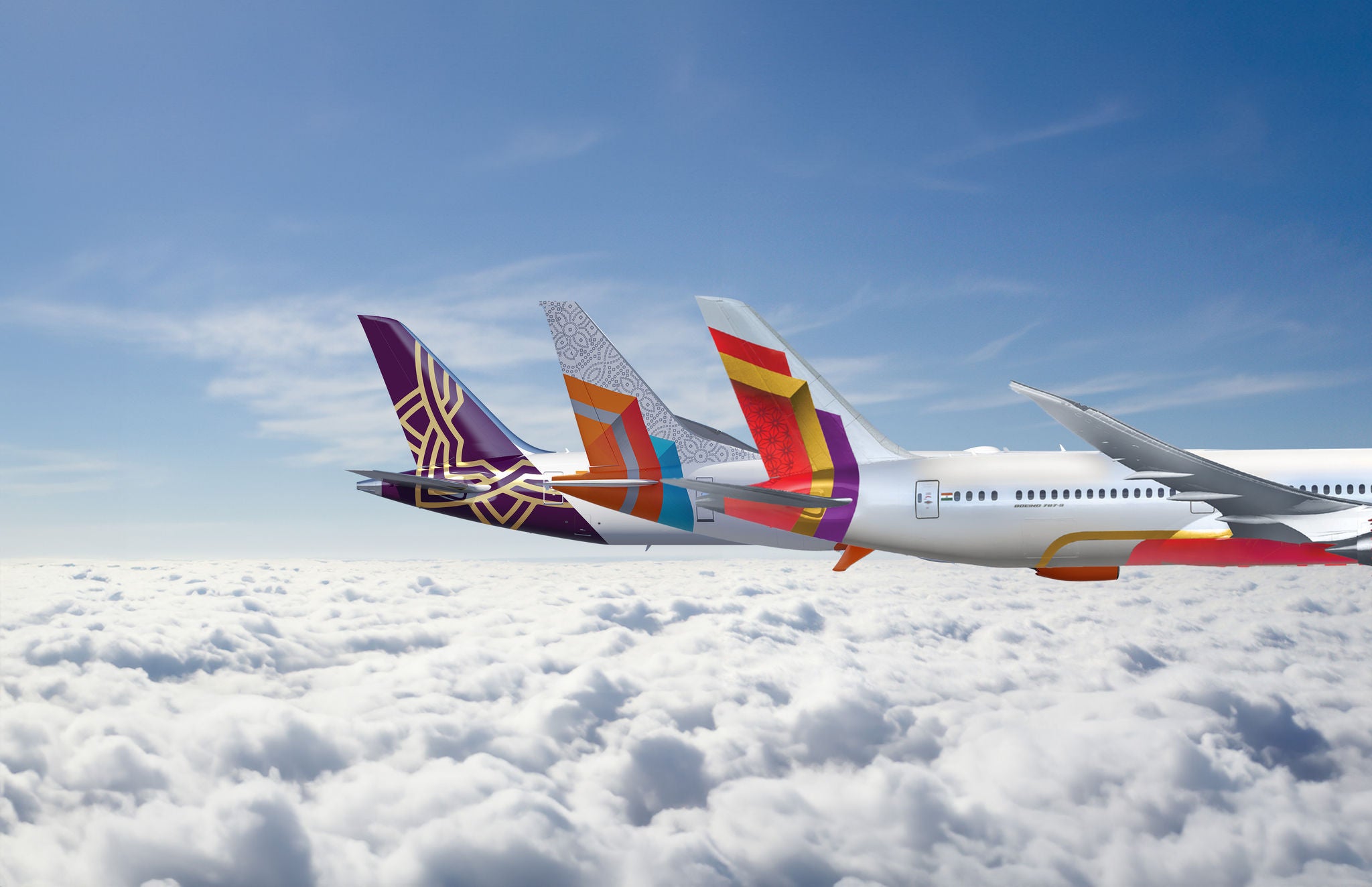
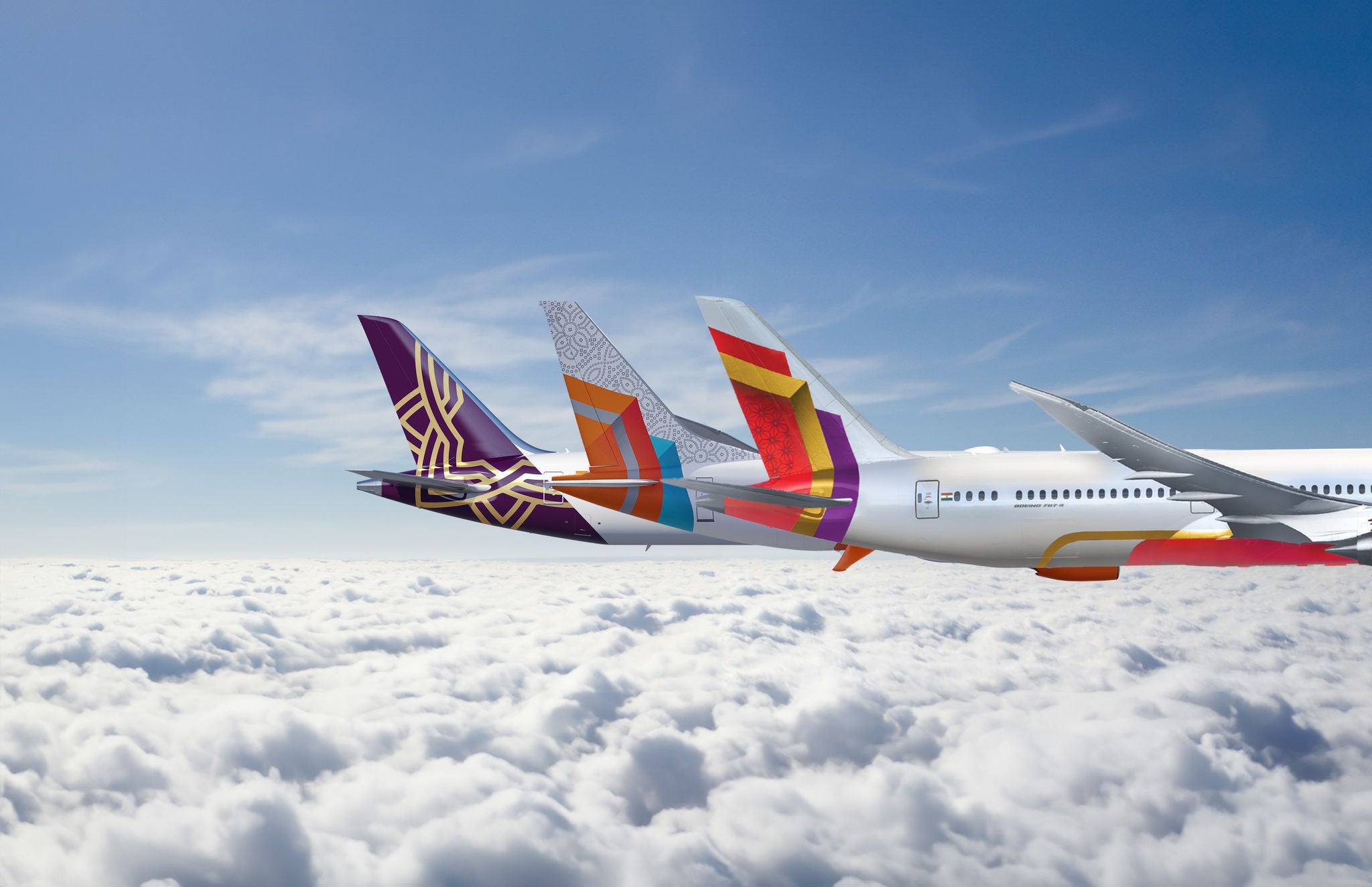
This reset unfolded alongside one of the fastest full-service airline integrations globally. Within just two years, four airlines were consolidated into two, aligning approximately 24,000 employees to a common structure. All flying crew were fitted into the new organisation and over 90% of non‑flying staff were aligned through harmonised contracts and seniority. Group level functions were created to enable resource sharing and workforce mobility across the airline.
Rather than a mechanical merger, the integration followed a merit-based fitment approach, reinforcing the performance culture that Air India set out to embed.
At the point of privatisation, Air India faced a fundamental capacity challenge. Recruitment of non‑flying staff had effectively stopped for more than 15 years, and the average age of non-flying staff stood at 54 as against a retirement age of 58, creating deep capability gaps and an ageing workforce that was unsuited to the growth the airline needed to pursue.
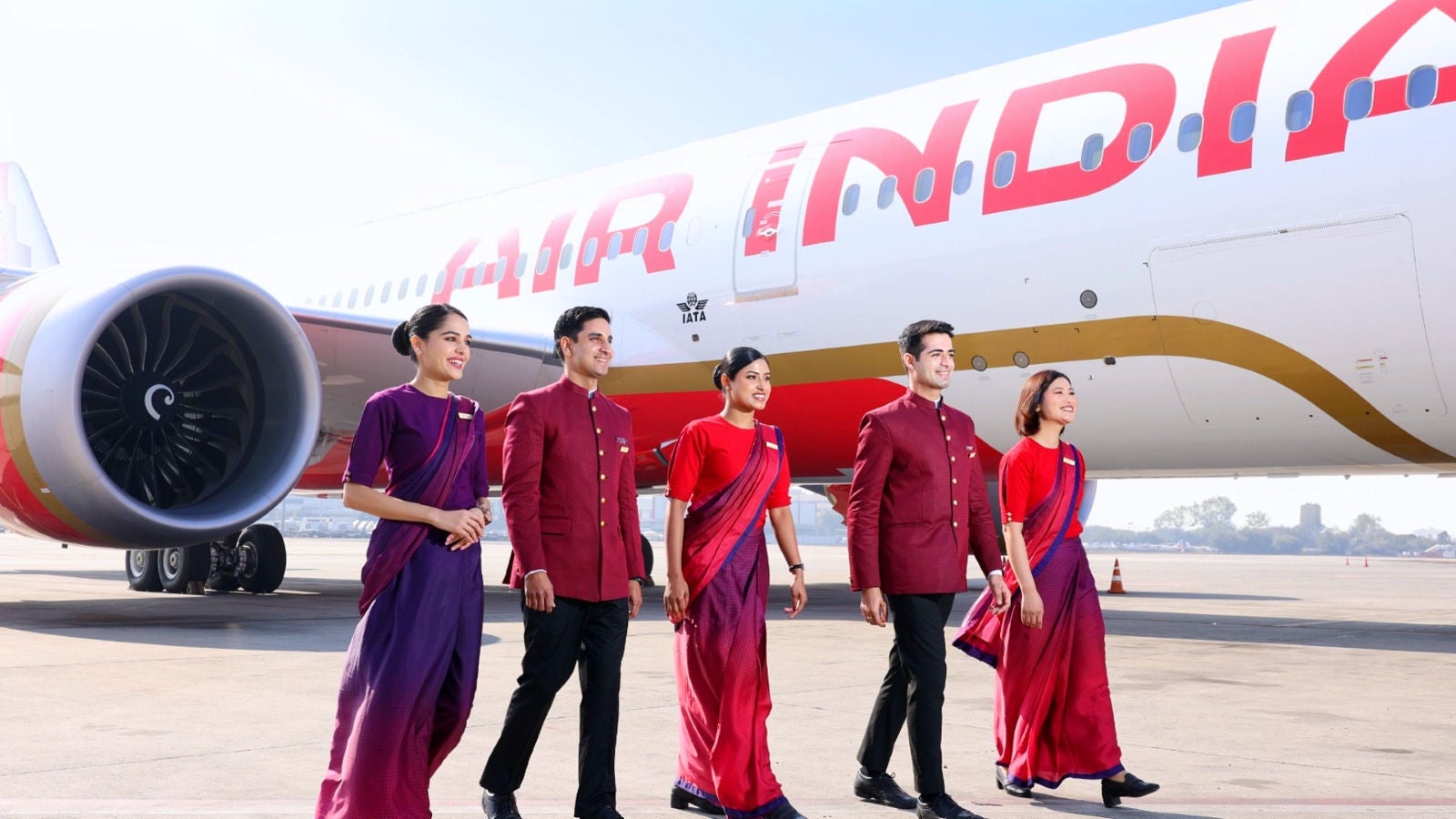
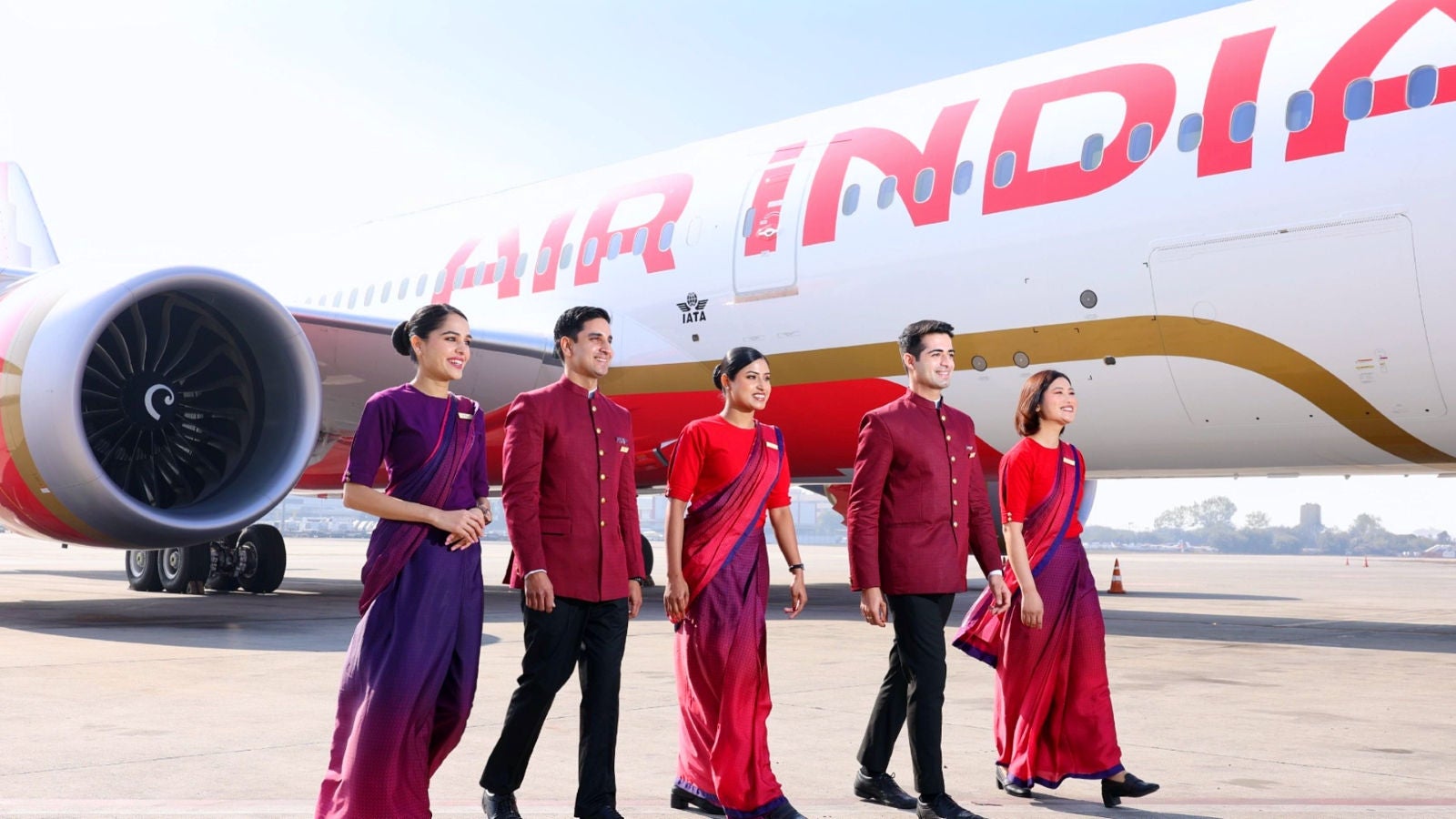
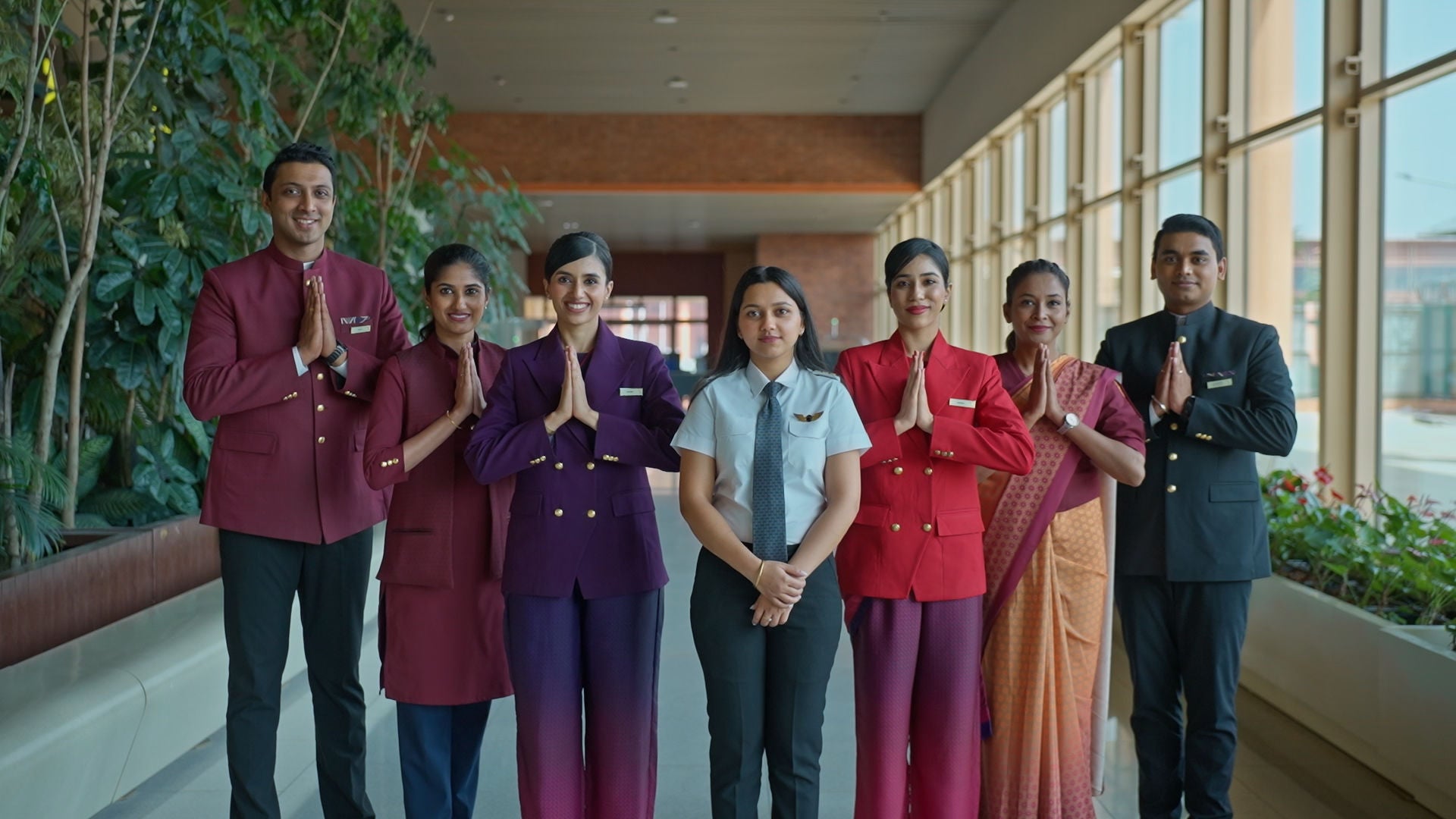
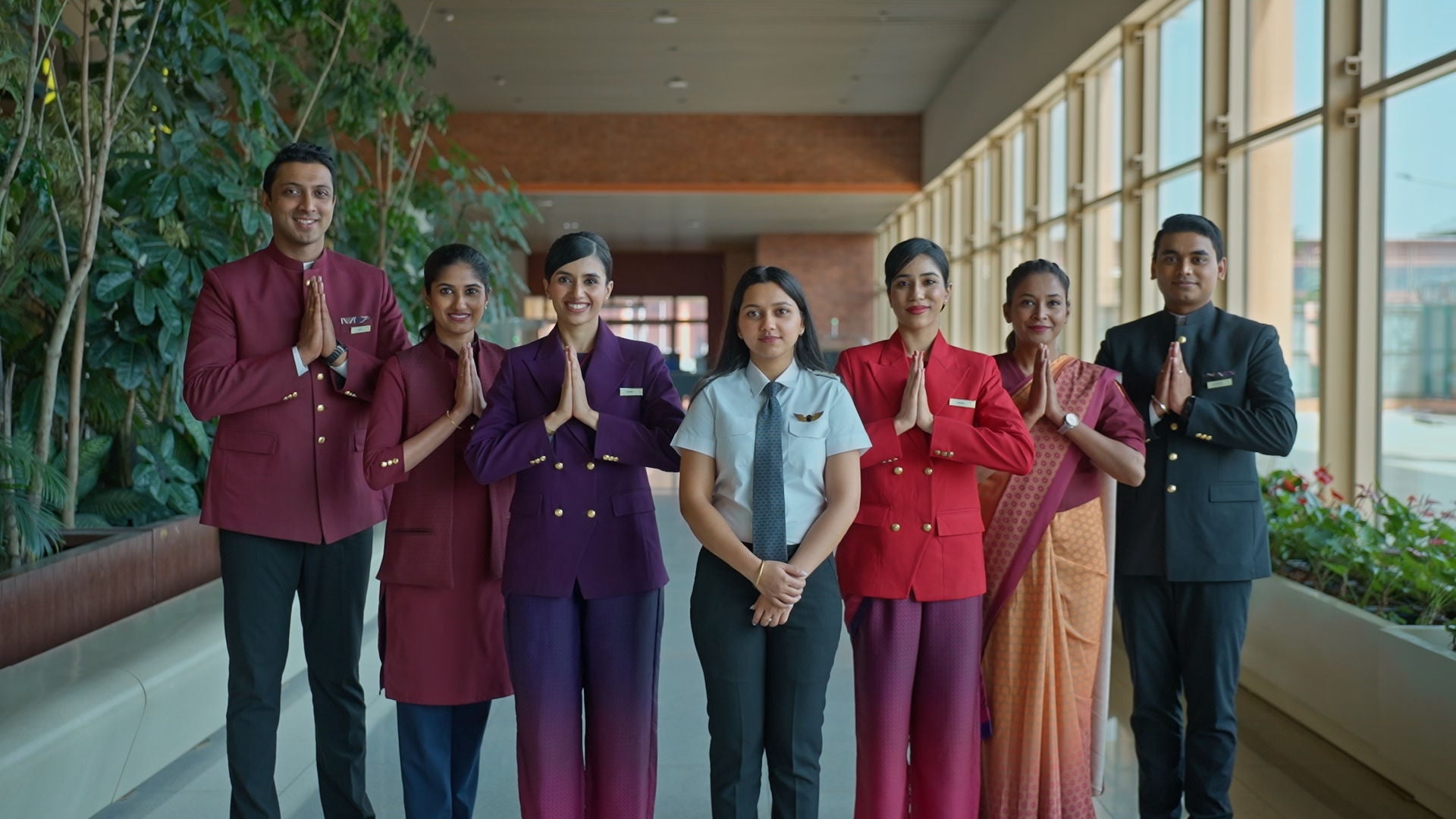
Since 2022, Air India has hired around 14,000 employees. Pilot and cabin crew strength has doubled. The average age of non‑flying staff has fallen from 54 to 36, while the average age of cabin crew has reduced from 46 to 30. Total headcount has expanded from around 11,000 to over 24,000 employees.
In the new Air India, hiring was closely tied to capability building rather than conducted in isolation. Structured recruitment pipelines were developed for critical and niche roles to ensure that expansion in fleet and network was supported by the skills required to operate safely and reliably.
Key Highlights:
Earlier
Since 2022:
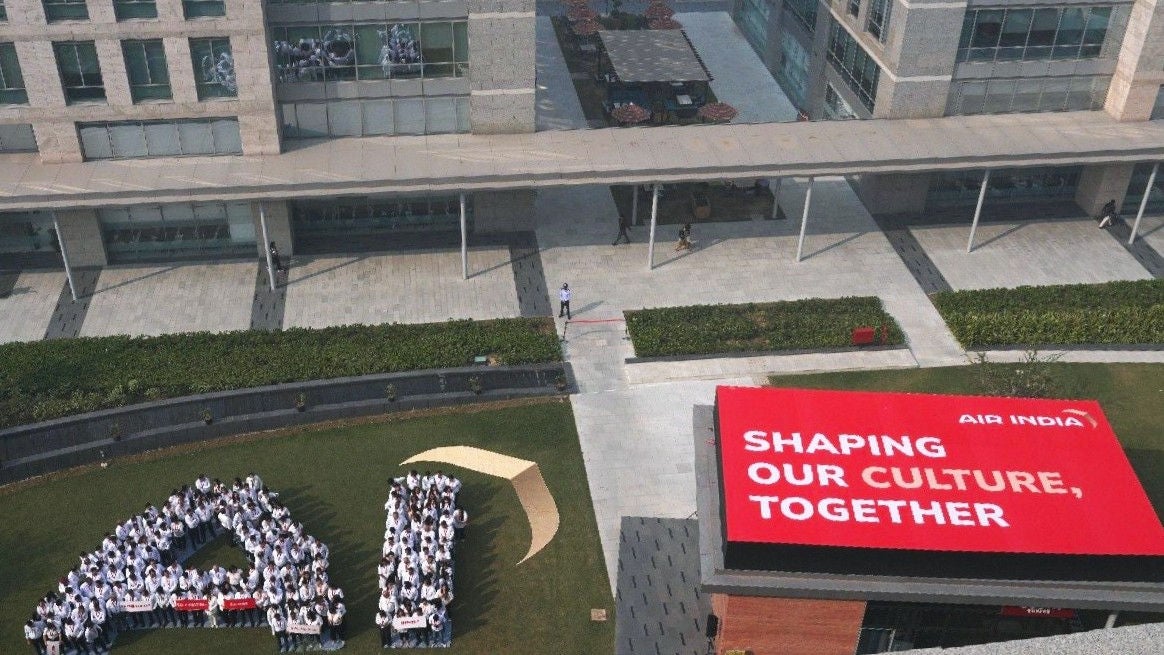
Alongside rebuilding scale, Air India has undertaken a decisive shift in how performance is defined and rewarded. A tenure driven culture that lacked role clarity and formal performance management has been replaced by a meritocratic model focused on outcomes.
Individual KPIs, balanced scorecards and redesigned compensation structures now link performance to progression. Internal job mobility has been enabled to allow talent to move across functions. A new culture credo aligned to brand values, safety and the Tata Code of Conduct reinforces behavioural expectations.
This performance framework is supported by more than 60 updated employee policies and over 20 contemporary benefits aligned with market standards. Learning and development has been scaled significantly through platforms such as Gurukul.AI, which offers more than 70,000 learning modules to employees across the organisation.
Cultural change would not have succeeded without addressing how Air India physically functioned.
For historical reasons, the airline had been spread across more than 60 locations across India. Marketing teams were based in Mumbai, operations control operated out of downtown Delhi, revenue management sat at Delhi airport, and leadership teams worked from a separate location altogether. Other Tata Group airlines operated from their own offices in different states.
This dispersion limited collaboration, slowed decision making and weakened alignment behind a common culture and performance rhythm.
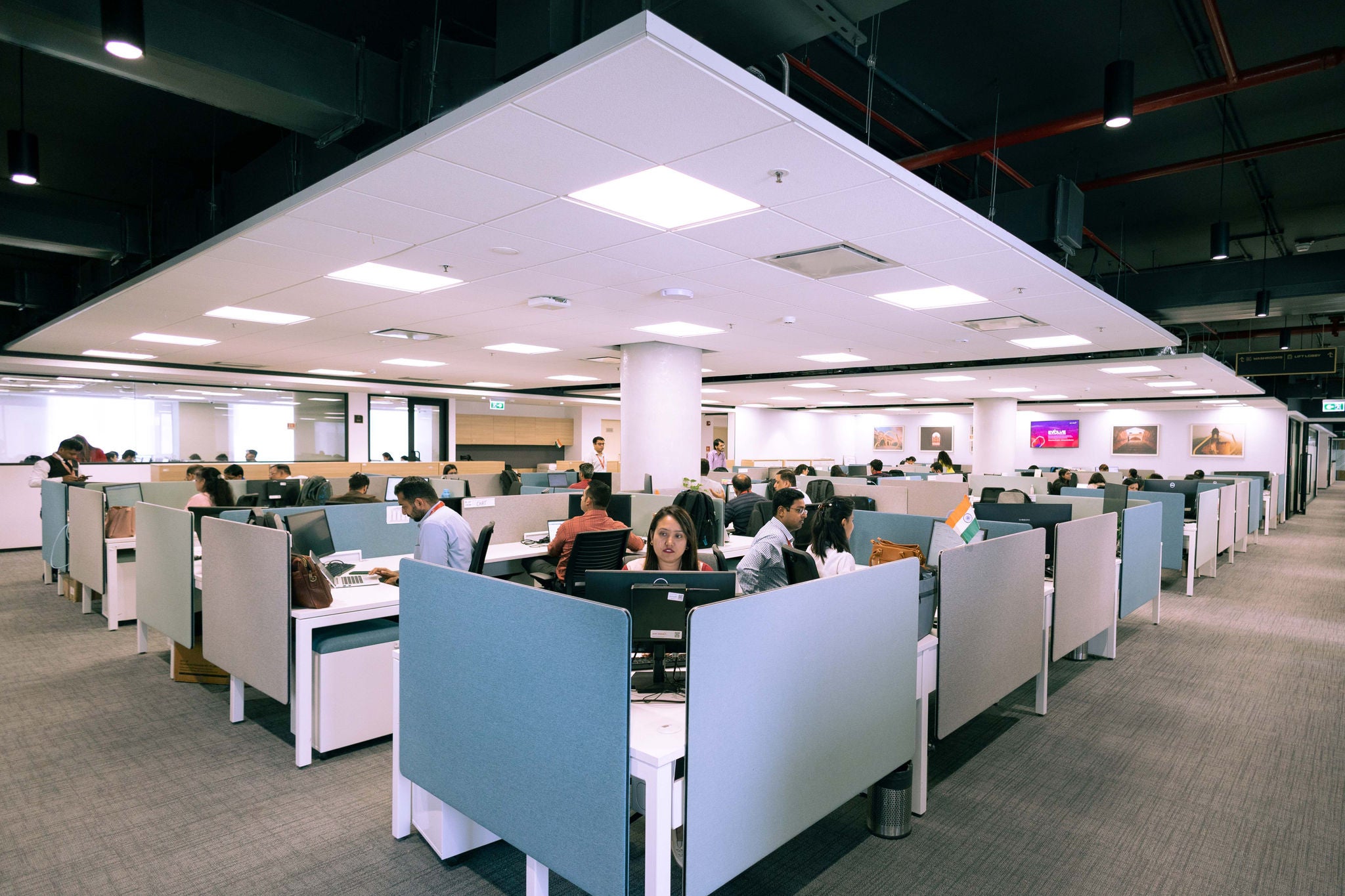
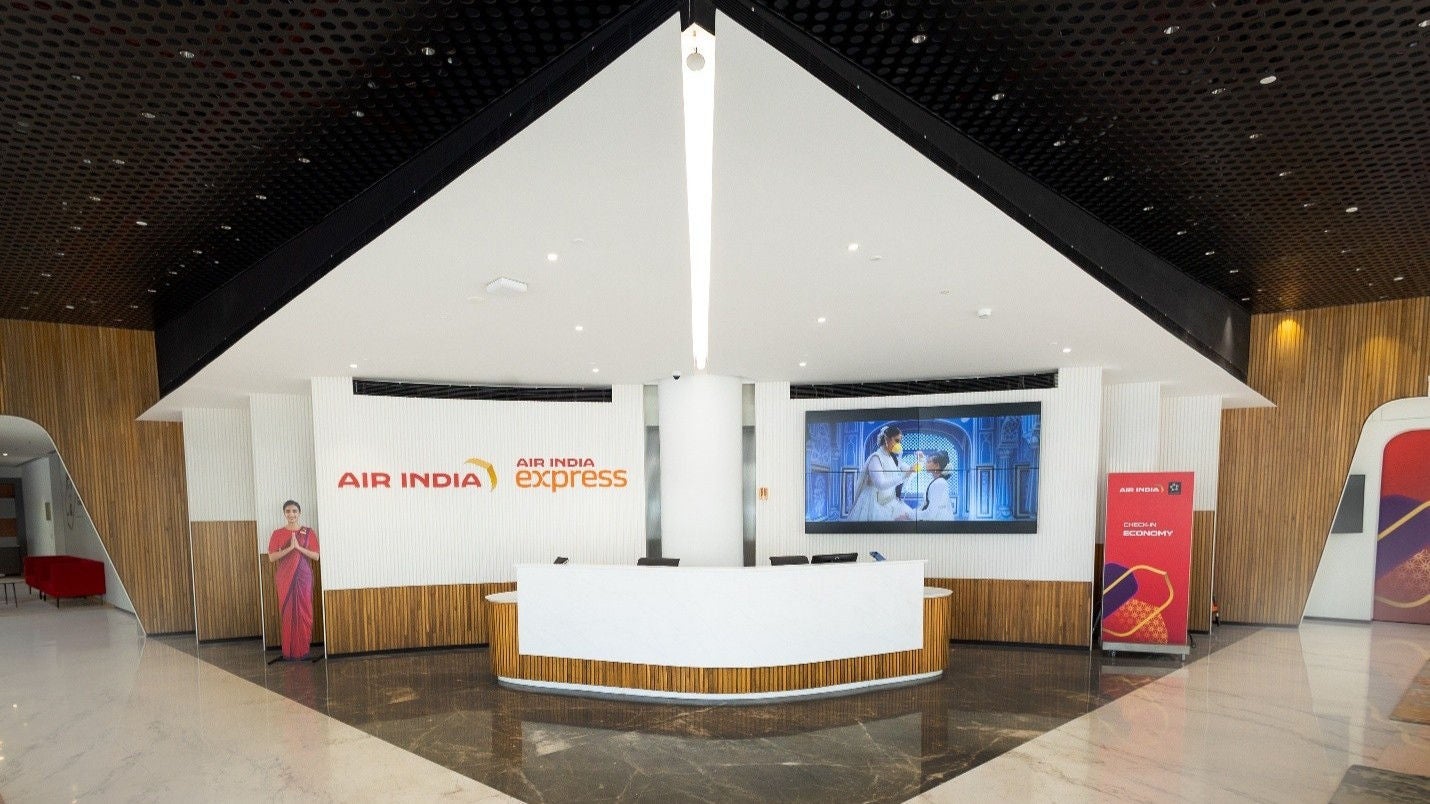
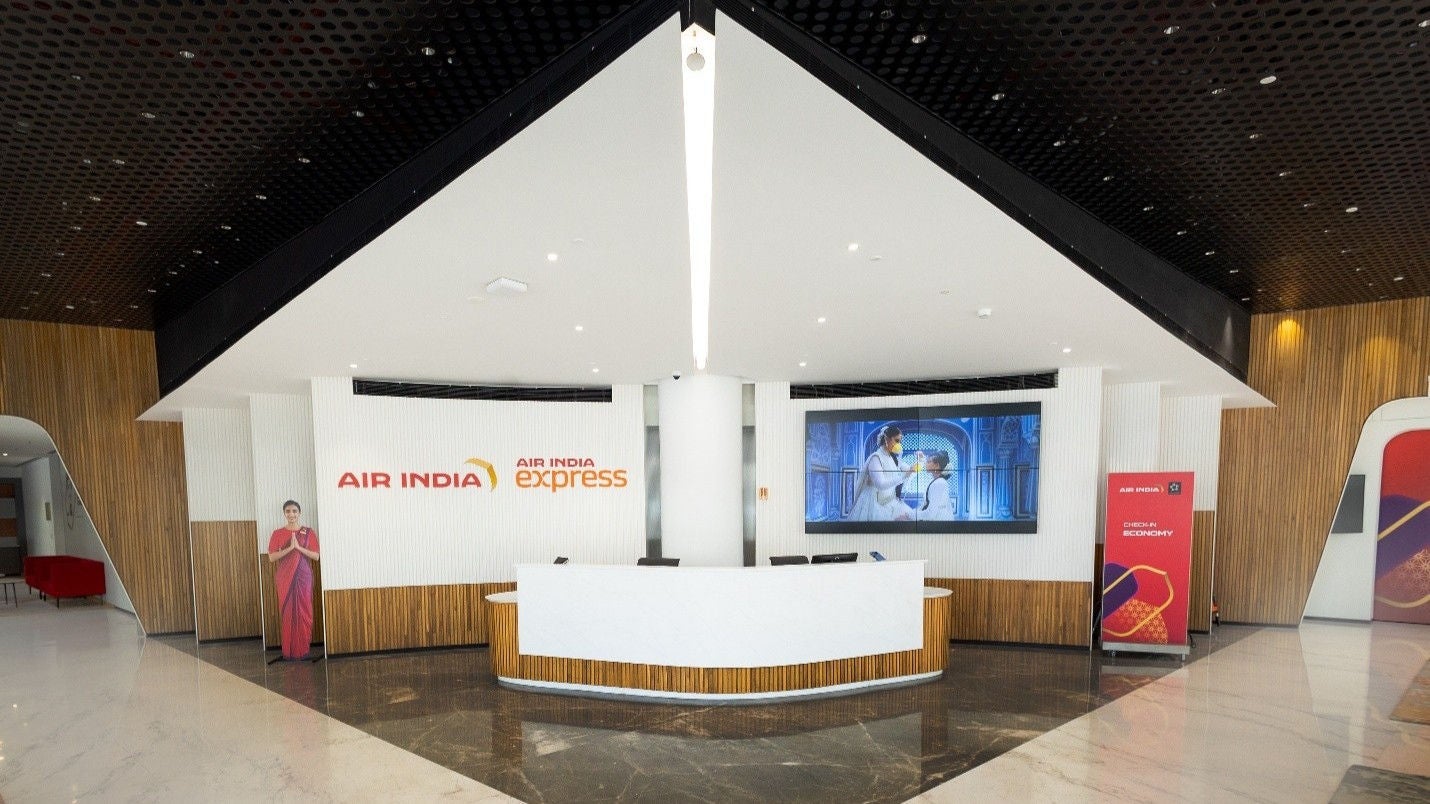
Within two years of privatisation, Air India consolidated its administrative workforce into a single headquarters campus in Gurugram. Sixty-three legacy office premises were returned to the government as teams moved into a newly built 800,000‑square‑foot facility designed for collaborative, technology enabled working.
The new headquarters provided more than efficiency. It marked a clear investment in employees and reinforced the airline’s commitment to accountability, professionalism and transparency.
The centrepiece of Air India’s people transformation is its investment in training infrastructure.
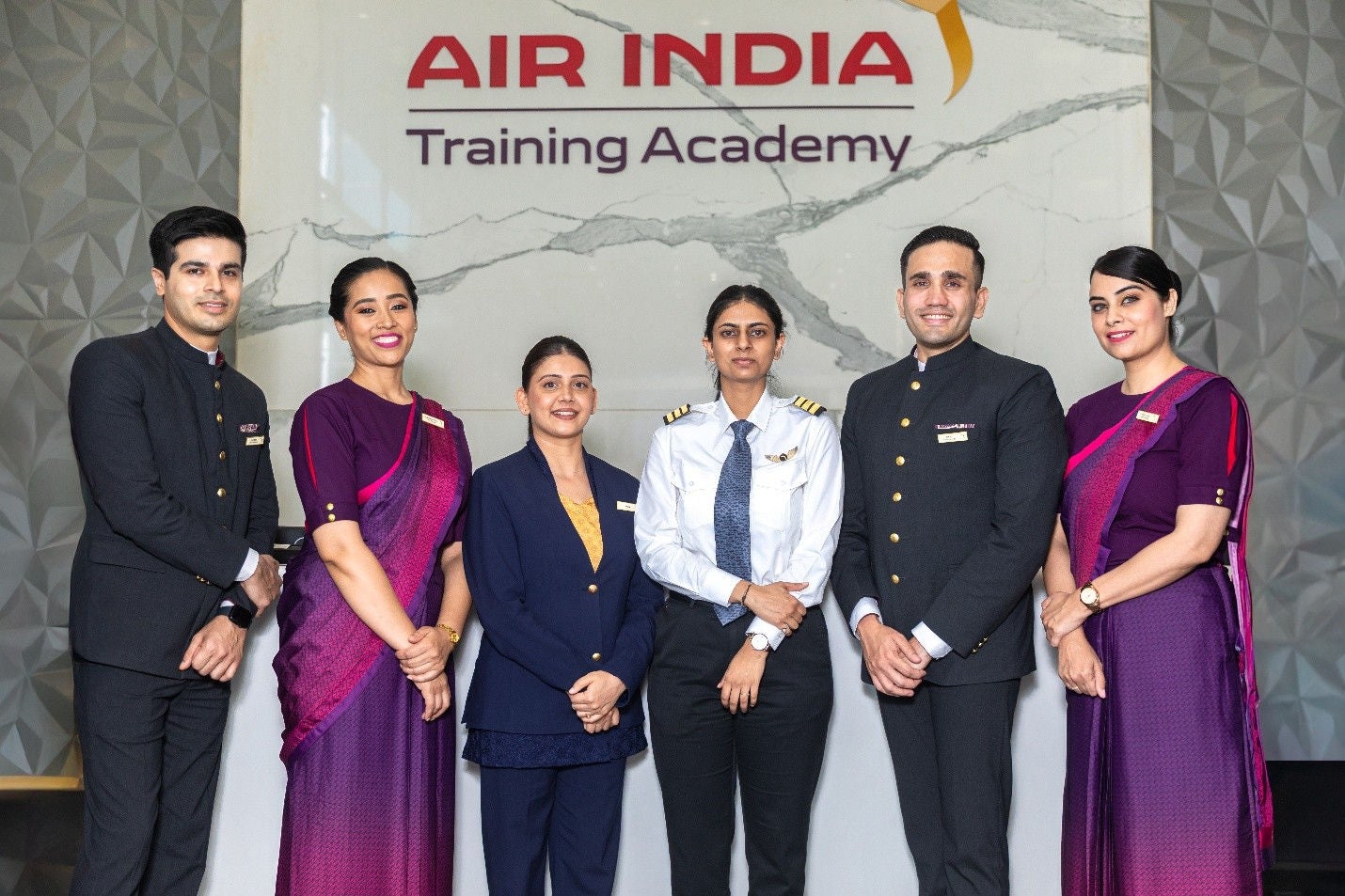
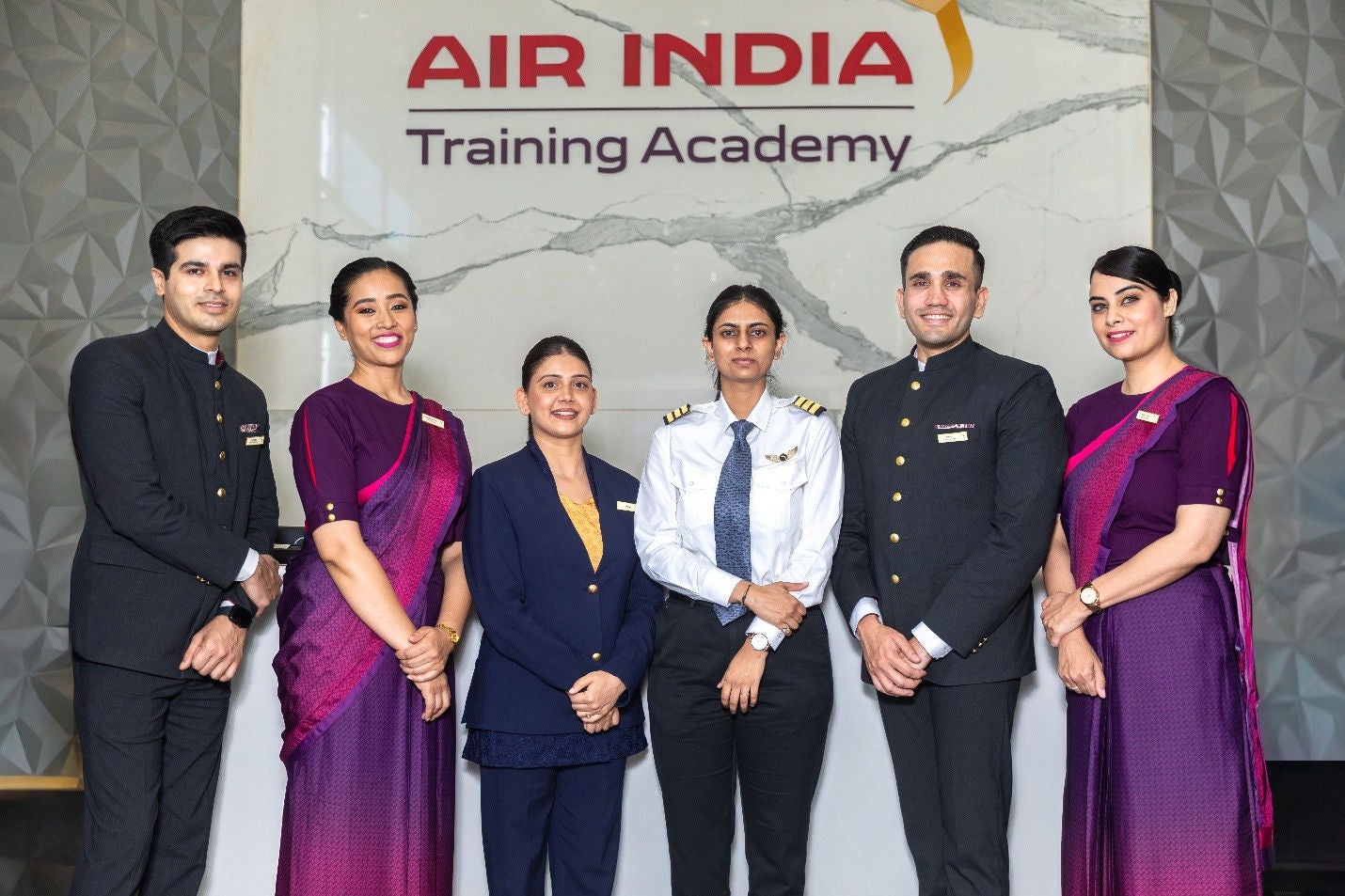
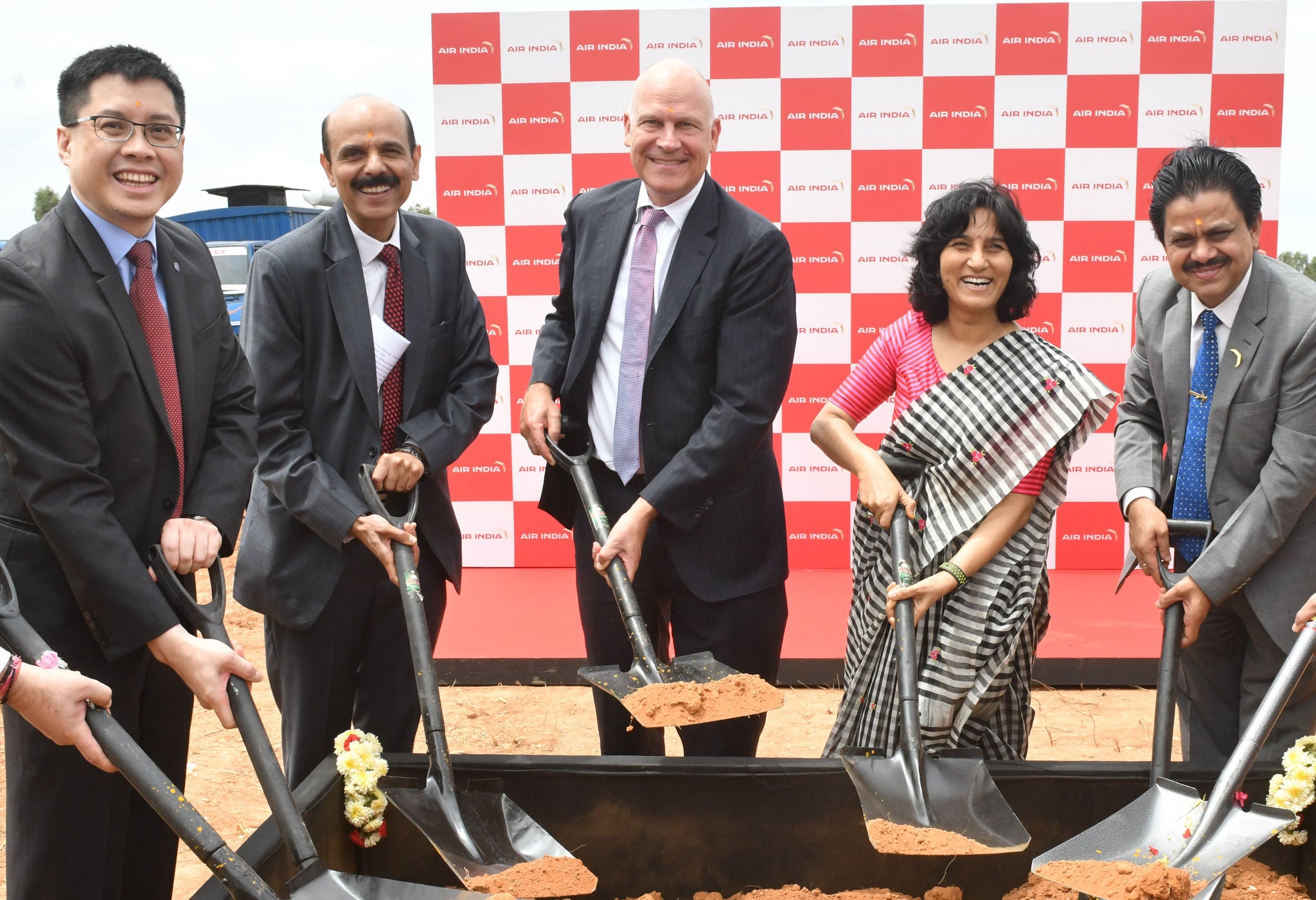
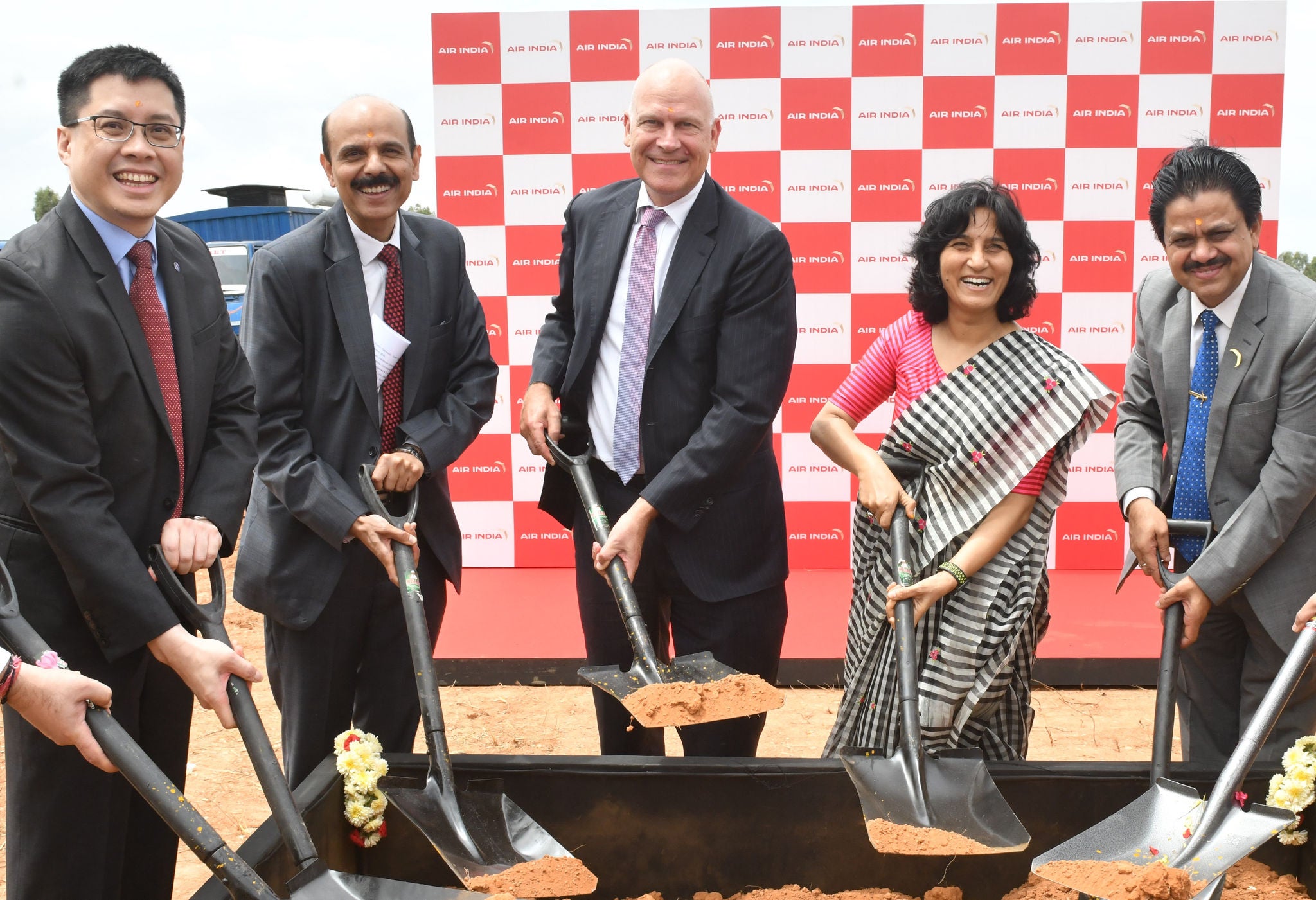
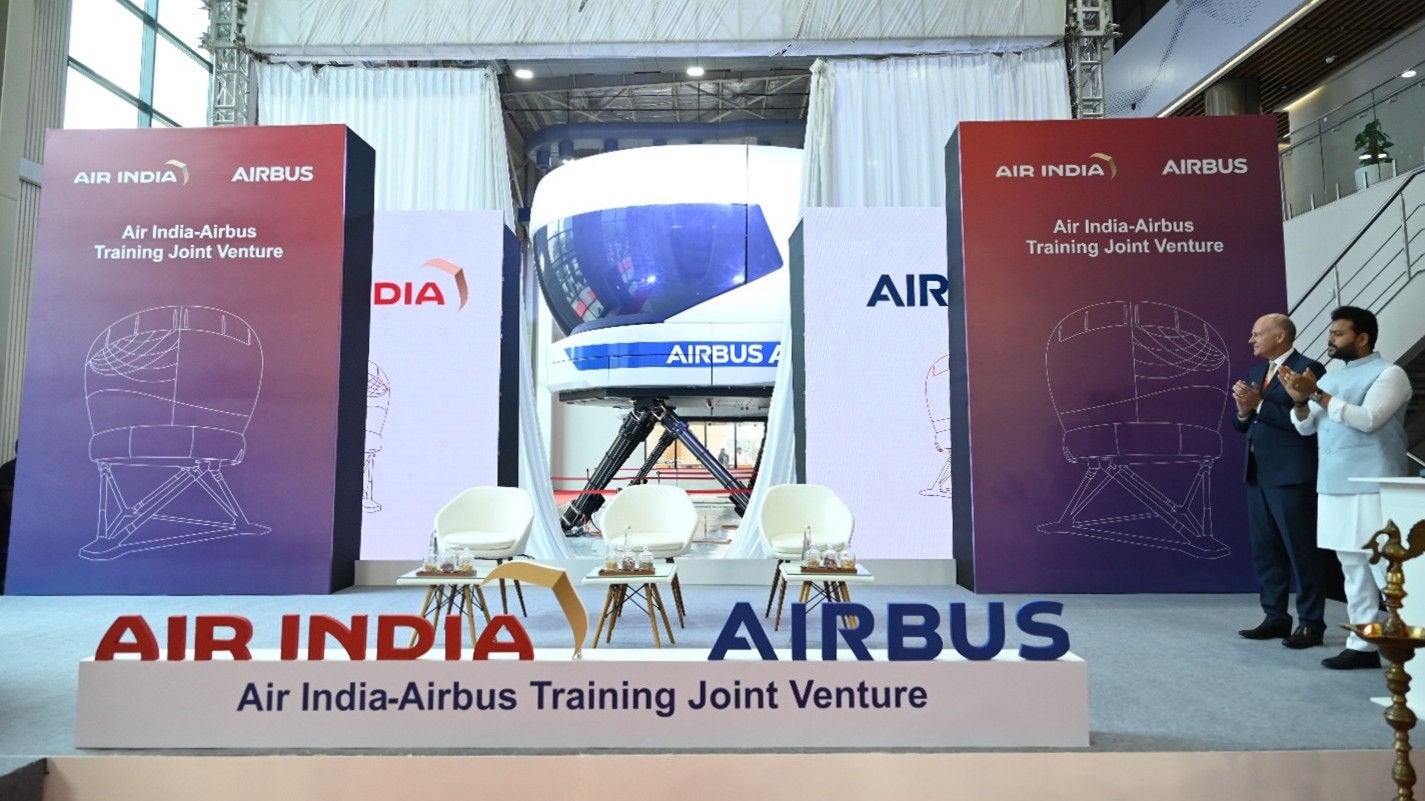
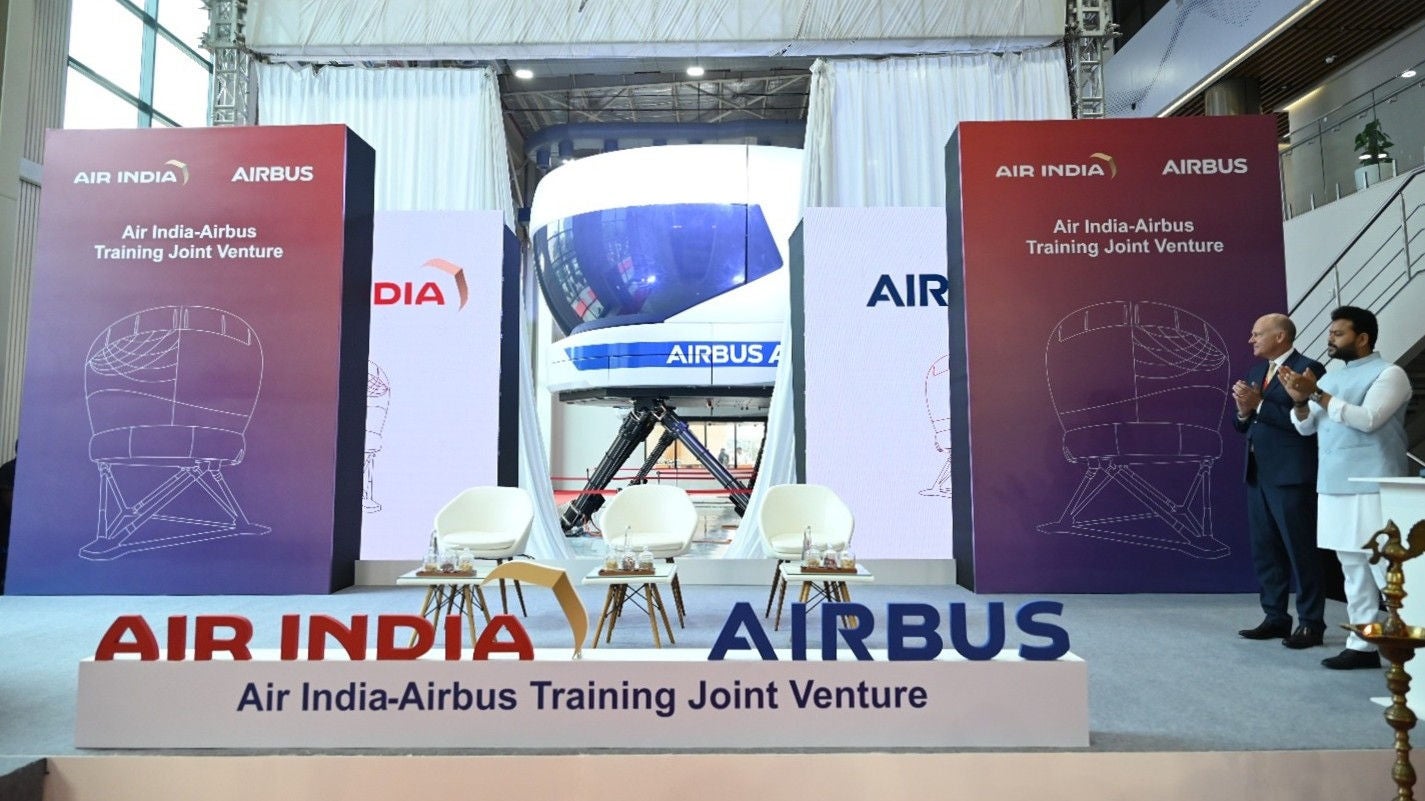
Air India set up South Asia’s largest aviation academy in Gurugram to support the airline’s scale and ambition. The academy trains more than 2,000 aviation professionals each day across pilots, cabin crew, engineers and ground staff. Simulator capacity has already doubled since privatisation and is set to increase by a further over the next few months.
Training itself has been redefined. New curriculum, updated standards, trained instructors and structured assessment have replaced older assumption-based models. This reset coincided with the induction of thousands of new employees alongside experienced legacy staff and colleagues from Vistara, creating a powerful environment for cultural and capability change.
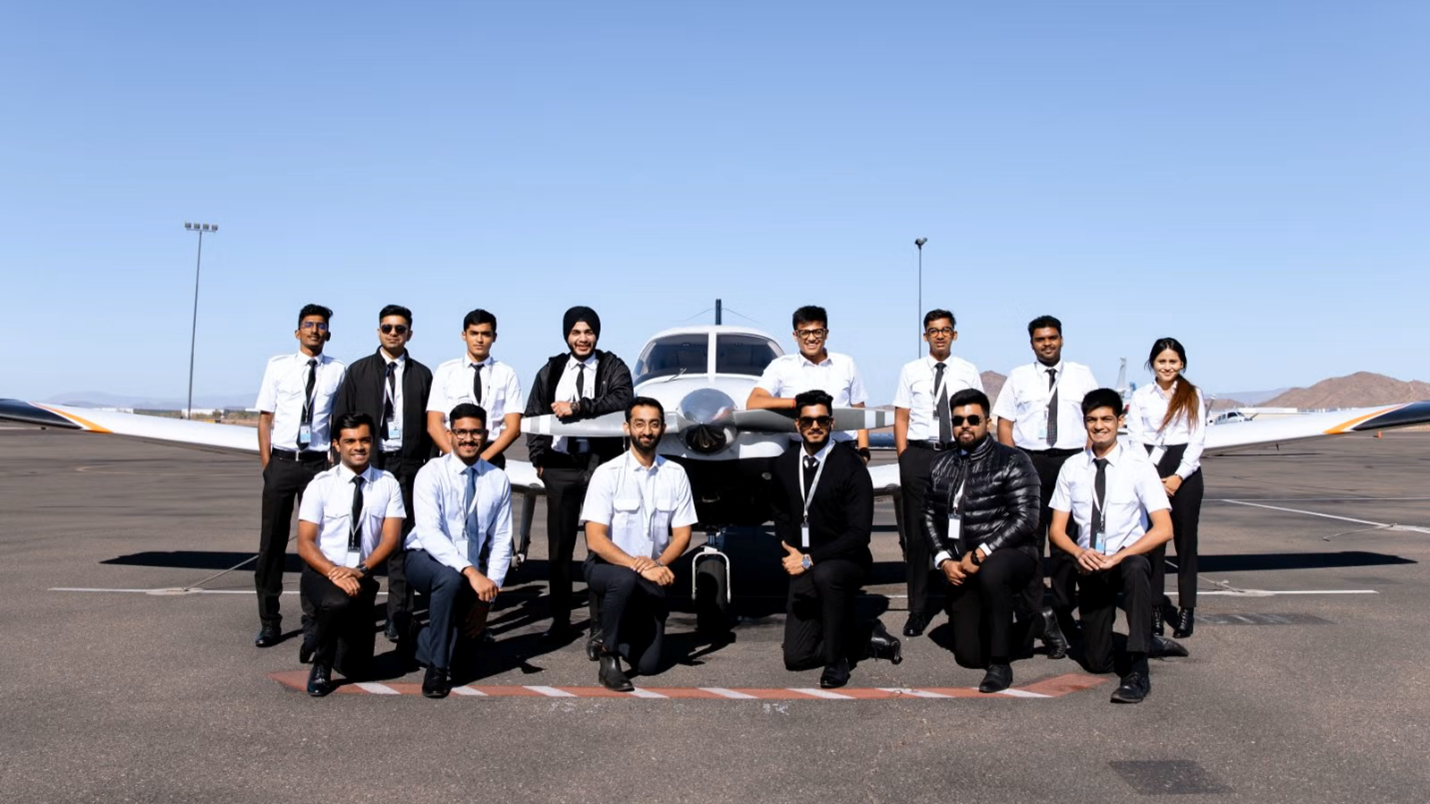
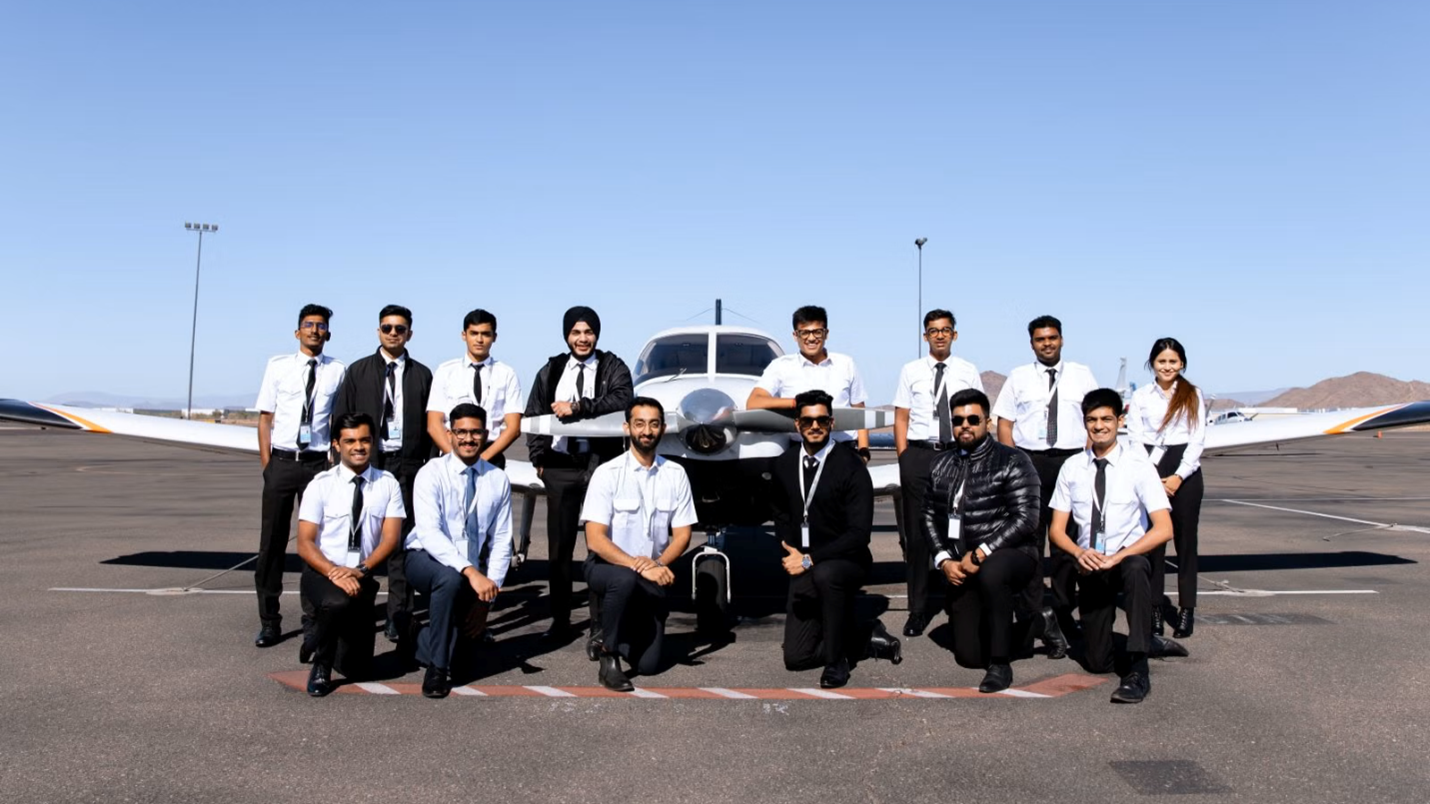
Air India’s investment into setting up a larger aviation ecosystem for the country extends beyond the academy. Air India is setting up an in-house ab initio flying school to secure the long-term supply and quality of pilots. A 12-bay MRO facility is under development alongside the in-housing of line maintenance. An aircraft maintenance engineer training school is being established to support long term technical self-reliance.
Taken together, the elements of Air India’s people transformation reflect an integrated and deliberate strategy. Workforce scale has been rebuilt through hiring. Integration has aligned employees to a common structure. Meritocracy and performance discipline have replaced tenure. Investment in infrastructure has allowed culture and capability to shift quickly and visibly.
The organisation that has emerged is markedly different from the one inherited at privatisation. It is larger, younger, more diverse and supported by systems and facilities designed for growth.
Air India’s revival will continue to be assessed through aircraft deliveries, network performance and customer experience. Its durability, however, depends on something less visible and far more difficult to rebuild: a workforce equipped and empowered to carry the transformation forward.
That foundation is now in place.