


















Your Safety, Always Our Priority
Uncompromising Safety
At Air India, safety isn’t just a protocol—it’s our unwavering commitment. From the cockpit to cabin, every journey is guided by global aviation standards, comprehensive training, and advanced technology. As an organisation we are committed to safety and Our Safety Management System conforms to International Civil Aviation Organisation (ICAO) standards and follows strict regulations of Directorate General of Civil Aviation (DGCA) for every flight.

Layers of Safety
100+ Technical Checks
are conducted daily by our certified engineers and pilots to clear every Air India flight for takeoff.
3 Levels Of Maintenance
Our aircraft undergo three types of scheduled maintenance — before every flight, daily, and at scheduled intervals — to keep every journey safe, smooth and reliable.
Your Safety, Always Our Priority
Uncompromising Safety
At Air India, safety isn’t just a protocol—it’s our unwavering commitment. From the cockpit to cabin, every journey is guided by global aviation standards, comprehensive training, and advanced technology. As an organisation we are committed to safety and Our Safety Management System conforms to International Civil Aviation Organisation (ICAO) standards and follows strict regulations of Directorate General of Civil Aviation (DGCA) for every flight.
Layers of Safety
100+ Technical Checks
are conducted daily by our certified engineers and pilots to clear every Air India flight for takeoff.
3 Levels Of Maintenance
Our aircraft undergo three types of scheduled maintenance — before every flight, daily, and at scheduled intervals — to keep every journey safe, smooth and reliable.
Watch Safety in Action
Rigorous training, precise procedures, and unwavering commitment keep you safe in the skies. From engineering excellence to crew and pilot training, safety guides every Air India flight.

![]() Pilots
Pilots

![]() Cabin Crew
Cabin Crew
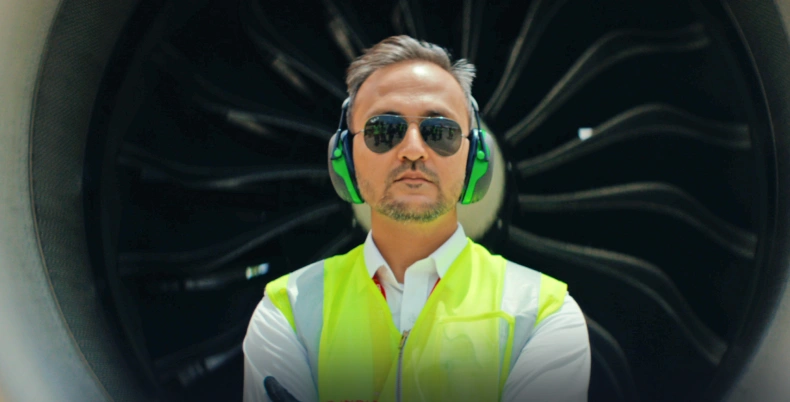
![]() Engineers
Engineers


Where Skill Meets Safety
At Air India, safety starts long before take-off. Our pilots, cabin crew, engineers, and ground teams undergo rigorous, continuous training—covering everything from emergency procedures to the latest technology and global best practices. Because when it comes to your safety, being prepared isn’t a one-time effort—it’s a way of life.
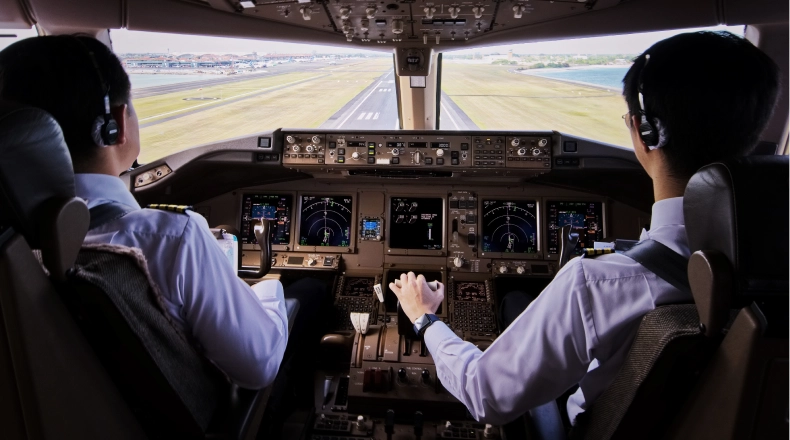
Pilots
Our pilots go through a rigorous training and refresher course every year to stay sharp and ready. Every 6 months, they practice emergency situations using advanced flight simulators. They also train in teamwork and communication—so they can respond calmly and confidently, even under pressure.

Cabin Crew
Our cabin crew are trained far beyond service—they’re certified safety professionals. Every year, they complete mandatory refresher training. For each aircraft type, they undergo intensive, hands-on sessions. Their training covers everything from handling fires and emergency landings to water ditching, life raft operations, door safety, and crowd control—so they’re fully prepared to take charge in any situation.
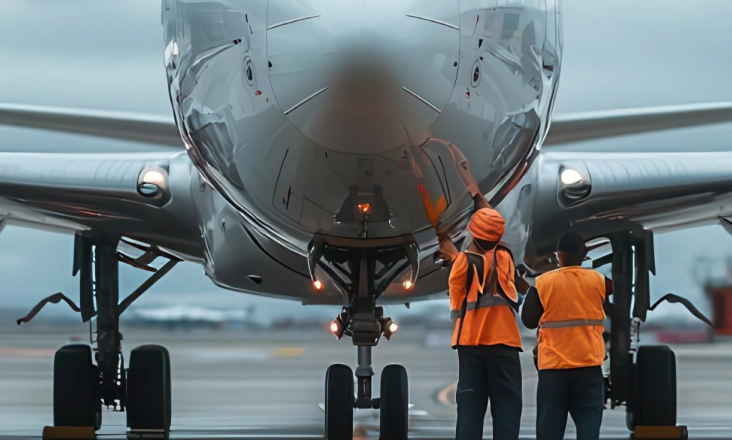
Engineering
Our engineers and technicians are trained to meet the highest safety standards. Engineers go through refresher courses every 2 years to stay updated with the latest practices. Technicians also take regular skill tests to ensure every aircraft they inspect, or repair is in perfect flying condition.
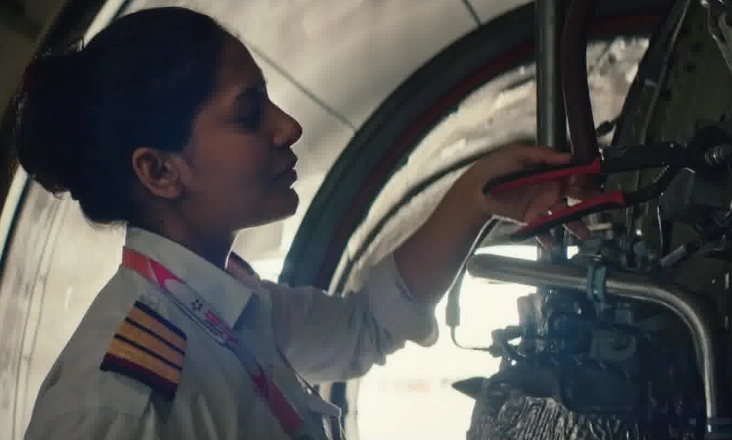
Safety Team
Working quietly behind the scenes, our safety team sets the standards that keep every flight secure. From regular audits to real-time monitoring, they ensure our operations meet—and often exceed—global safety norms.
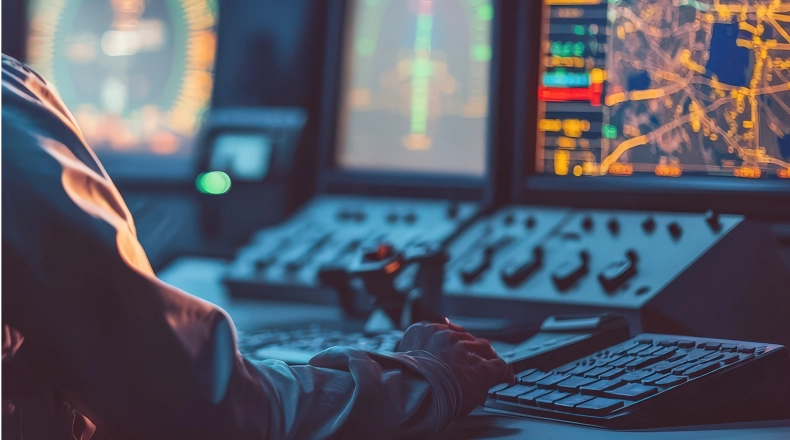
Integrated Operations Control Centre (IOCC)
Air India’s state-of-the-art Integrated Operations Control Centre works around the clock to keep every flight running safely and smoothly. From tracking weather and aircraft movement to coordinating crews and responding to any disruptions, the IOCC is where real-time decisions are made—ensuring safe, seamless journeys for our guests.
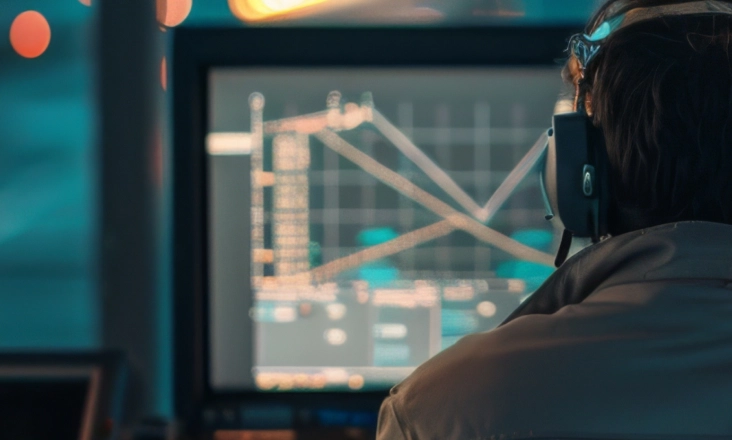
Emergency Command Centre
In the rare event of an emergency, our dedicated Command Centre is activated to take charge. Manned by senior experts across departments, it ensures quick, coordinated action—prioritising passenger safety, communication, and support at every step.
Pre-Flight Checks
Behind every flight is a team of experts who inspect, service, and monitor the aircraft to the highest standard—ensuring everything runs just as it should.
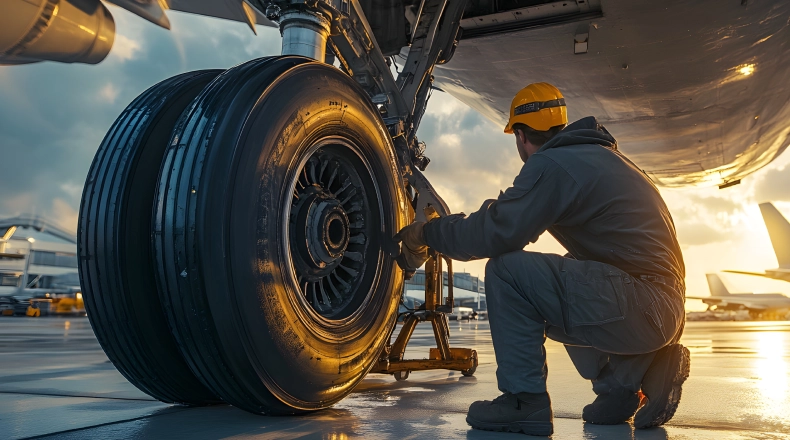
![]() Engineering
Engineering
- A team comprising an engineer and a technician inspects the aircraft.
- Items are checked according to the pre-flight checklist as prescribed by DGCA & Original Equipment Manufacturer (OEM).
- Key checks include engines, cabin readiness, doors and emergency exits, aircraft frame, and other critical components.
- In case of any issue, the standard operating procedures (SOPs) are immediately followed.
- The engineer signs off and issues a Certificate of Release to Service.
- The aircraft is then handed over to the pilot.
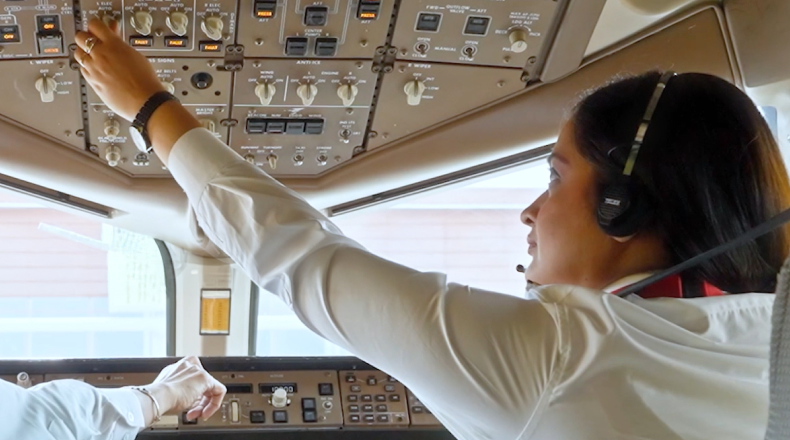
![]() Pilots
Pilots
- Pilots review all flight documents, cargo, aircraft technical status and weather conditions to plan the route and prepare for contingencies.
- Defined checklist is cross-verified between operating pilots.
- Pilots undergo a mandatory pre-flight medical check for alcohol consumption, with a strict zero-tolerance policy in place
- Pilots conduct a walkaround inspection of the aircraft exterior.
- A cockpit serviceability check is carried out, and any concerns are addressed as per SOPs.
- All flight instruments and systems are configured and prepared for departure.
- The pilot-in-command formally signs off and accepts the aircraft as safe to fly.
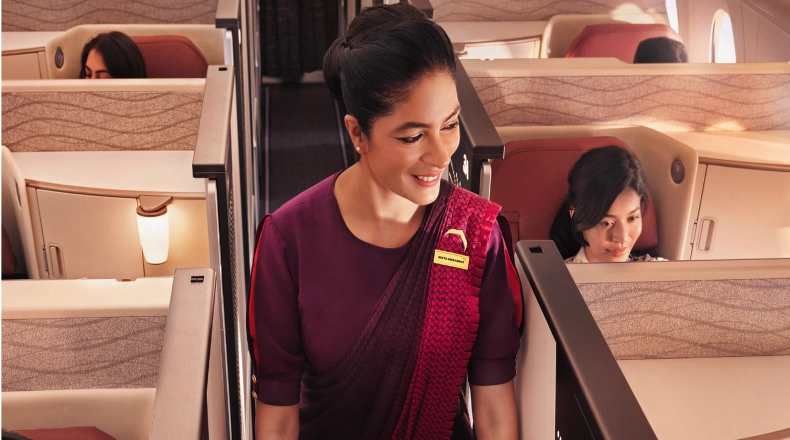
![]() Cabin Crew
Cabin Crew
- A mandatory pre-flight briefing is conducted with the entire crew to align on safety procedures.
- The cabin crew follows a detailed pre-flight checklist as outlined in the SOPs.
- Cabin crew undergo a mandatory pre-flight medical check for alcohol consumption, with a strict zero-tolerance policy in place
- They check all emergency equipment and emergency lights at their assigned stations.
- Galley readiness is confirmed.
- Exits and aisles are inspected for any obstructions or hazards.
- Crew coordinates with the pilots on any safety-related concerns or procedures.
- During boarding, passengers are monitored for safety or special attention needs.
- A safety briefing is delivered, and the crew ensures the cabin is secure for take-off.
Multiple Checks. One Goal: Your Safety
Safety isn’t a one-time check—it’s a series of them. Our aircraft go through multiple layers of inspection - from daily walkarounds to detailed technical checks. Because when it comes to your safety, there’s no such thing as too many checks.

![]() Daily Safety Oversight & Data Monitoring
Daily Safety Oversight & Data Monitoring
- Daily safety audits are conducted by our Safety and Engineering teams, in line with DGCA guidelines.
- 100% Flight data is monitored to detect any irregularities.
- All findings are reviewed by the Flight Safety team, and corrective measures are implemented promptly if required.

![]() Regular Maintenance
Regular Maintenance
- Conducted every 24–48 hours at the airport.
- Includes fluid level checks, visual inspections, brake and tyre condition, lights, and emergency systems, as per the SOP.
- The team ensures the aircraft is fit for flying.
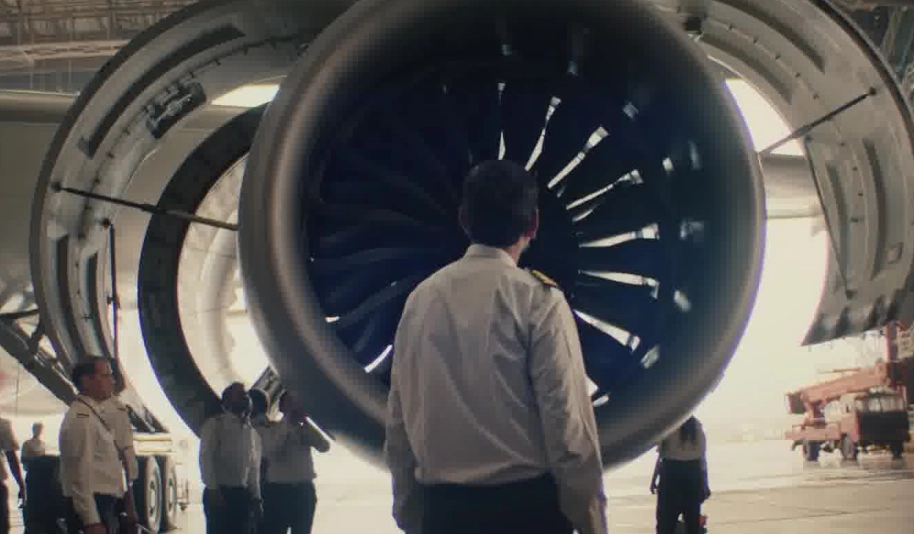
![]() Scheduled Maintenance
Scheduled Maintenance
- Performed at set intervals - monthly, or after completing a defined number of flight hours/cycles at the Maintenance, Repair, and Overhaul centre (MRO).
- Involves deep inspections, structural checks, engine servicing, system overhauls.
- Carried out at specialised maintenance bases by certified engineers.
Ensuring The Next Level Of Safety And Experience
At Air India, we’re building more than just flights—we’re committed to delivering world-class safety, training, and operational excellence. Through strategic investments, we are creating a robust ecosystem that supports every aspect of aviation. These efforts are continuous and evolving—strengthening our operations today while laying a strong foundation for the future of Indian aviation.
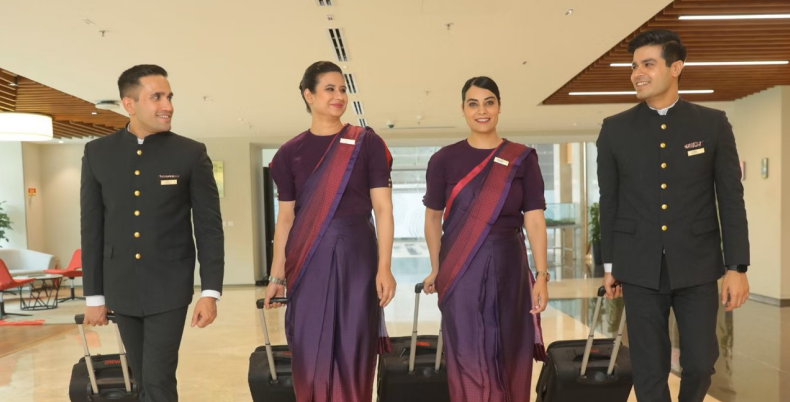
![]() Air India Training Academy, Gurugram
Air India Training Academy, Gurugram
Spread across 6,00,000 sq. ft., this is South Asia’s largest aviation training academy. Equipped with state-of-the-art simulators and classrooms, it’s where future-ready pilots, cabin crew, engineers, and security teams are trained to global standards.

![]() Flying Training Organisation (FTO), Amravati
Flying Training Organisation (FTO), Amravati
India’s first airline-operated pilot school, this facility is designed to graduate 180 commercial pilots every year—strengthening Air India’s own talent pool and contributing to India’s growing aviation needs.
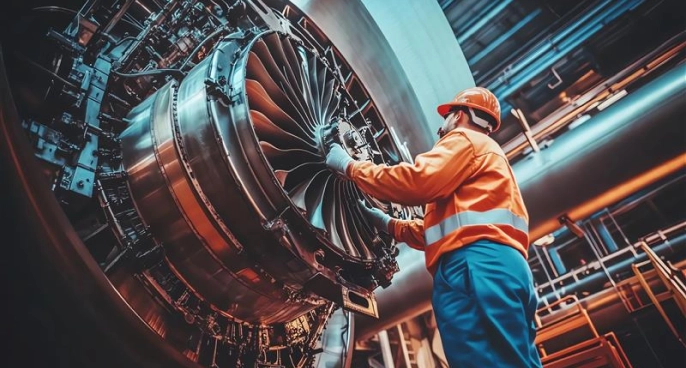
![]() MRO Facility, Bengaluru (Coming 2026)
MRO Facility, Bengaluru (Coming 2026)
A cutting-edge Maintenance, Repair, and Overhaul centre with 11 bays and a mega hangar, built to handle both wide-body and narrow-body aircraft. This facility will bring efficiency, scale, and the highest standards of maintenance under one roof.
Passenger Safety Onboard
Your safety is our highest priority—and it's a shared responsibility. At Air India, we take every measure to ensure a safe and secure journey, but your awareness and cooperation play an important role too. Here’s how you can help ensure your own safety while flying:
Passenger Safety Onboard
Your safety is our highest priority—and it's a shared responsibility. At Air India, we take every measure to ensure a safe and secure journey, but your awareness and cooperation play an important role too. Here’s how you can help ensure your own safety while flying:
Pay close attention to the safety briefing and read the safety instruction card in your seat pocket.
Locate the nearest emergency exits and count the rows between your seat and the exit.
Keep your seatbelt fastened whenever you’re seated, even when the seatbelt sign is off.
Stow your carry-on baggage properly in overhead bins or under the seat in front of you.
Avoid blocking aisles or exits with personal belongings.
Follow all crew instructions promptly, especially during take-off, turbulence, and landing.
Report any suspicious or unusual activity to the cabin crew immediately.
Do not tamper with safety equipment or open emergency exits unless instructed to do so in an actual emergency.
FAQs
The 4 key pillars of flight safety are:
- Safety Policy – A strong commitment from leadership to put safety first
- Safety Risk Management – Identifying and managing potential risks
- Safety Assurance – Monitoring and improving safety performance
- Safety Promotion – Building a safety-first culture through training and awareness
These pillars help us maintain the highest standards of safety across operations.
A Safety Management System is a structured approach to managing safety risks in aviation. It involves hazard identification, risk analysis, performance monitoring, and a strong reporting culture to ensure continual improvement.
Your safety starts with simple steps:
- Always follow cabin crew instructions.
- Keep your seatbelt fastened while seated.
- Pay attention to the safety briefing and locate your nearest exit.
- Store baggage properly and avoid blocking aisles.
- Report anything unusual to the crew.
Passenger safety includes all the measures taken to protect you before, during, and after a flight. This includes trained crew, safety equipment, emergency procedures, and clear communication—everything designed to ensure a safe journey from take-off to landing.
Safety assessments are regular checks and audits conducted by airlines and aviation authorities to evaluate how well safety procedures are being followed. These help identify potential risks, improve processes, and keep flight operations compliant with global
At Air India, every flight undergoes multiple layers of safety checks—including:
- Pre-flight checks on airframe, cabin systems, engines, tyres, and doors.
- Turnaround checks between flights to ensure readiness.
- Routine inspections every few hundred flight hours.
All checks are carried out by certified engineers, technicians, and flight crew to ensure you fly safe, every time.
* Some visuals on this page are representative and used for illustrative purposes only.