From engineering checks and simulator training to pre-flight briefings and real-time operational monitoring, discover how multiple teams work together to make every Air India journey safe and reliable
In modern aviation, safety is not confined to a single department or checklist. It is a carefully orchestrated effort involving pilots, cabin crew, engineers, safety specialists and operations teams, all working towards one goal which is ensuring every flight departs and arrives safely. For most travellers, a flight begins with a greeting at the aircraft door or an announcement from the cockpit. What often goes unnoticed is the extensive preparation that takes place long before boarding begins.
Long before take-off, an aircraft undergoes a series of rigorous inspections. Air India conducts over 100 technical checks every day, covering aircraft systems, engines, emergency equipment and cabin readiness. Certified engineers carry out these inspections before issuing a Certificate of Release to Service, allowing the aircraft to be handed over to the flight crew.
Pilots then begin their own preparations, reviewing weather reports, aircraft status, operational documents and cargo information. They assess possible contingencies, perform external inspections and carefully verify systems and procedures before accepting the aircraft as safe to fly.
Then comes training which is equally important. Throughout their careers, pilots undergo training and simulator sessions every six months, where they practice handling emergency situations and rare operational scenarios. This combined with mandatory pre-flight alcohol screening and a strict zero-tolerance policy, these measures help uphold the highest safety standards.
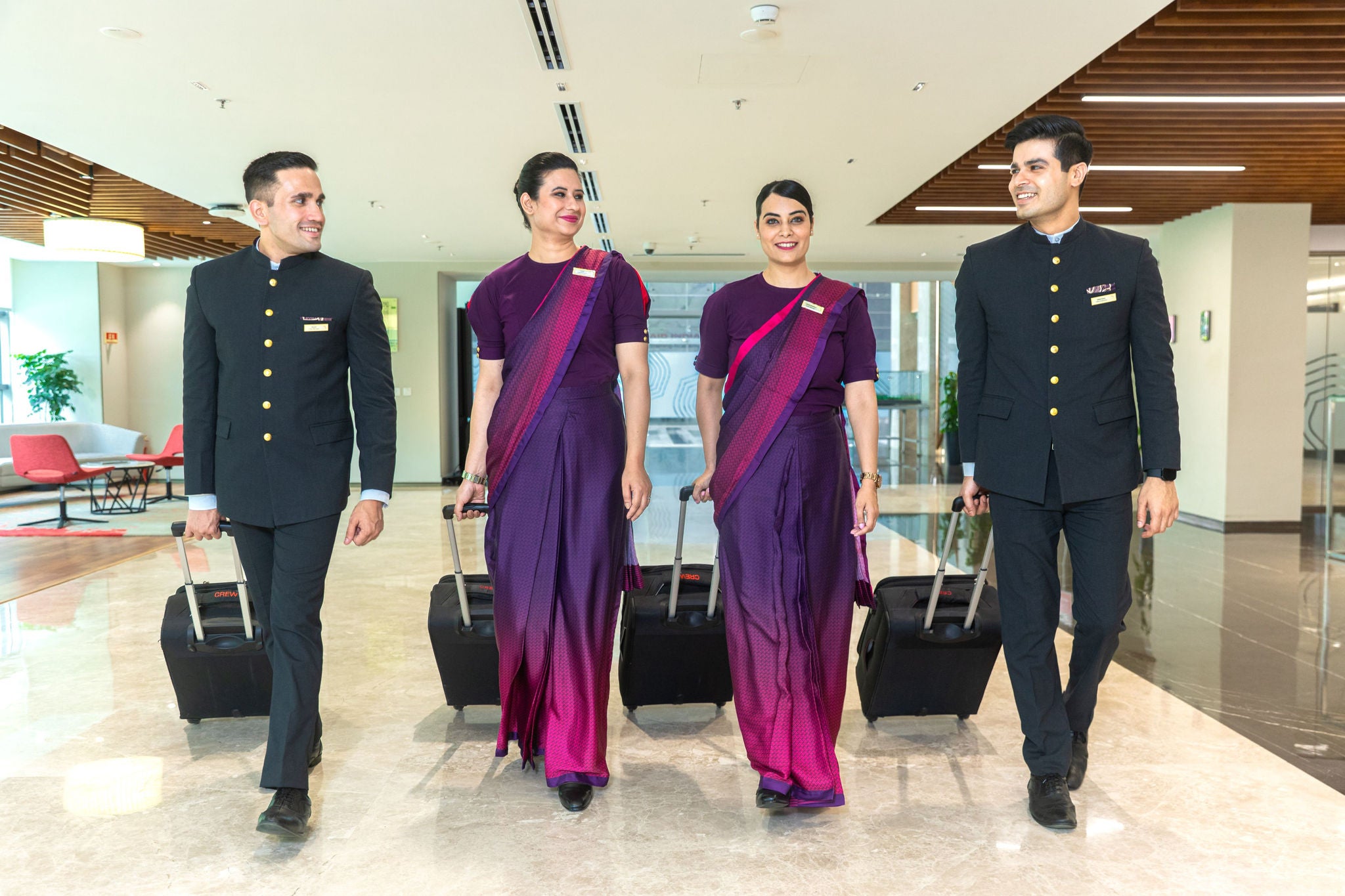
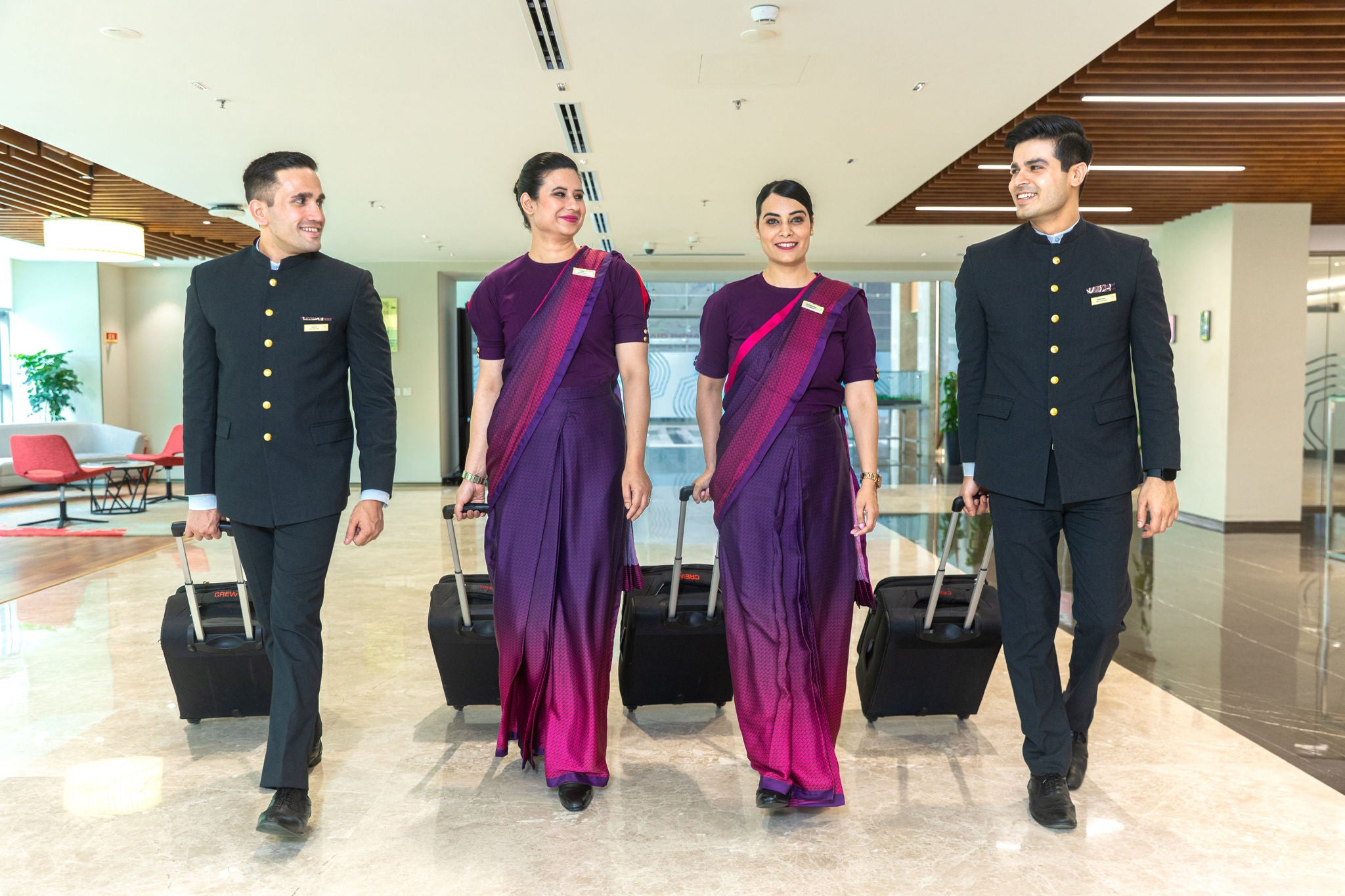
While for passengers, cabin crew are often associated with hospitality and warm service, safety remains their primary responsibility.
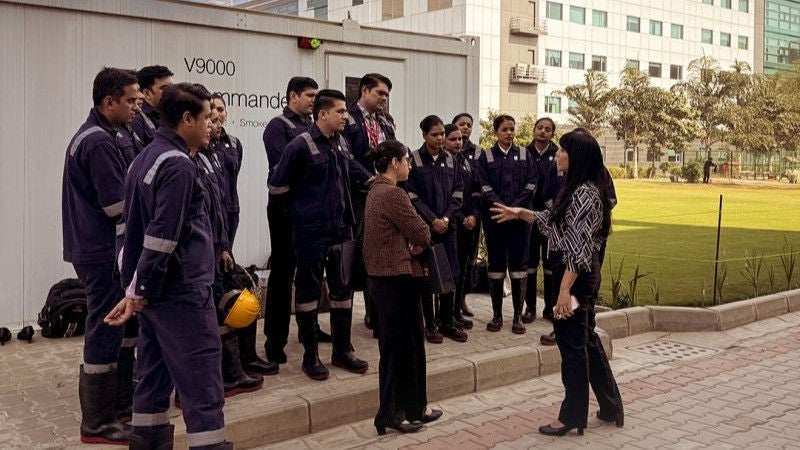
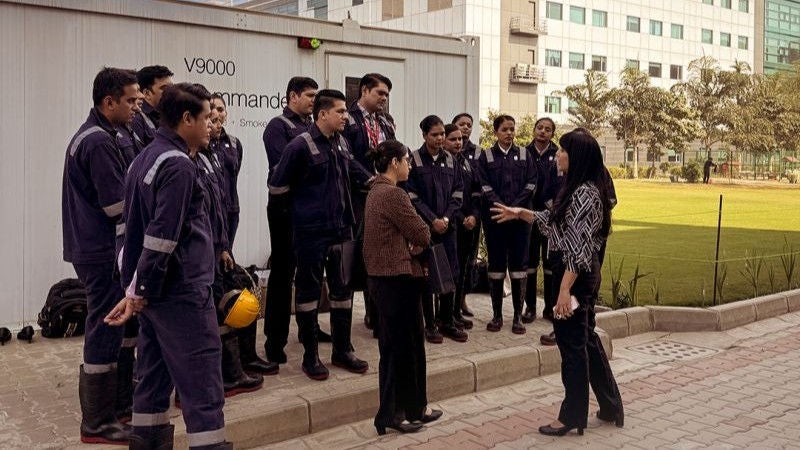
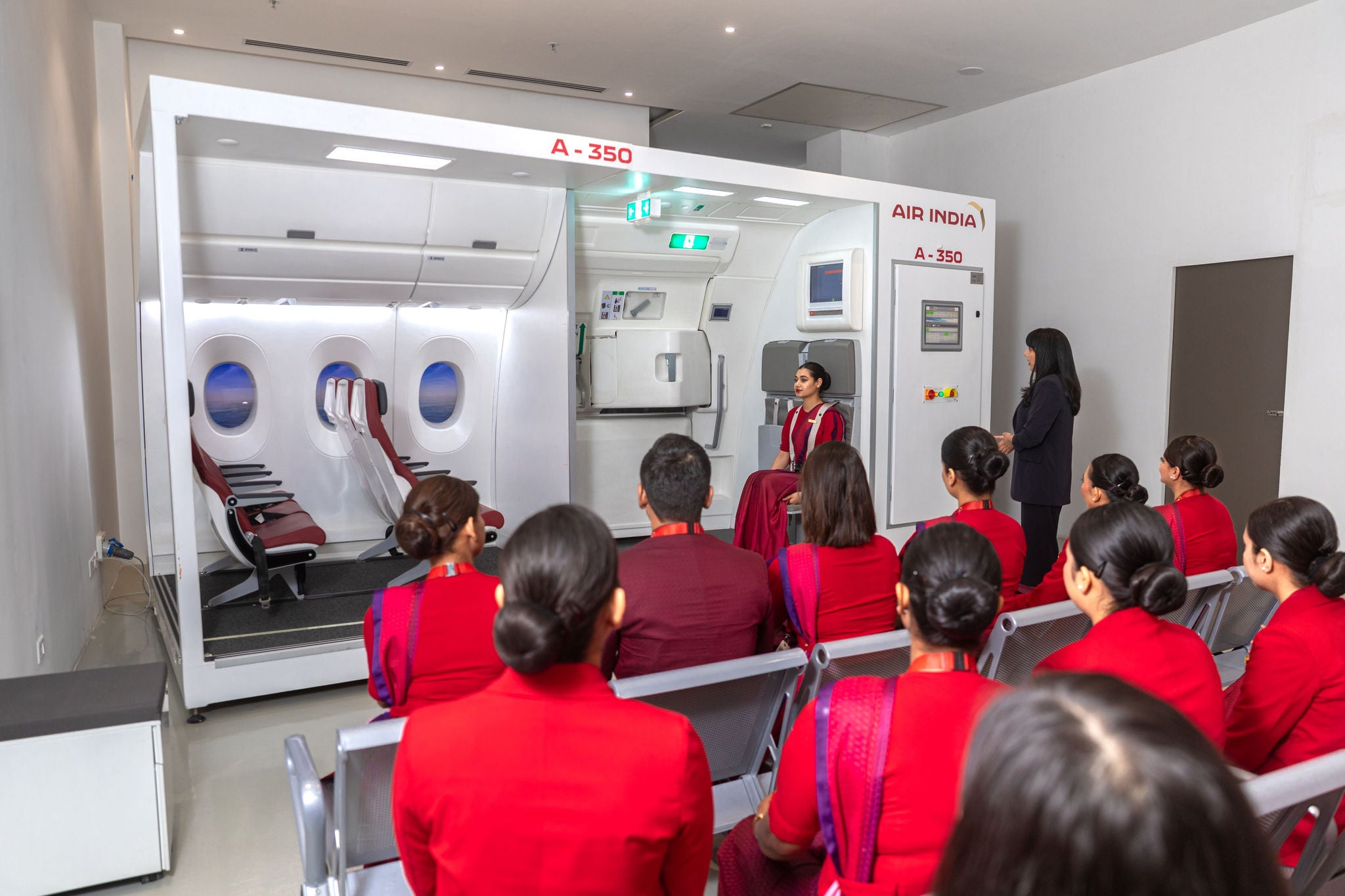
Before operating flights, cabin crew undergo extensive training covering emergency evacuations, firefighting, first aid, security threats, water landings and crowd management. Air India's training facilities use specialised equipment and realistic simulations that help crew members build the confidence and muscle memory needed to respond effectively during emergencies.
Their training also equips them to manage onboard medical situations, ensuring they can provide immediate assistance when required.
Every flight starts with a detailed pre-flight briefing. Cabin crew review safety procedures, assess passenger requirements and discuss operational updates with pilots. They inspect emergency equipment, verify cabin readiness and ensure exits and aisles remain unobstructed.
Even during boarding, crew members continue to monitor the cabin environment, identify passengers who may need additional assistance and ensure all safety requirements are met before departure.
Aviation safety relies on far more than individual expertise. Engineers, pilots, cabin crew, safety specialists and operations teams work together within a system designed to identify and manage risks.
Air India's Integrated Operations Control Centre continuously monitors flights, weather conditions and operational performance, while safety audits and flight data reviews help drive constant improvement. These processes align with international aviation standards and the policies laid by the aviation regulator of the country.
For passengers, a flight may begin when boarding happens, but for aviation professionals, it starts much earlier. Every inspection completed, briefing conducted and procedure followed contributes to a single goal which is ensuring every journey is as safe as possible. The warmth of the welcome onboard may be what passengers remember, but it is the unseen preparation behind the scenes that make every journey safe and reliable for the guests.