In late 2022, Air India set in motion one of the most ambitious airline transformation programmes underway anywhere in the world. The beginning was almost unceremonious: a quiet ballroom at Mumbai’s Taj Mahal Palace Hotel, where global suppliers laid out their most advanced cabin seats, lighting systems and entertainment technologies. Air India’s leadership, including Ratan Tata, moved deliberately through the displays, weighing what the next chapter of the airline should look like.
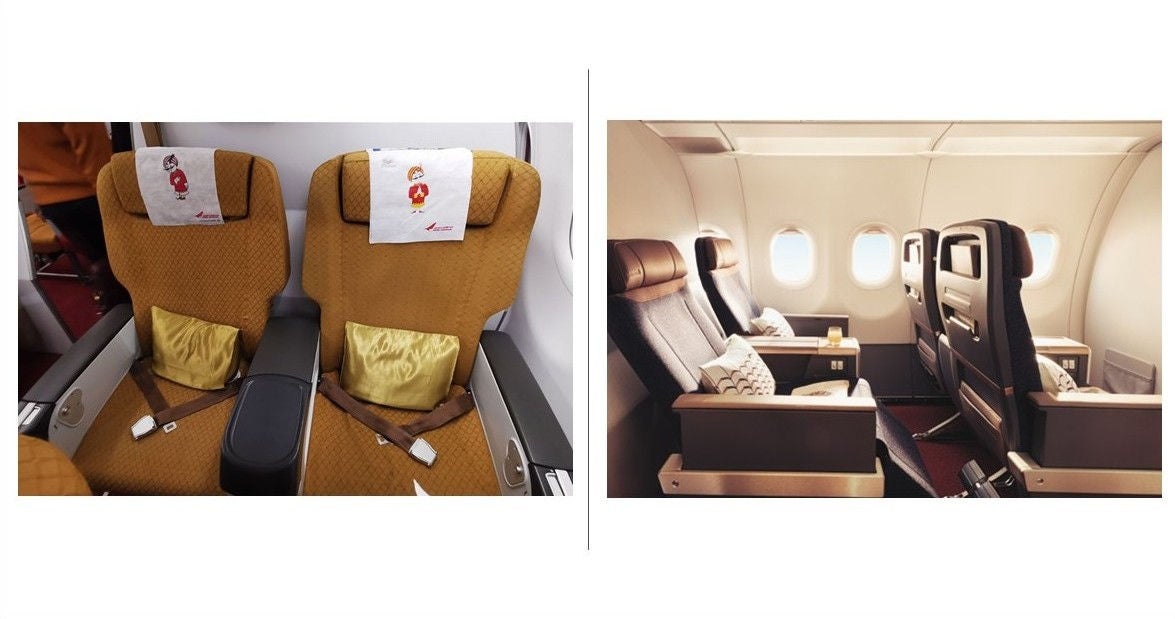
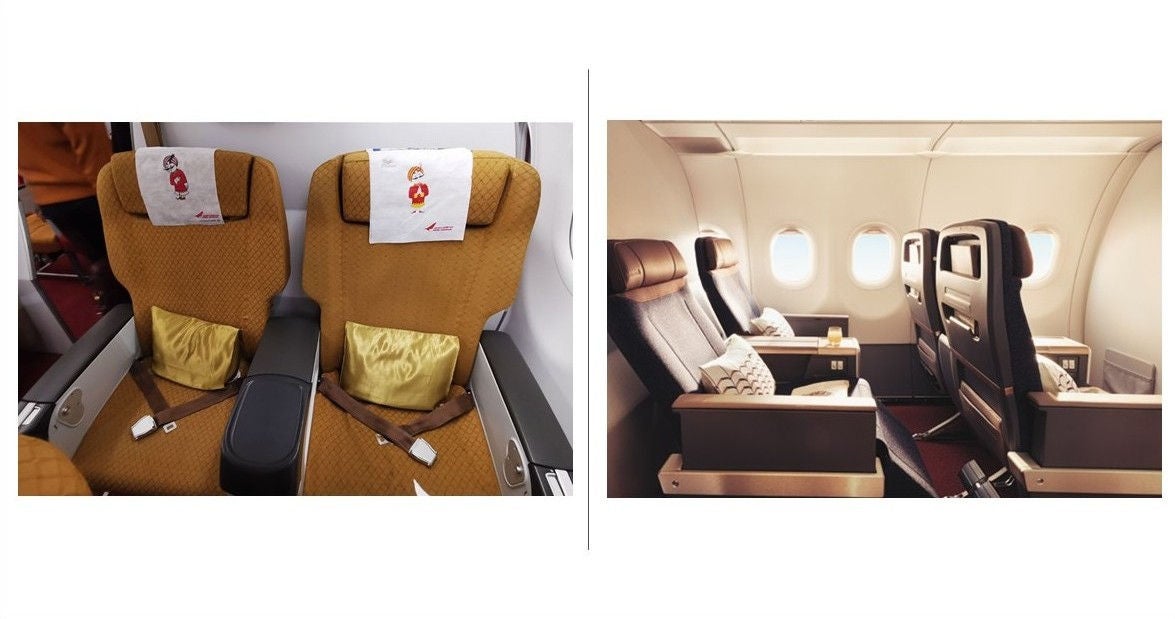
For a carrier whose inflight product had gone more than a decade without meaningful refresh, the moment marked a line in the sand. Years of aging seats, inconsistent entertainment screens, basic service ware and a patchwork of customer-facing processes were no longer sustainable. With a 600‑aircraft order and more than 100 retrofits planned, the airline was preparing not just to modernise, but to rebuild.
The timing, however, was difficult. As airlines around the world emerged from the pandemic and launched their own upgrade cycles, manufacturers and suppliers struggled to keep pace. Labour shortages choked design workshops. Global supply chains pushed timelines months beyond projections. Regulators in the United States and Europe tightened certification norms.
Air India felt every one of these pressures. Boeing and Airbus postponed new aircraft deliveries by more than a year. Retrofit programmes, which under normal conditions might take three years, stretched substantially longer. In one of the most consequential setbacks, a major seat supplier withdrew from a contract to deliver First and Business Class seats for the Boeing 777 retrofit programme, a decision that pushed the project back by more than two years.
Even so, the airline pressed on, working cabin-by-cabin, aircraft-by-aircraft, to replace a legacy of underinvestment with a clear, unified design vision.
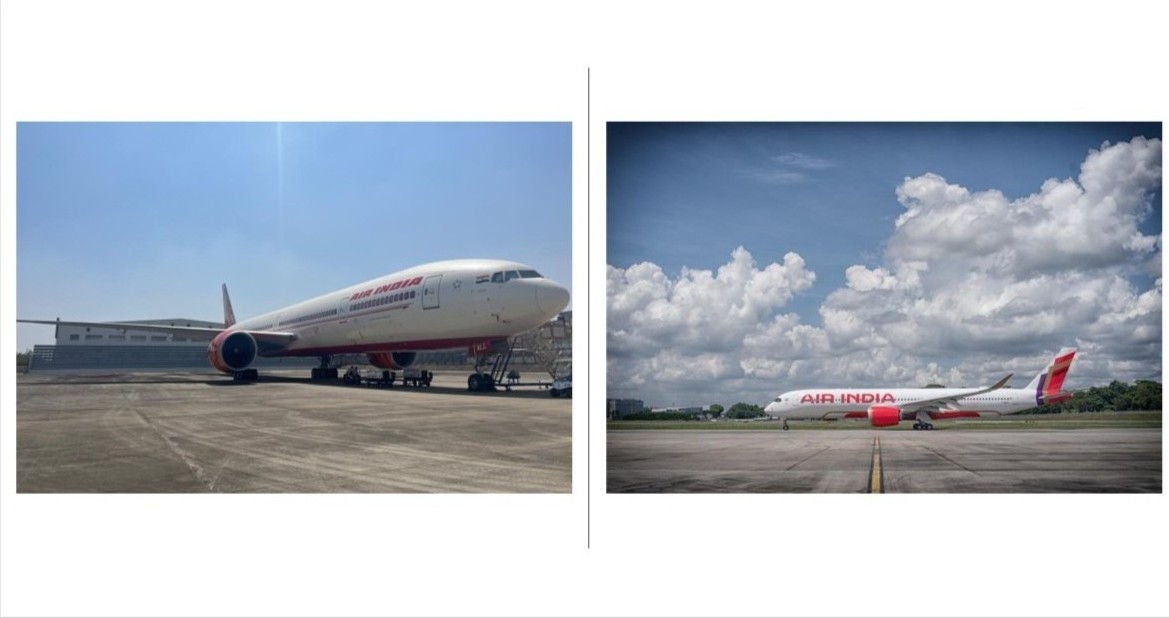
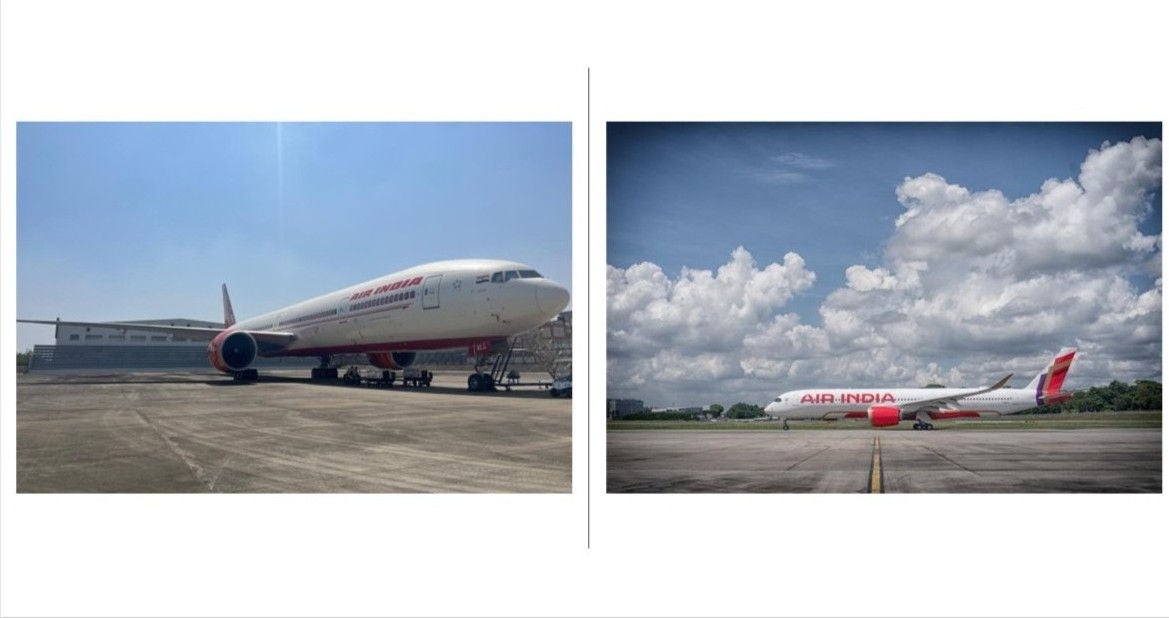
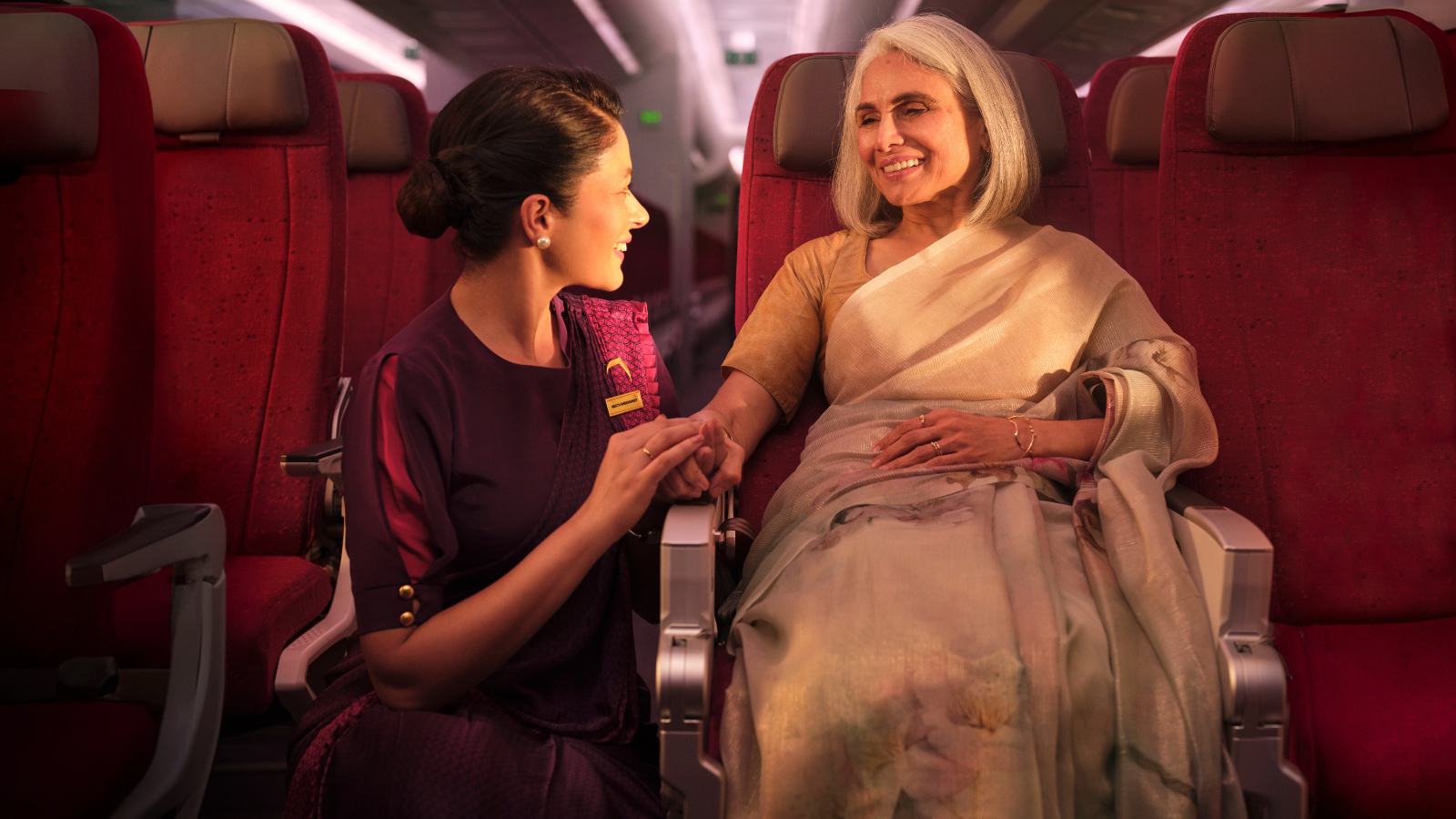
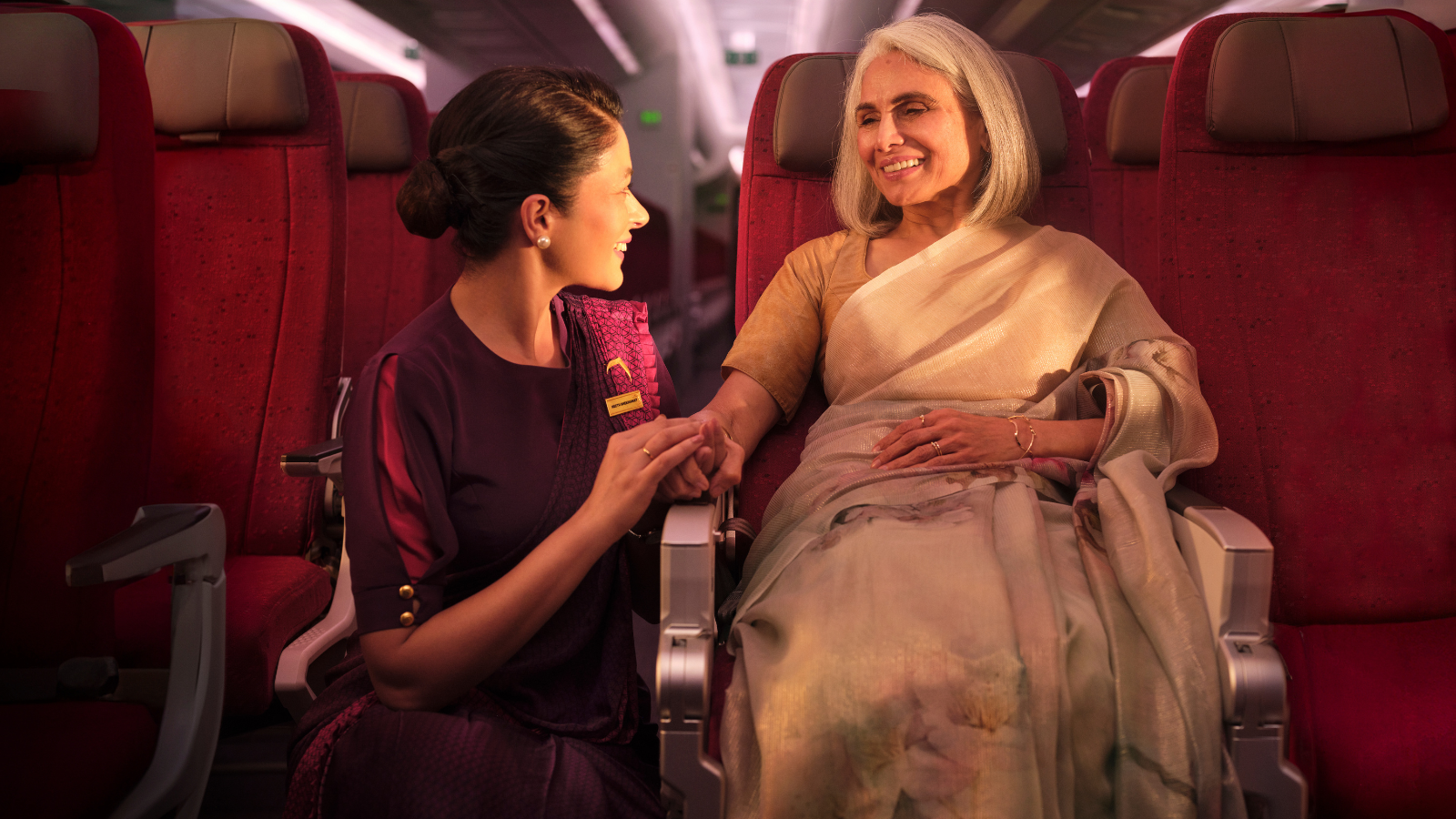
The first visible shift came in early 2024 with the introduction of the Airbus A350‑900. Although originally destined for another airline, Air India reimagined the cabin from the ground up. Colours, materials, lighting and finishes were redesigned to align with its new brand direction. The aircraft debuted a modern inflight entertainment system, upgraded connectivity, refined service ware and a completely refreshed food and beverage programme.
For many passengers, boarding the A350 felt like encountering a different airline altogether - one defined by coherence and contemporary global standards, not by legacy remnants of the past.
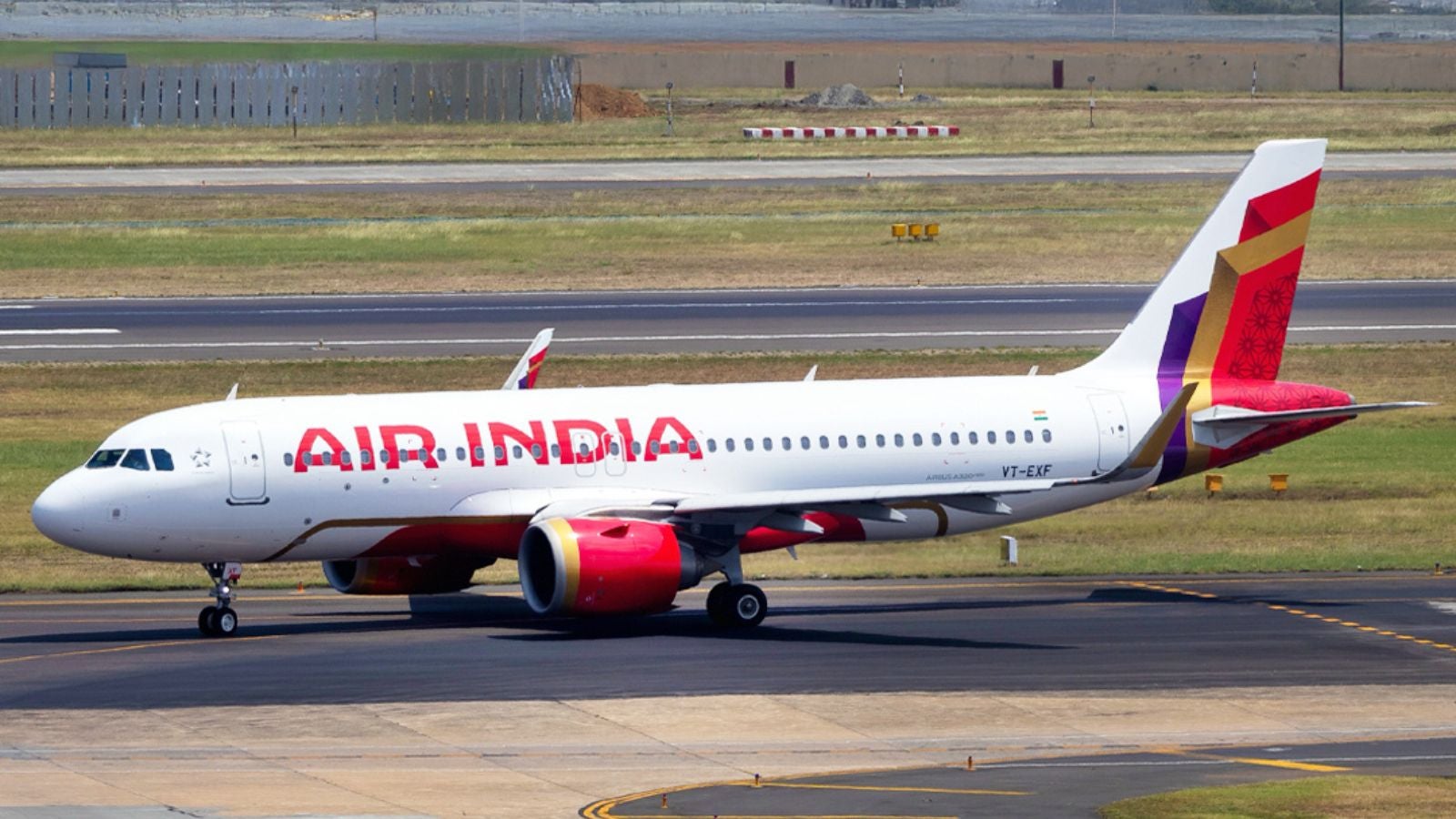
The transformation gathered pace across the domestic network. By the end of 2025, more than 100 Airbus A320 family aircraft were modernised, with retrofits, and consistent cabin layouts to offer:
These aircraft replaced short-haul cabins that had long been marked by worn seat fabrics, tired lighting and ageing fixtures.
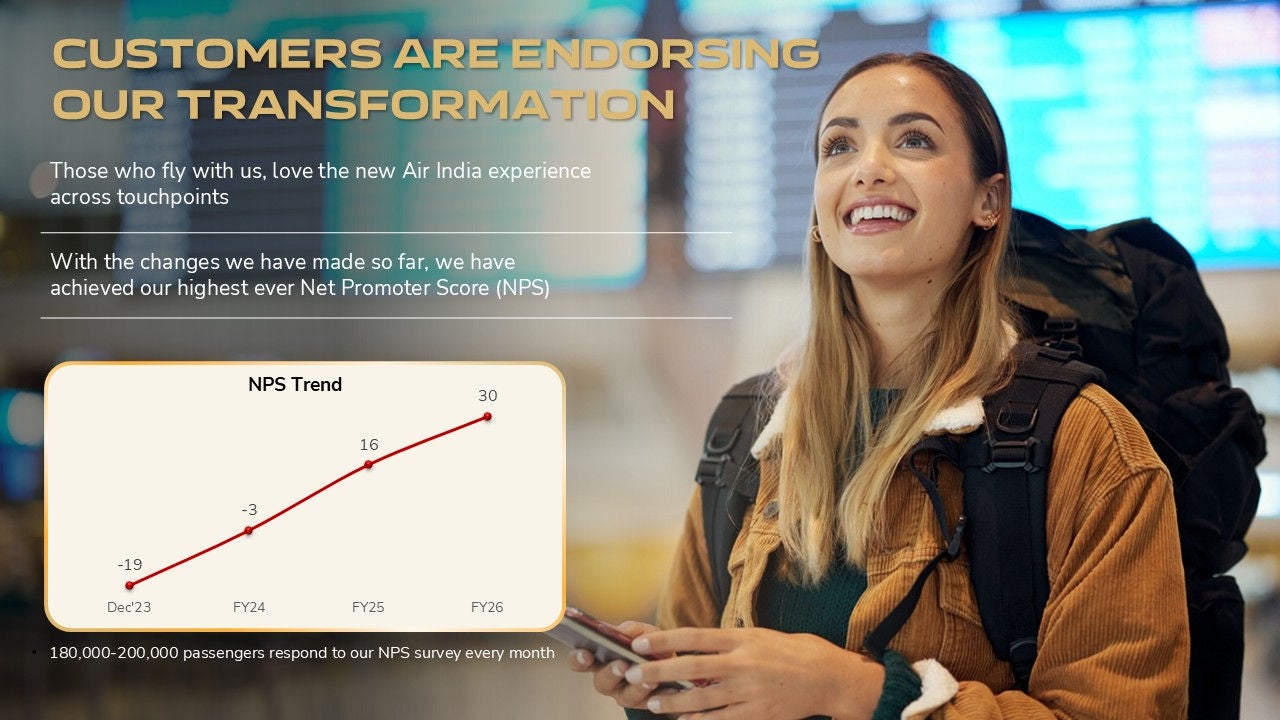
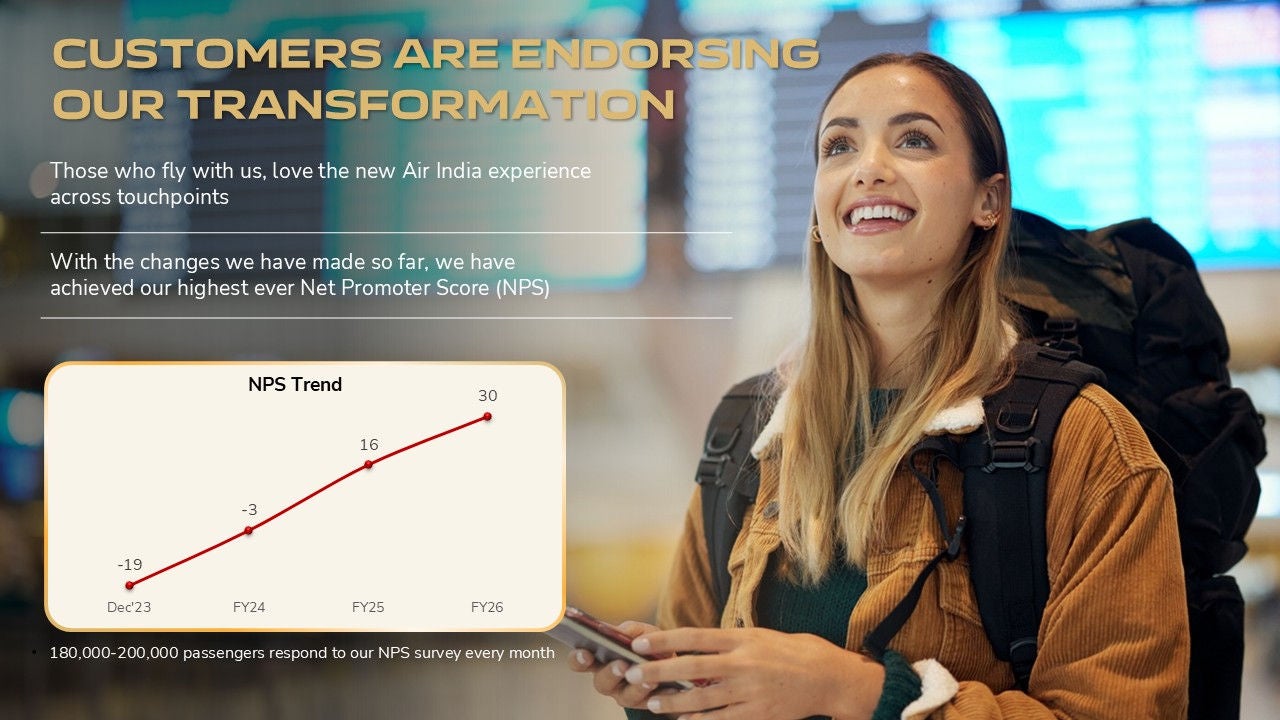
Operational performance improved alongside the physical upgrades. Investments in engineering reliability, new control systems, optimized crew scheduling and enhanced airport processes lifted punctuality and stability. Domestic Net Promoter Scores climbed into the high‑40s, more than 50 points higher than when the Tata Group took over in early 2022, signalling a shift in passenger confidence.
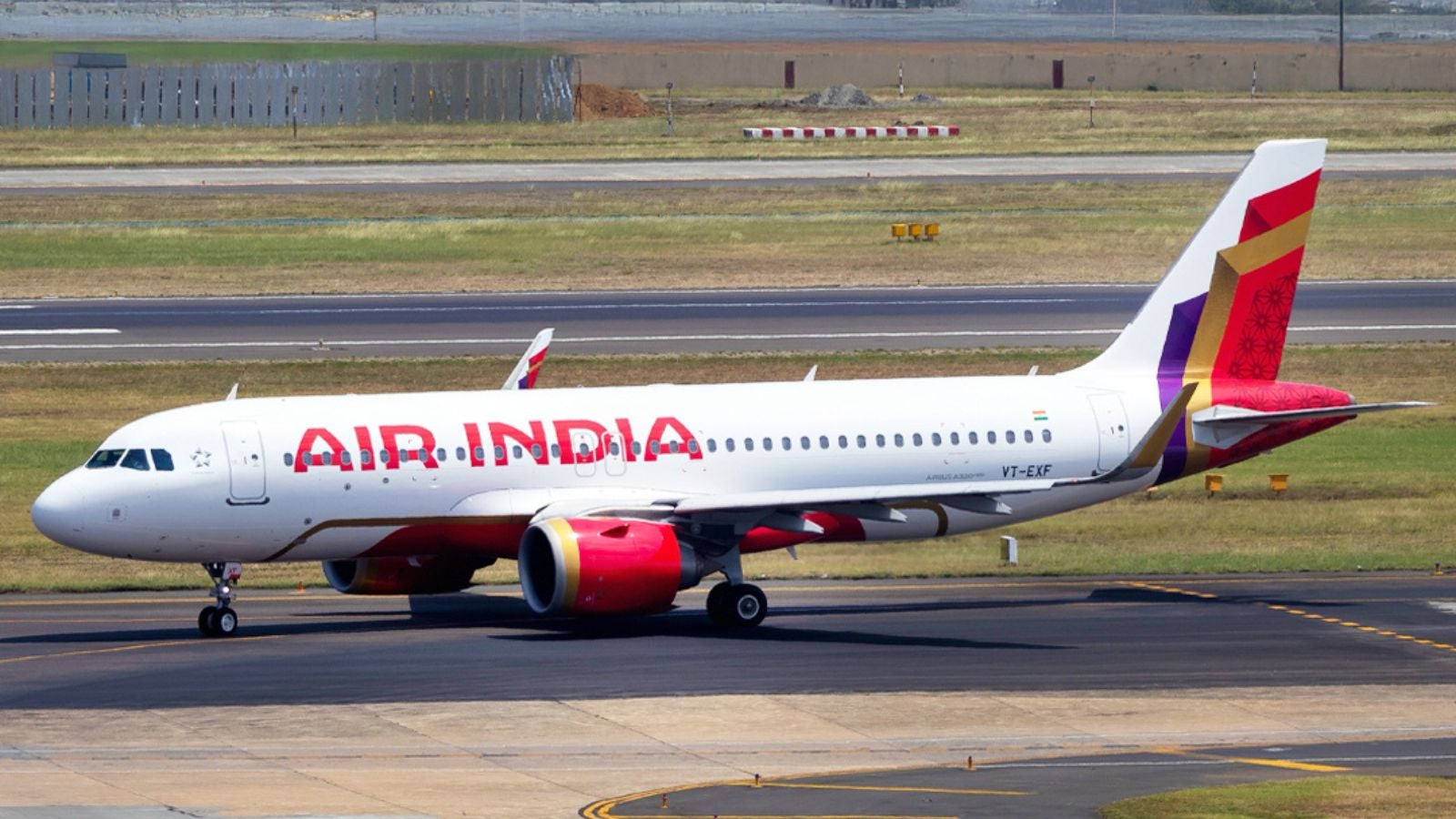
A more profound milestone arrived in early 2026, when the first aircraft fully designed under Air India’s new product and cabin philosophy entered service. These included the first of 200 Boeing 737 MAX aircraft for Air India Express and the first of 20 Boeing 787‑9 Dreamliners for long-haul operations.
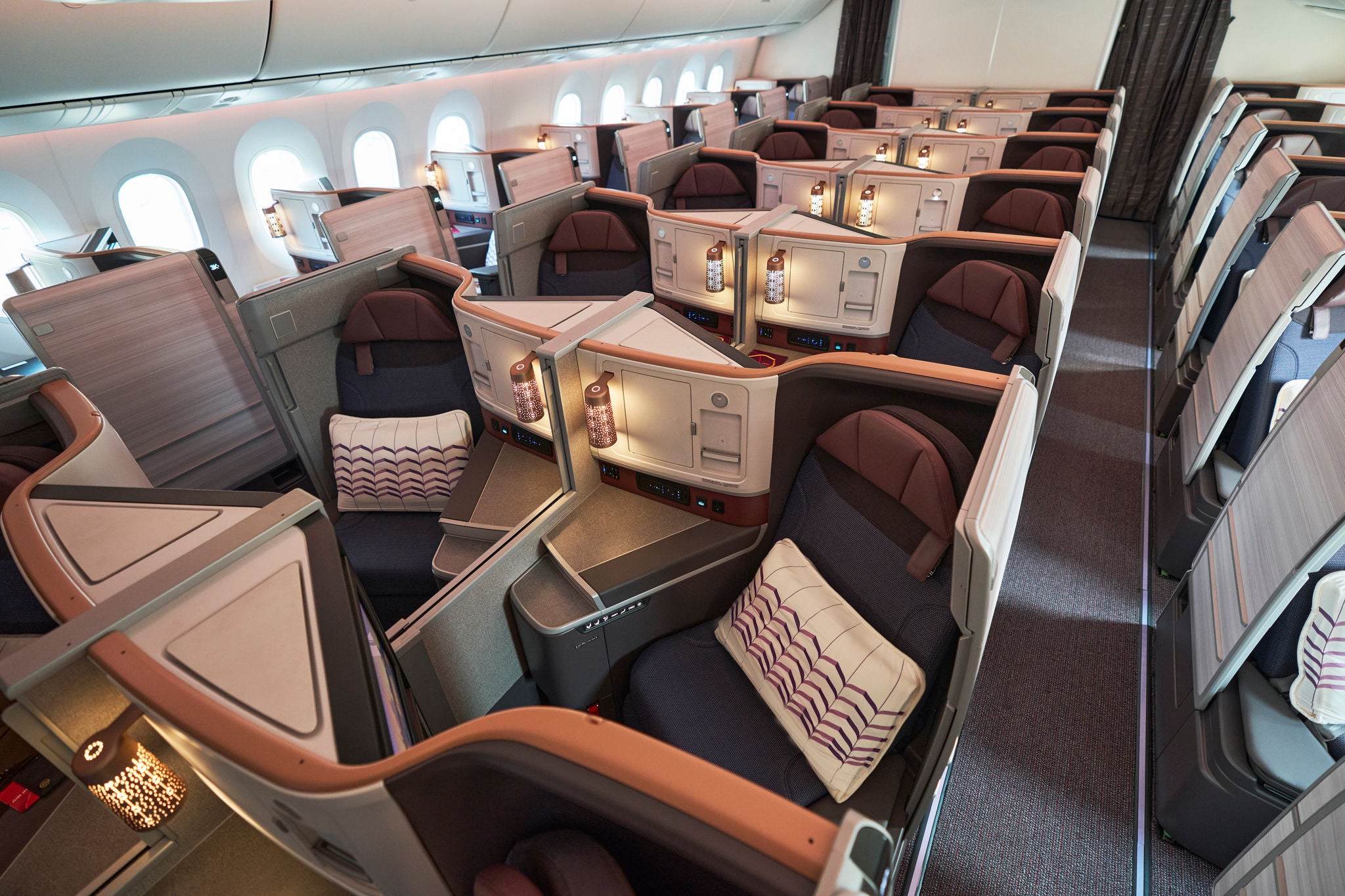
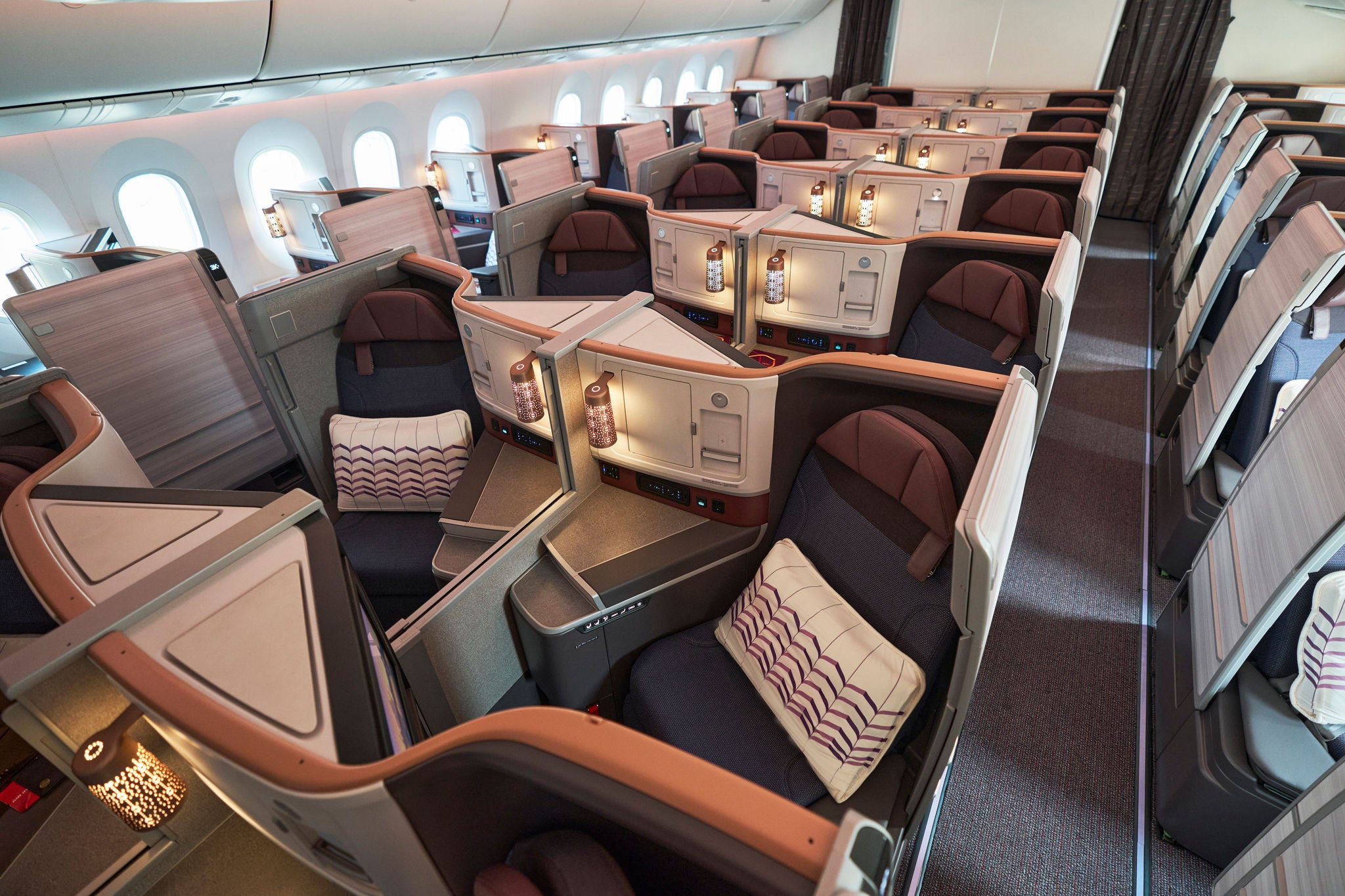
Unlike earlier aircraft, which required retrofitting or modifications, these jets were born with Air India’s new identity embedded in them. The 737 MAX fleet introduced a sleek, modern short‑ and medium-haul product with consistent branding and wireless entertainment. The 787‑9 delivered a long-haul experience built around redesigned Business, Premium Economy and Economy cabins, high‑definition screens and imminent rollout of onboard high-speed connectivity.
Where previous cabins had reflected decades of uneven investment, these aircraft represented a unified, future-facing standard - clean-lined, modern and designed to compete globally.
Air India’s overhaul extended well beyond new seats and trims.
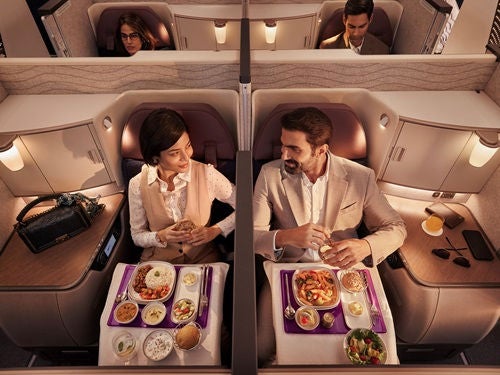
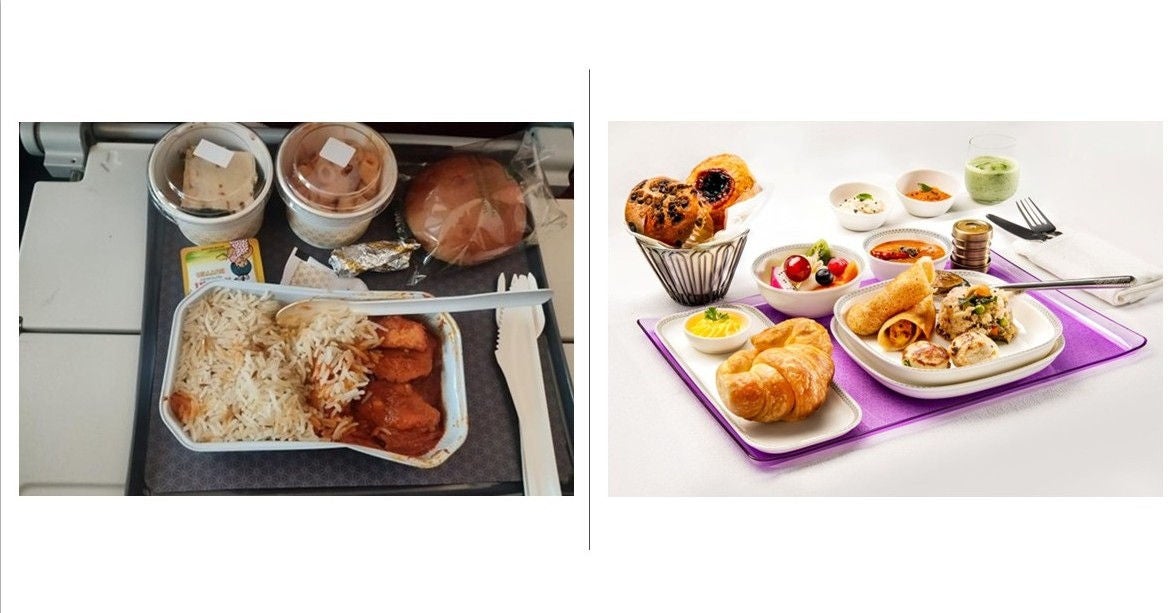
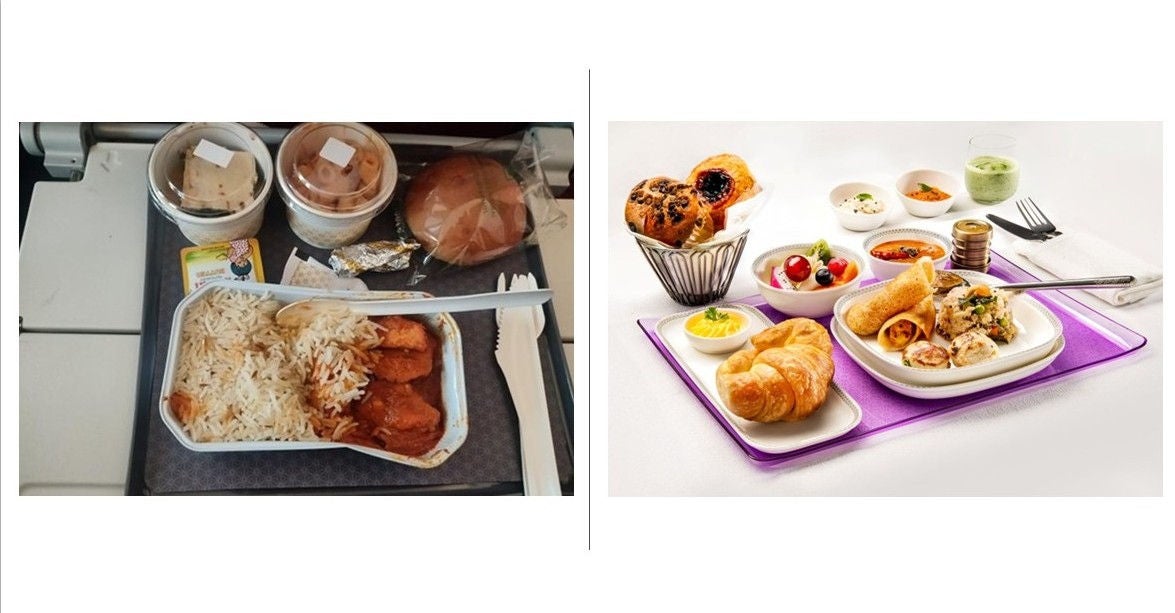
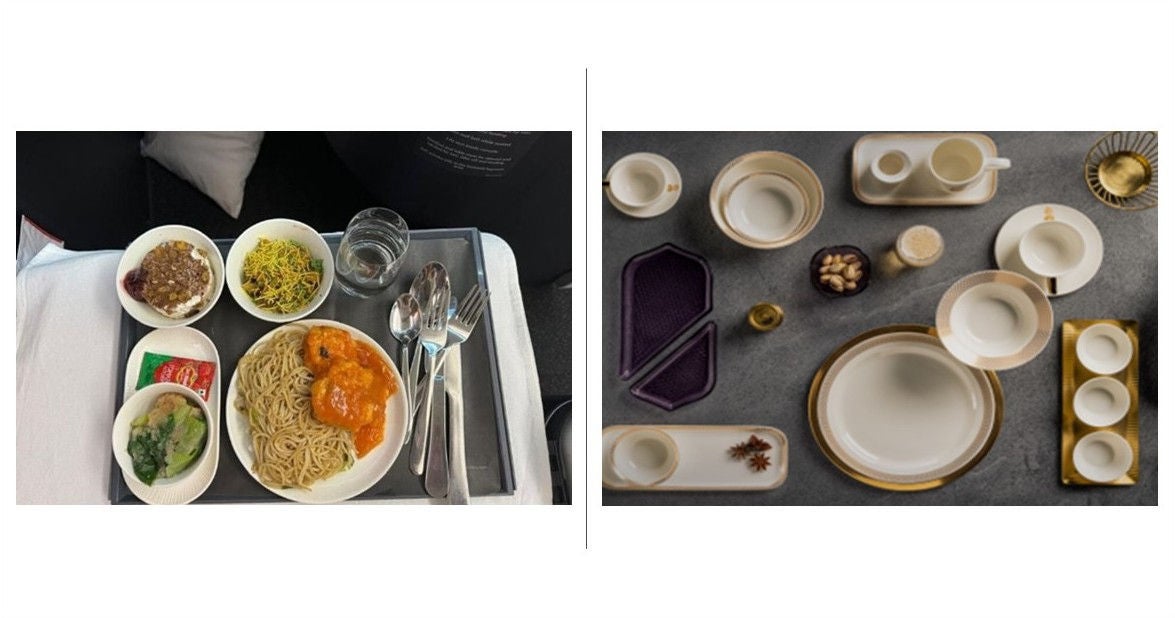
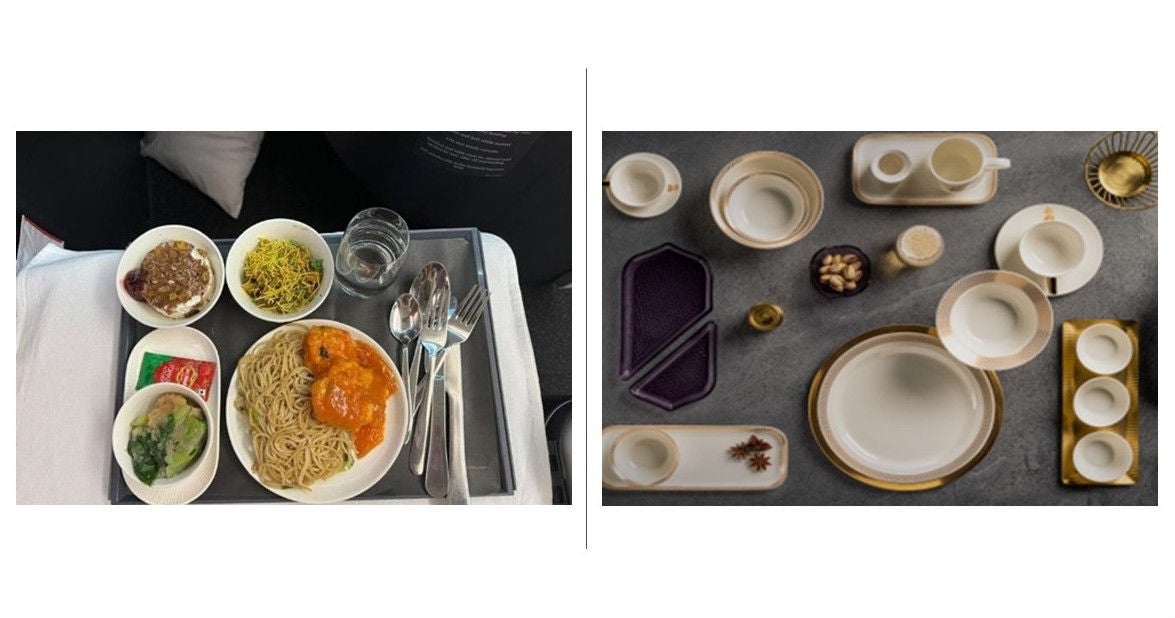
Previously characterised by limited choice and dated presentation, inflight dining underwent a wholesale transformation. The new menu emphasises India’s regional depth - from coastal and South Indian specialties to North Indian classics - alongside contemporary global options. Ingredient quality and plating standards improved significantly, supported by new galley processes and strengthened catering partnerships.
Updated chinaware, glassware and service ware brought a level of refinement previously absent, while an expanded range of special meals and digital pre-selection tools gave passengers new control over their dining experience.
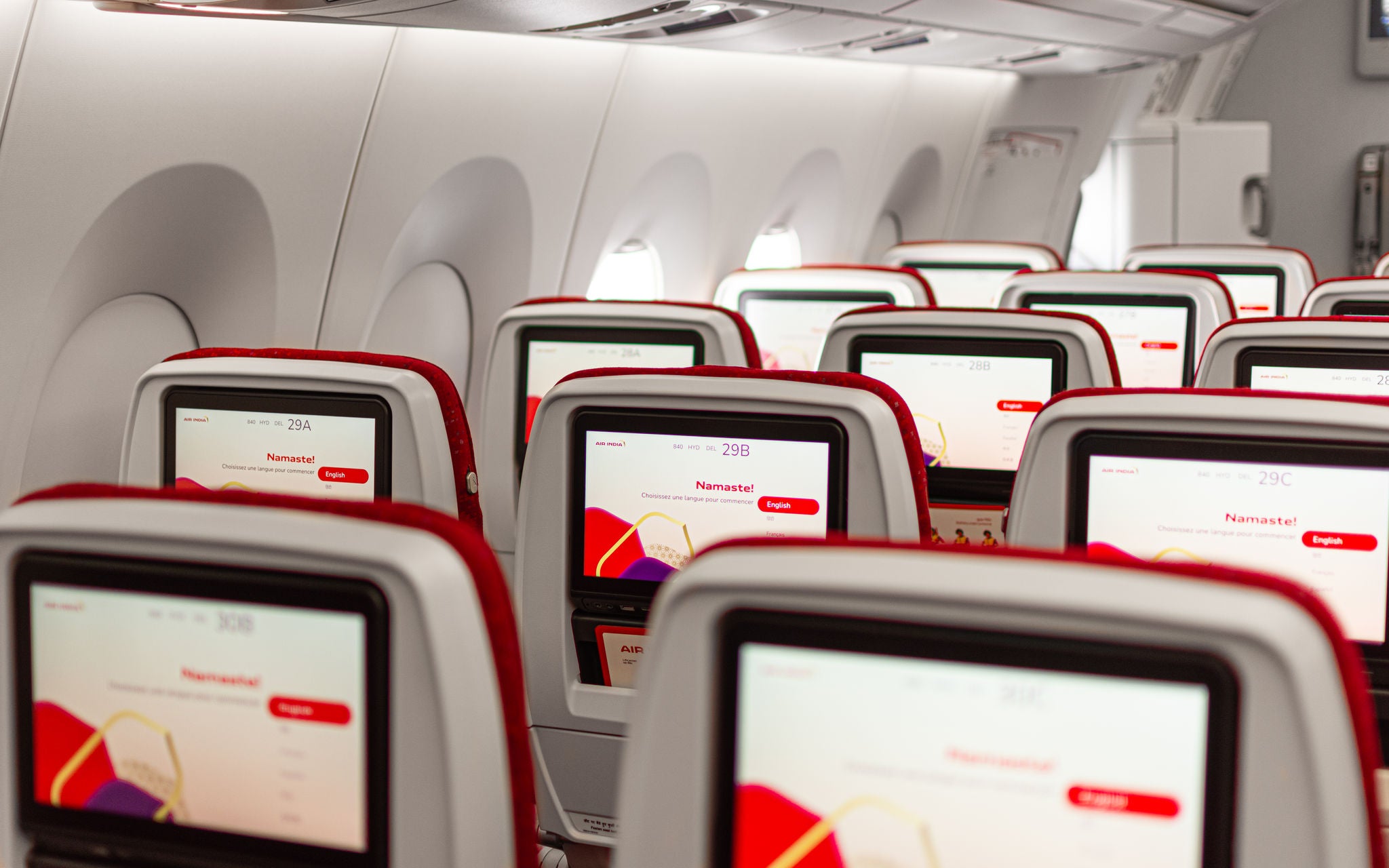
What had often been small, unreliable screens or outdated systems evolved into a modern entertainment ecosystem:
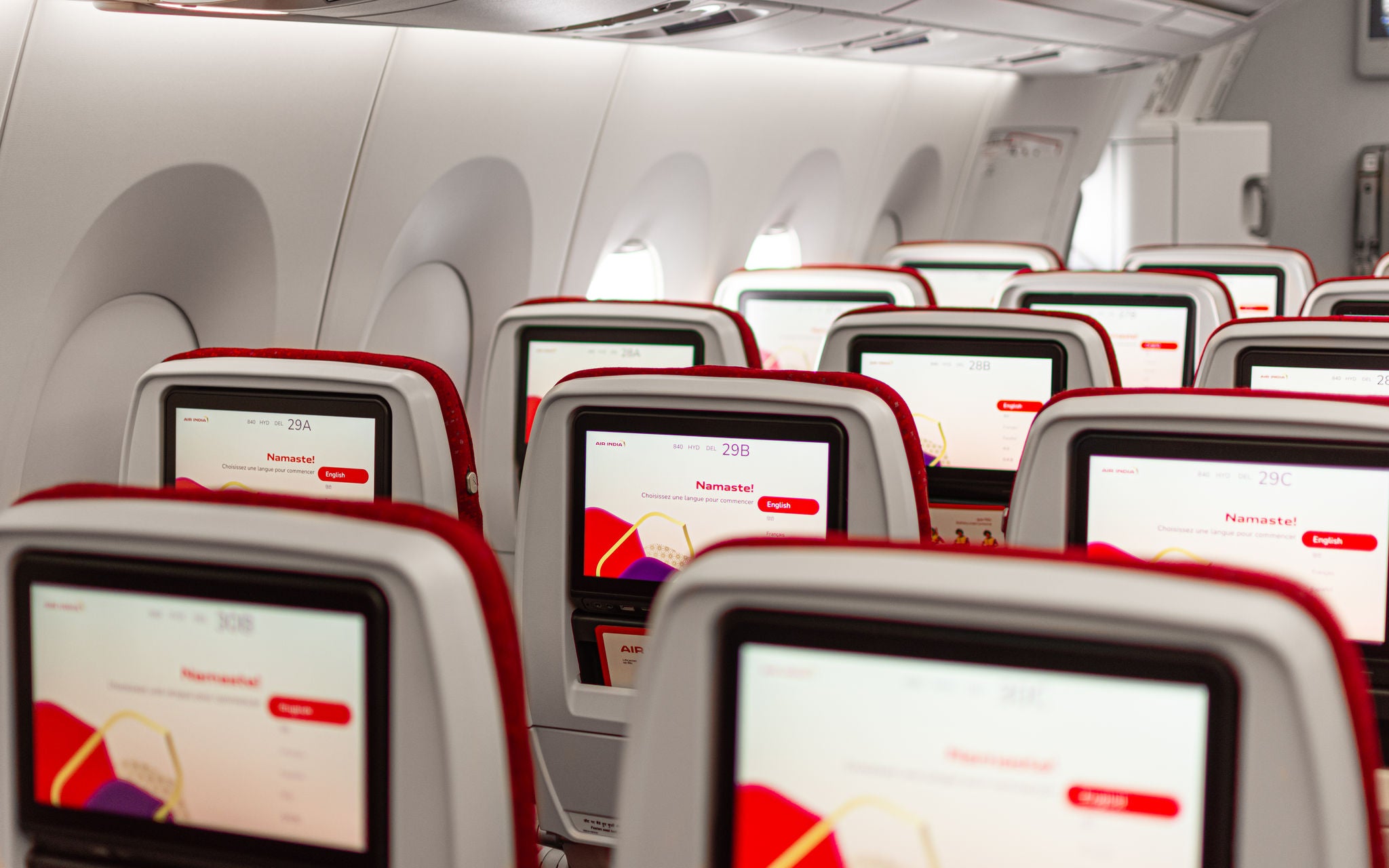
Soft-product upgrades were equally significant. Amenity kits were redesigned with contemporary materials and subtle Indian design cues. Premium bedding - duvets, pillows, mattress pads - was upgraded for long-haul comfort. Textiles, lavatory amenities and service items were refreshed to create a cohesive aesthetic across cabins.
These updates replaced older, inconsistent soft products that had remained unchanged for many years.


Air India’s transformation extended into airports, where once-inconsistent lounge standards and outdated facilities gave way to a completely new approach.
Lounges in Delhi and Mumbai were redesigned with modern interiors, improved seating zones, dedicated quiet areas, sleep suites, upgraded shower facilities and significantly enhanced dining. Lounge access for eligible customers now spans the airline’s global network, an upgrade from previously inconsistent coverage.
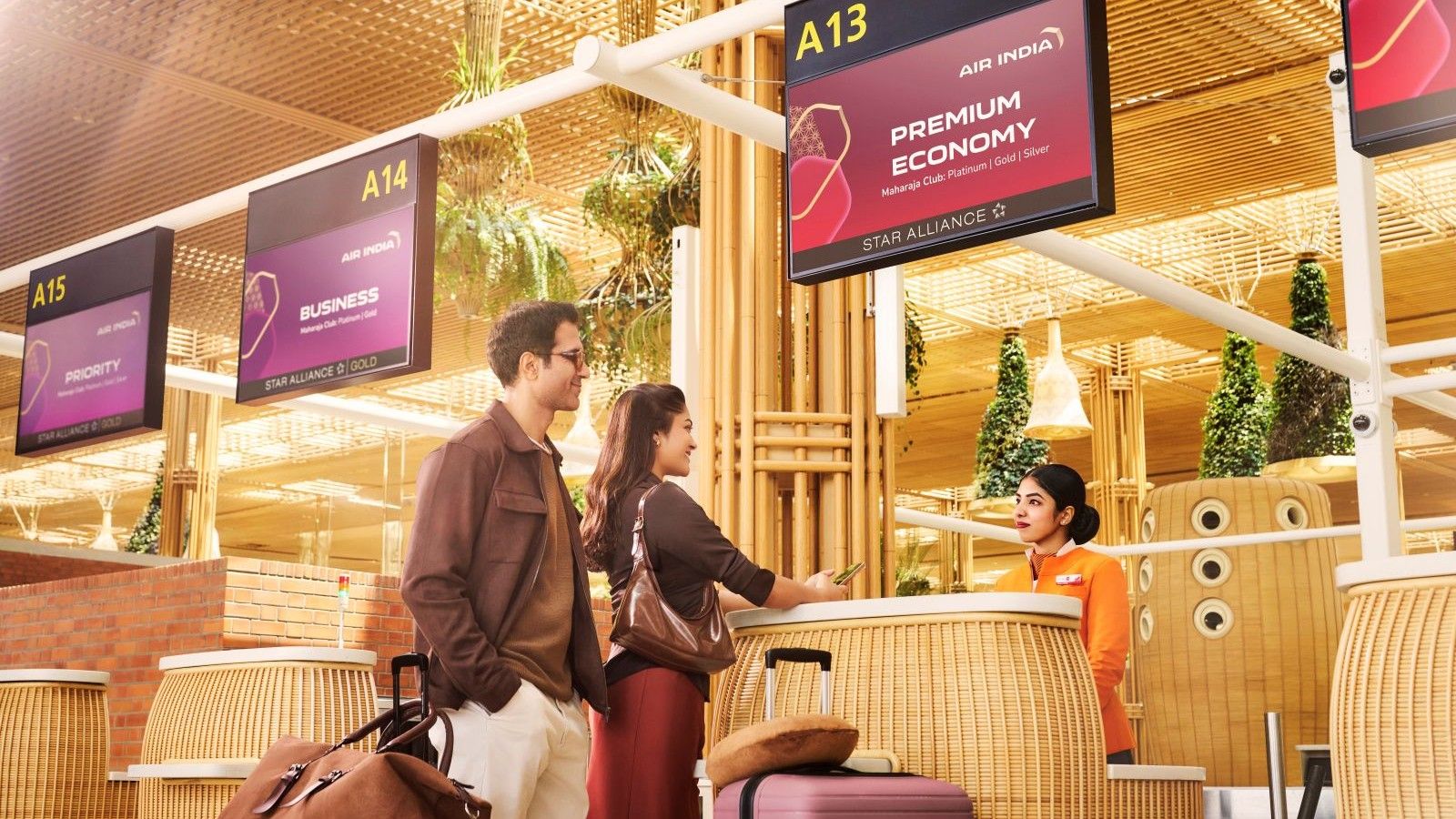
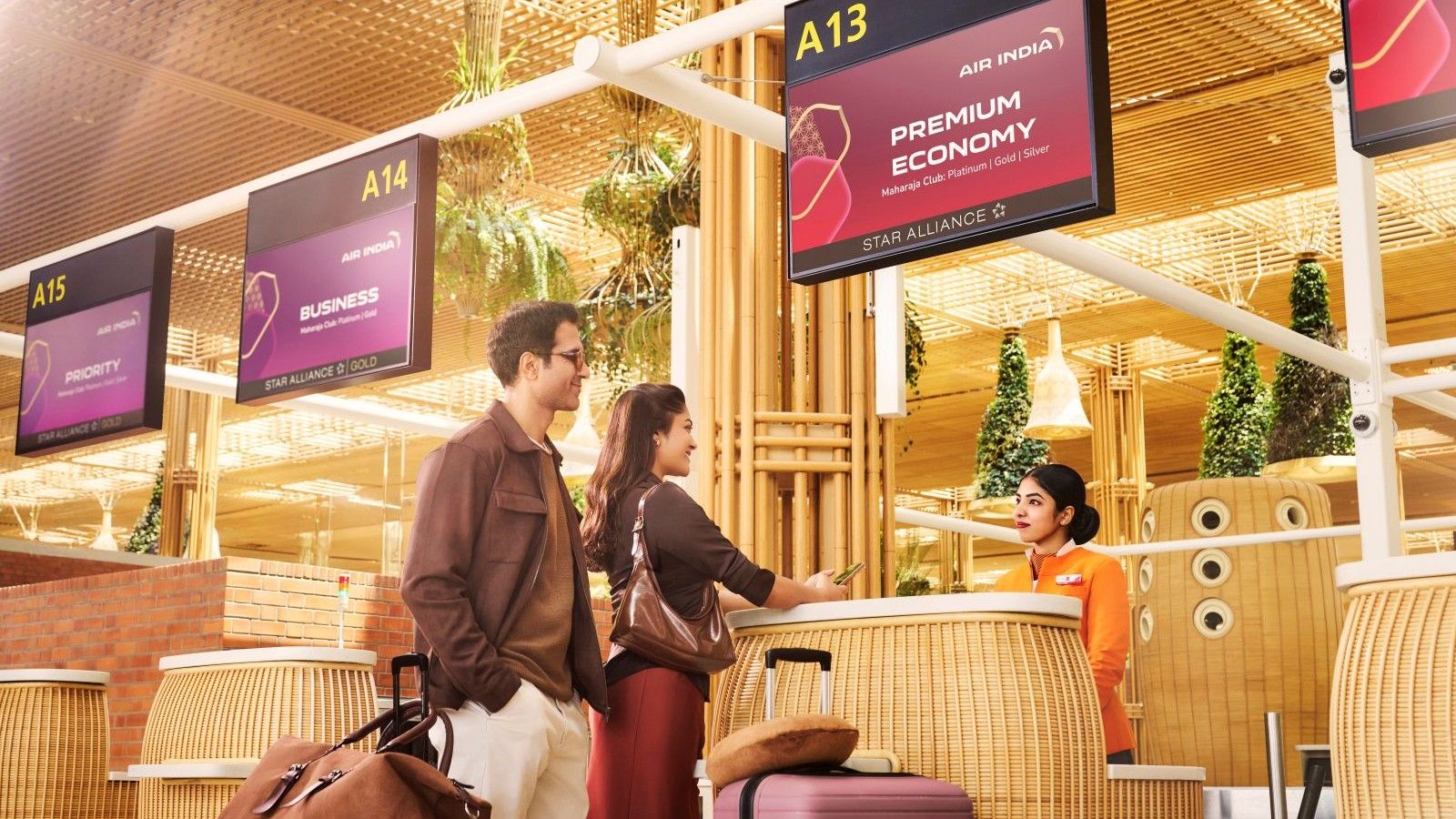
Airports introduced improved boarding processes, self-service check-in and baggage kiosks, and expanded city-side check-in facilities. A younger, digitally enabled frontline workforce now supports passengers with greater agility and reliability.


Perhaps the most dramatic before-and-after story sits in Air India’s digital transformation.
Until recently, the airline’s customer support infrastructure was fragmented - spread across more than 100 email IDs, with response times that could stretch to 11 days, long call waits and a backlog of pending refunds.
Today, a unified digital support system is backed by one of the airline industry’s first generative AI chatbots, which has handled more than 14 million cases. Call wait times have fallen to around 10 seconds. Email resolution now happens within 24-48 hours. Refunds are processed within a day. Social media response times average minutes rather than hours.
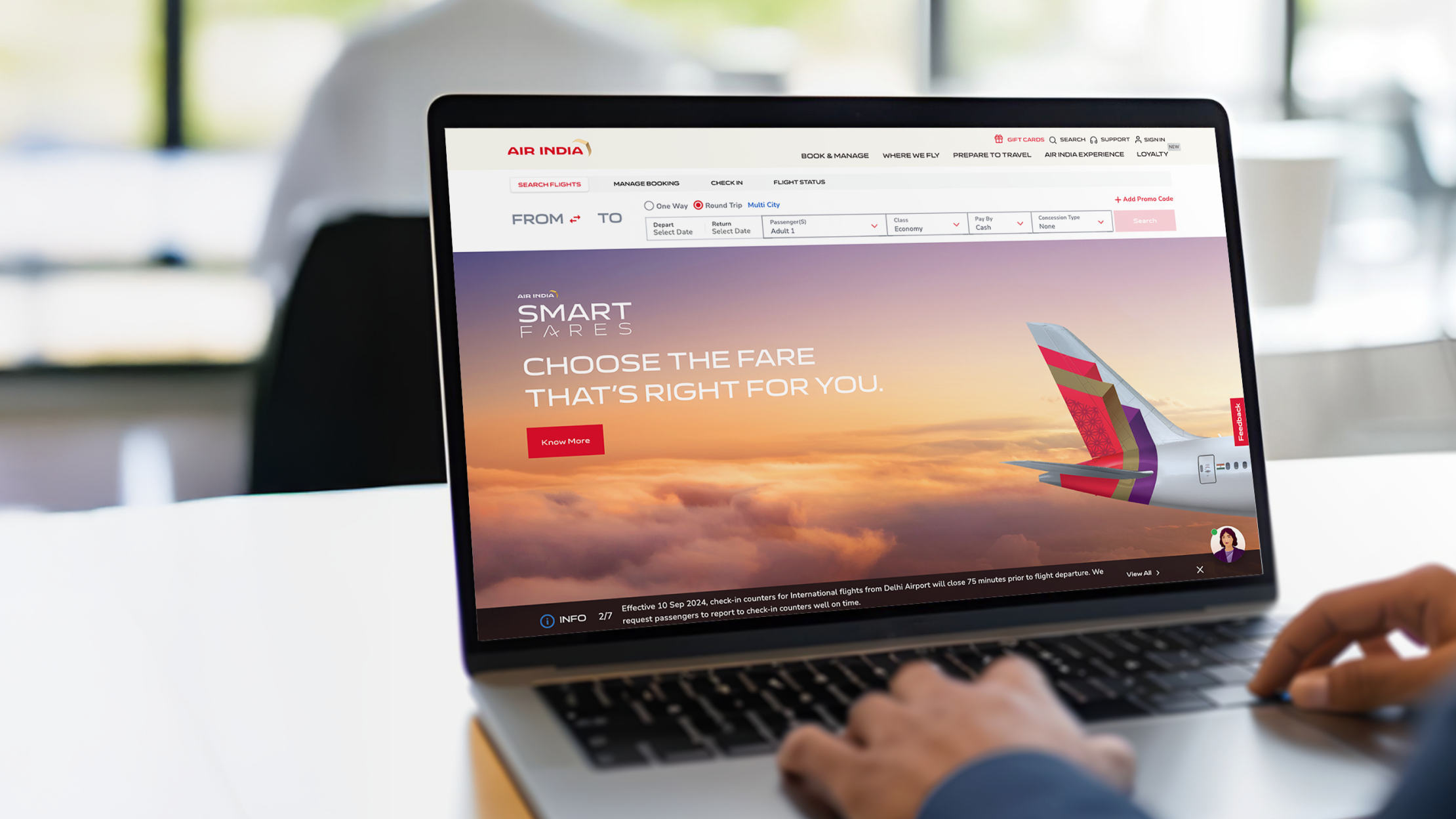
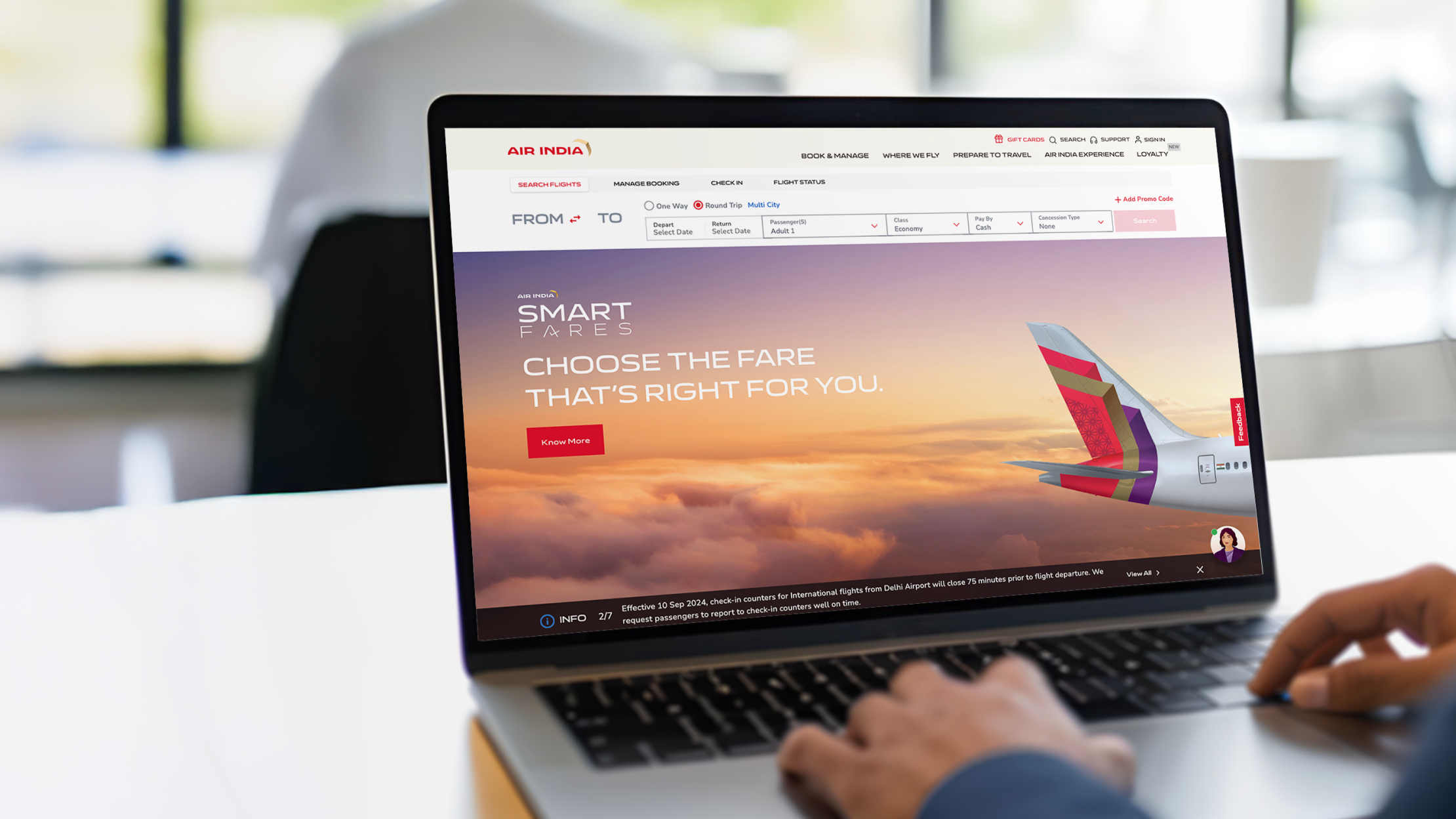
Website and app interfaces were rebuilt entirely, simplifying booking, improving fare transparency and increasing reliability. The mobile app, rated 4.8 stars, is now among the highest-rated airline apps globally.
Behind the scenes, crew, pilots, engineers and airport teams now use handheld digital tools for real‑time updates, operational decisions and predictive maintenance - a stark shift from paper-based and manual systems that once dominated the airline.
Together, these changes form the backbone of Vihaan.AI, the multi-year effort to rebuild Air India as a globally competitive carrier with a modern Indian identity. By the end of 2026, more than half of the airline’s long-haul flights will operate with upgraded aircraft. By 2029, the entire long-haul fleet is expected to be modernised. Narrowbody upgrades are already well underway, and new deliveries will continue at pace.
One of the clearest indicators of the impact of these efforts over the last four years has been the marked improvement in customer sentiment. Air India’s Net Promoter Score (NPS) has risen by more than 50 points, from a low of ‑19 in December 2023 to over +30 today, reflecting tangible improvements in the areas that matter most to customers.
What began quietly in a Mumbai ballroom has evolved into one of the most extensive airline modernization programmes anywhere in the world. And although the work is far from complete, the outlines of a new Air India - modern, reliable and increasingly aligned with global expectations - are becoming unmistakably visible, one cabin and one journey at a time.