Air India’s commercial transformation is rebuilding the airline for profitable growth, restoring scale, connectivity, and market relevance through fleet expansion, network restructuring, and premiumisation. This transformation is reshaping revenues via modern retailing, global sales, partnerships, and cargo, positioning Air India as a competitive global carrier for the next decade.
For much of the past two decades, Air India symbolized unrealized potential. The airline sat at the crossroads of global travel, carried a powerful national brand, and served one of the world’s fastest‑growing aviation markets. Yet persistent structural constraints, an aging fleet, outdated systems and a fragmented network left it unable to translate advantage into results.
That equation has begun to change. A sweeping commercial transformation has repositioned Air India not as a repaired legacy carrier, but as a fundamentally rebuilt global airline, designed for scale, connectivity and long‑term competitiveness.
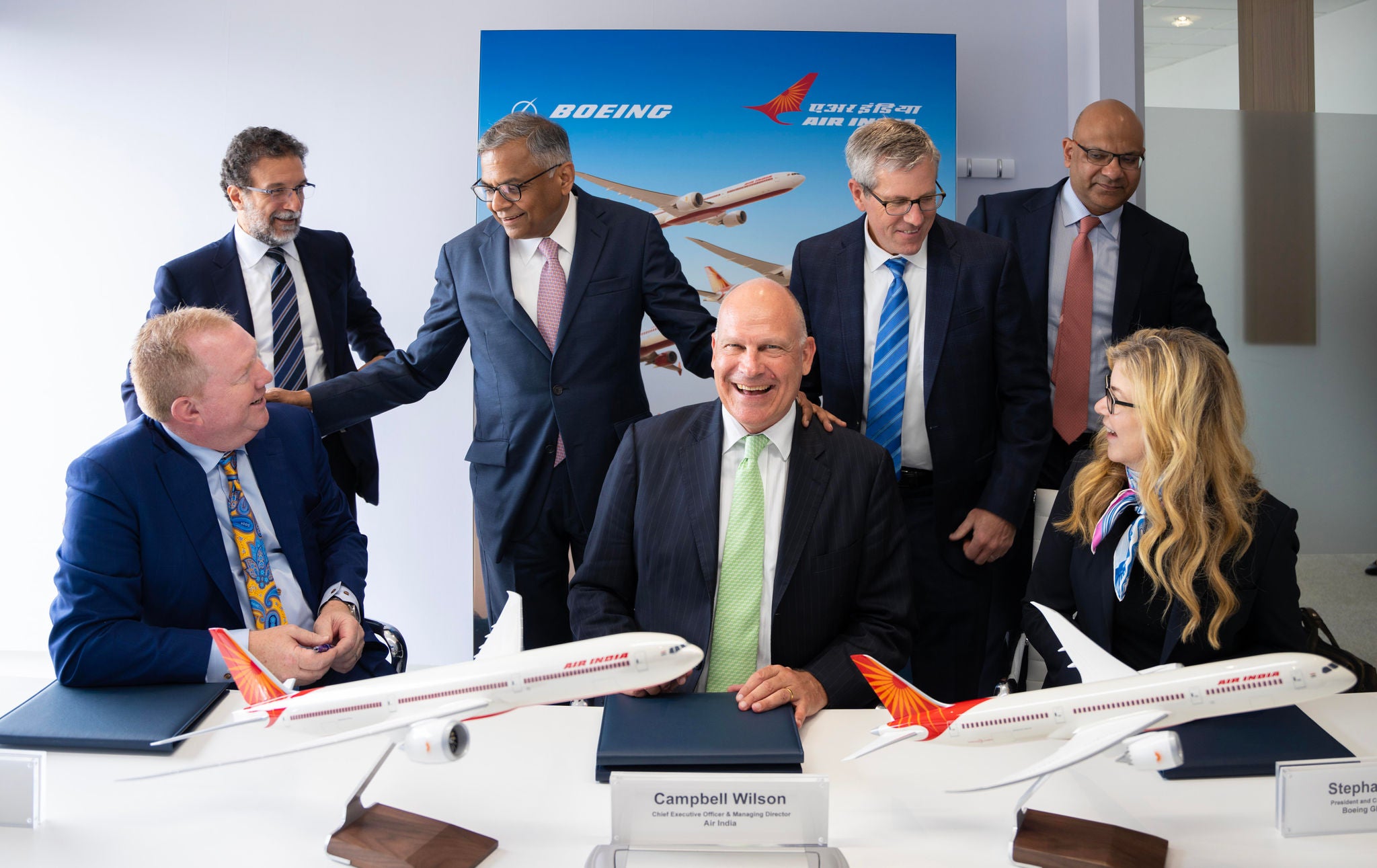
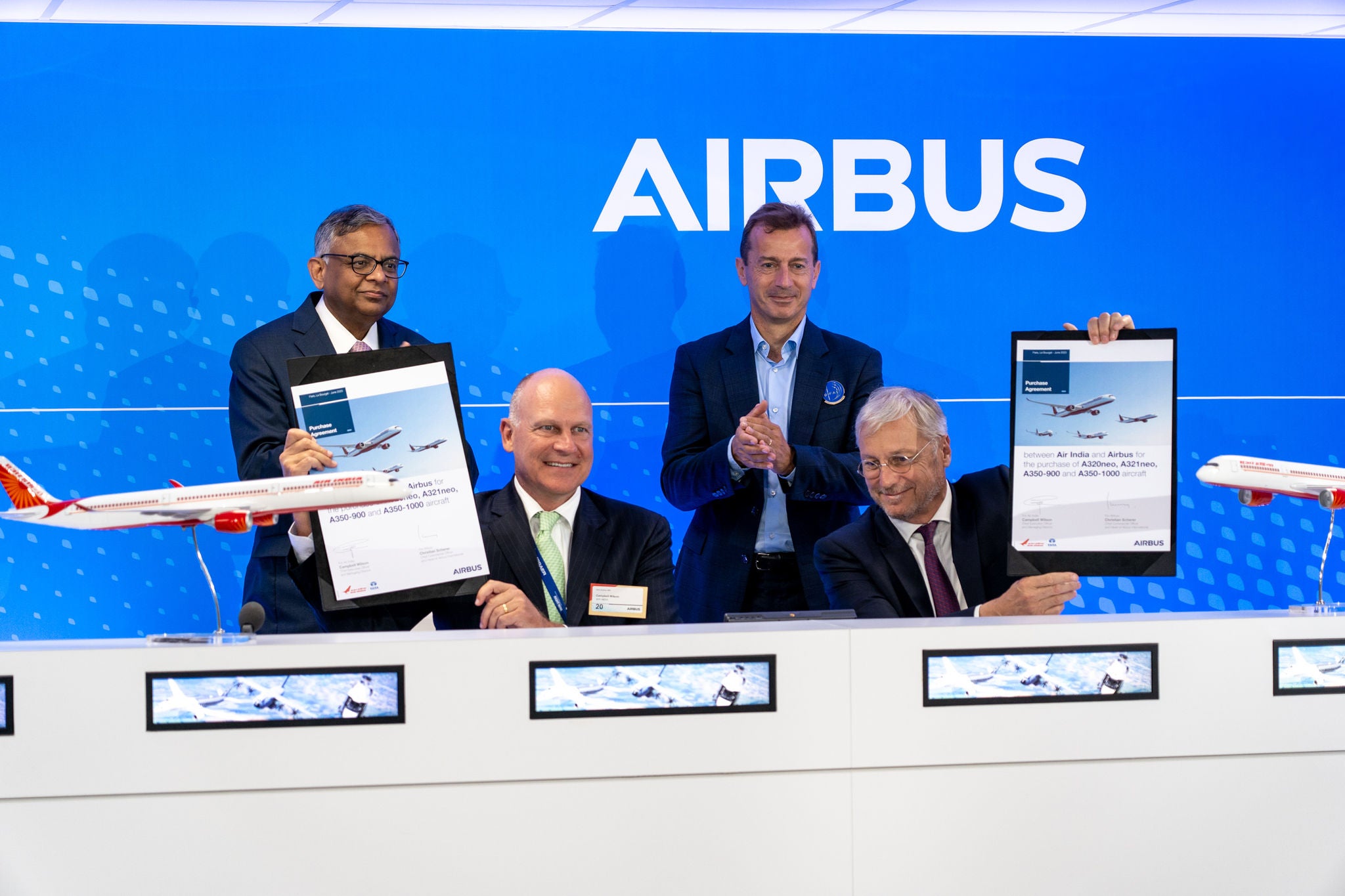
For more than fifteen years prior to privatization, Air India did not place a meaningful aircraft order. Operating a small and aging fleet, the airline lacked flexibility, growth capacity and competitive reach, particularly on long‑haul routes.
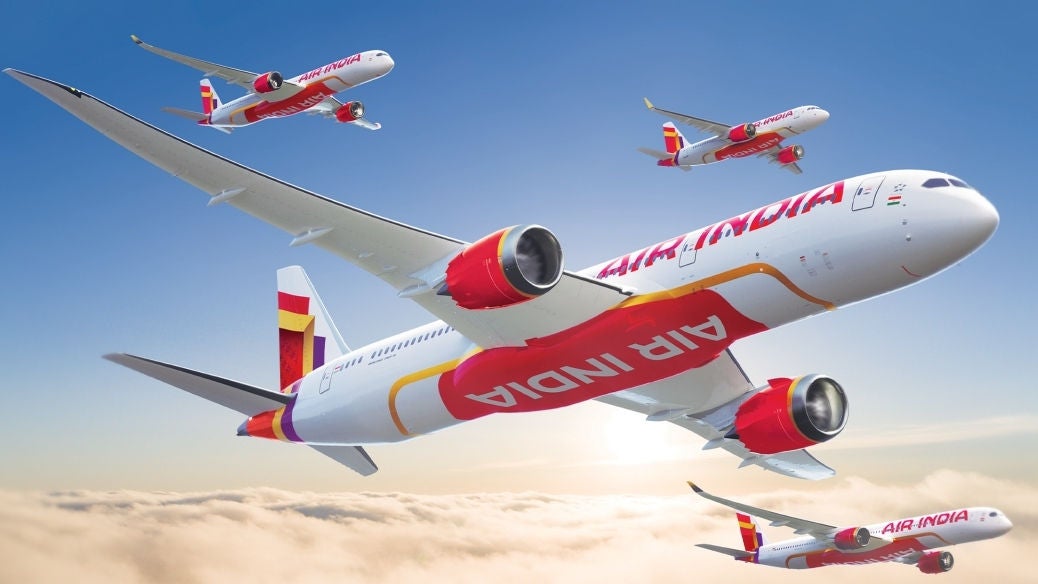
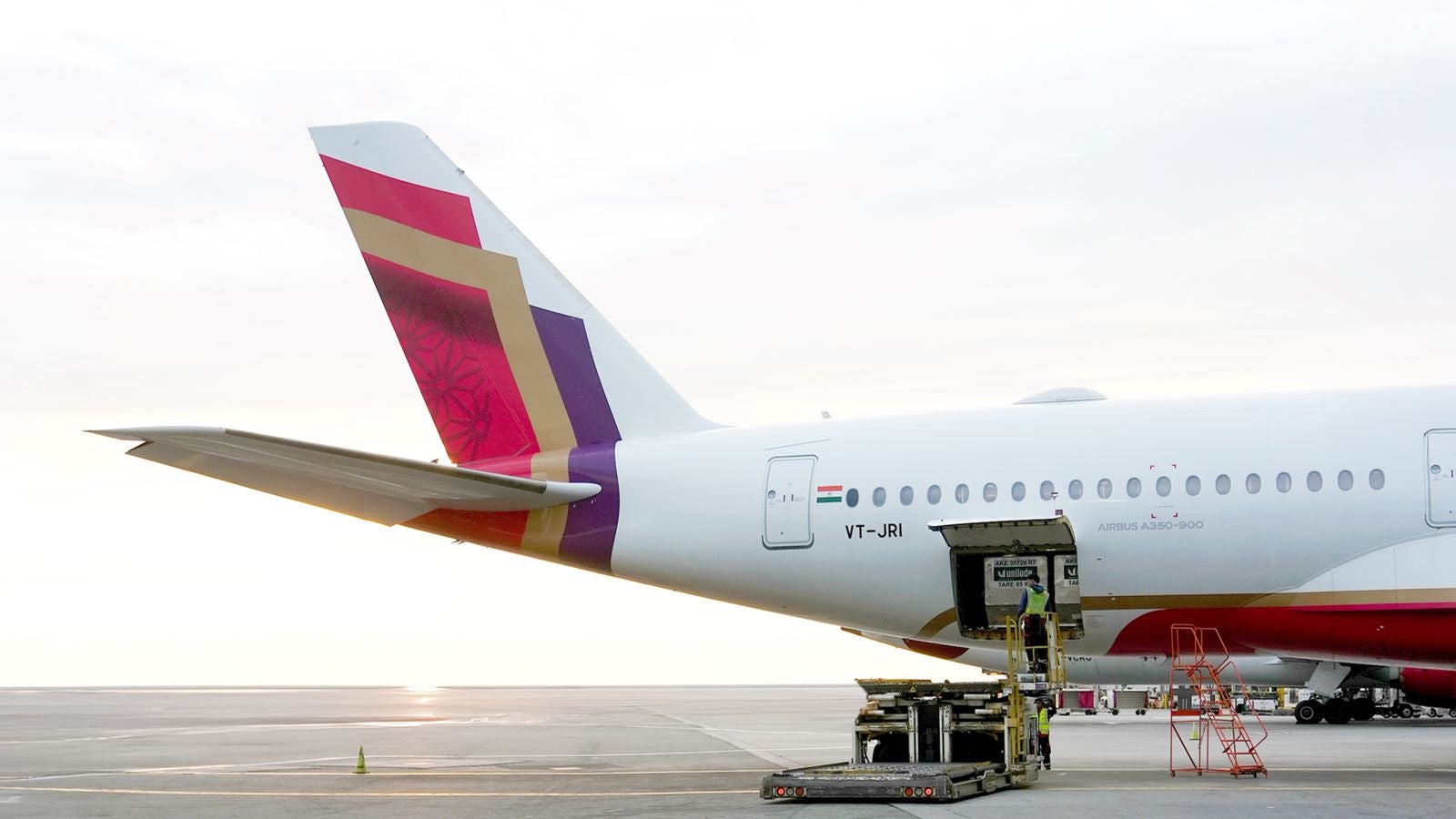
That limitation has been decisively reversed with a cumulative order for 600 new aircraft from Airbus and Boeing, supported in the near term by the induction of 36 leased aircraft. Deliveries are already underway. The fleet plan is intentionally balanced: narrowbody aircraft to densify domestic and short‑haul international markets, combined with small, medium and large widebody aircraft aligned to long‑haul expansion and hub‑based growth.
This shift altered the airline’s trajectory. Scale moved from being a constraint to becoming a strategic lever, creating the foundation for sustained expansion in line with India’s growing aviation demand.
Key Highlights -
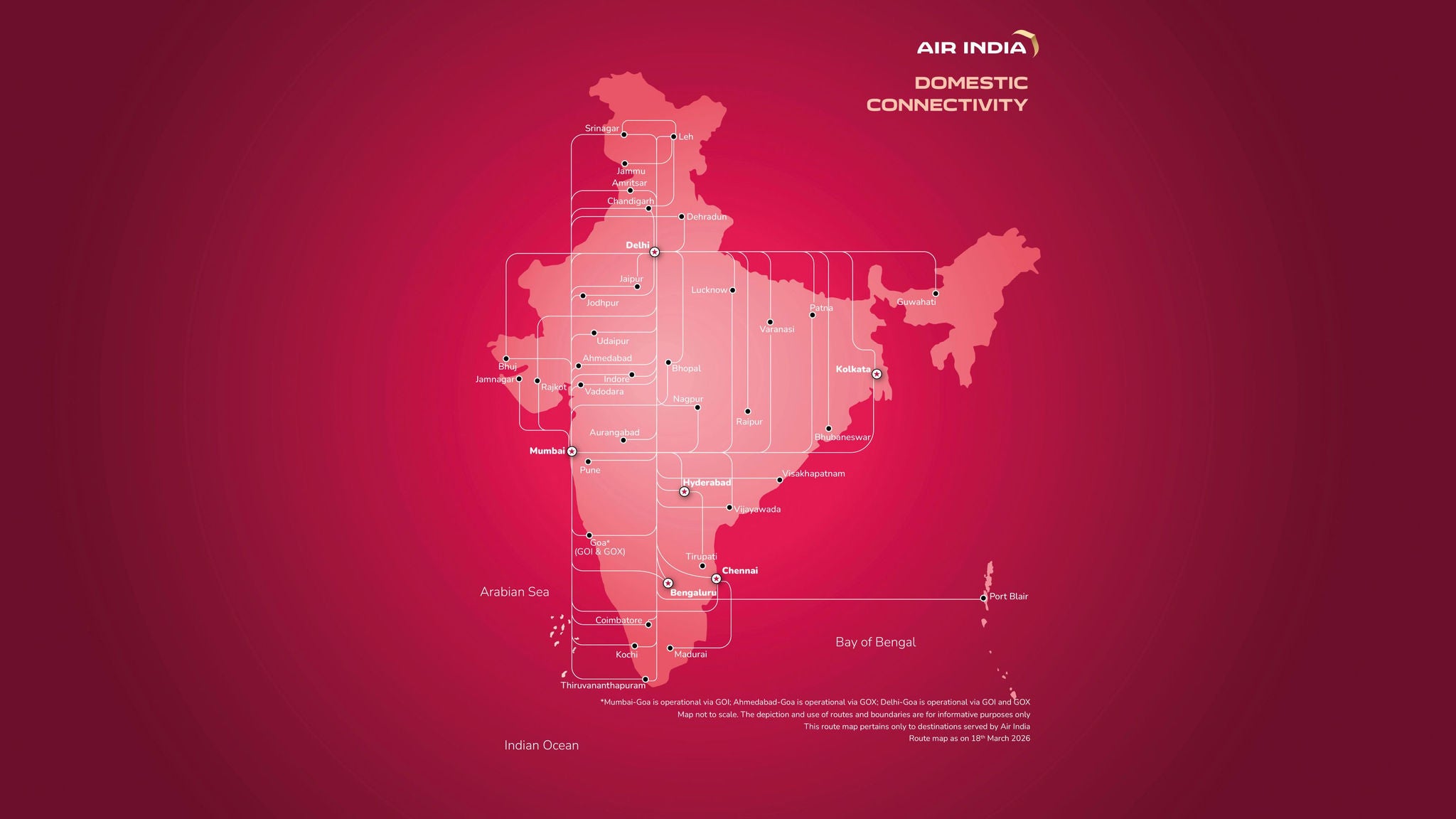
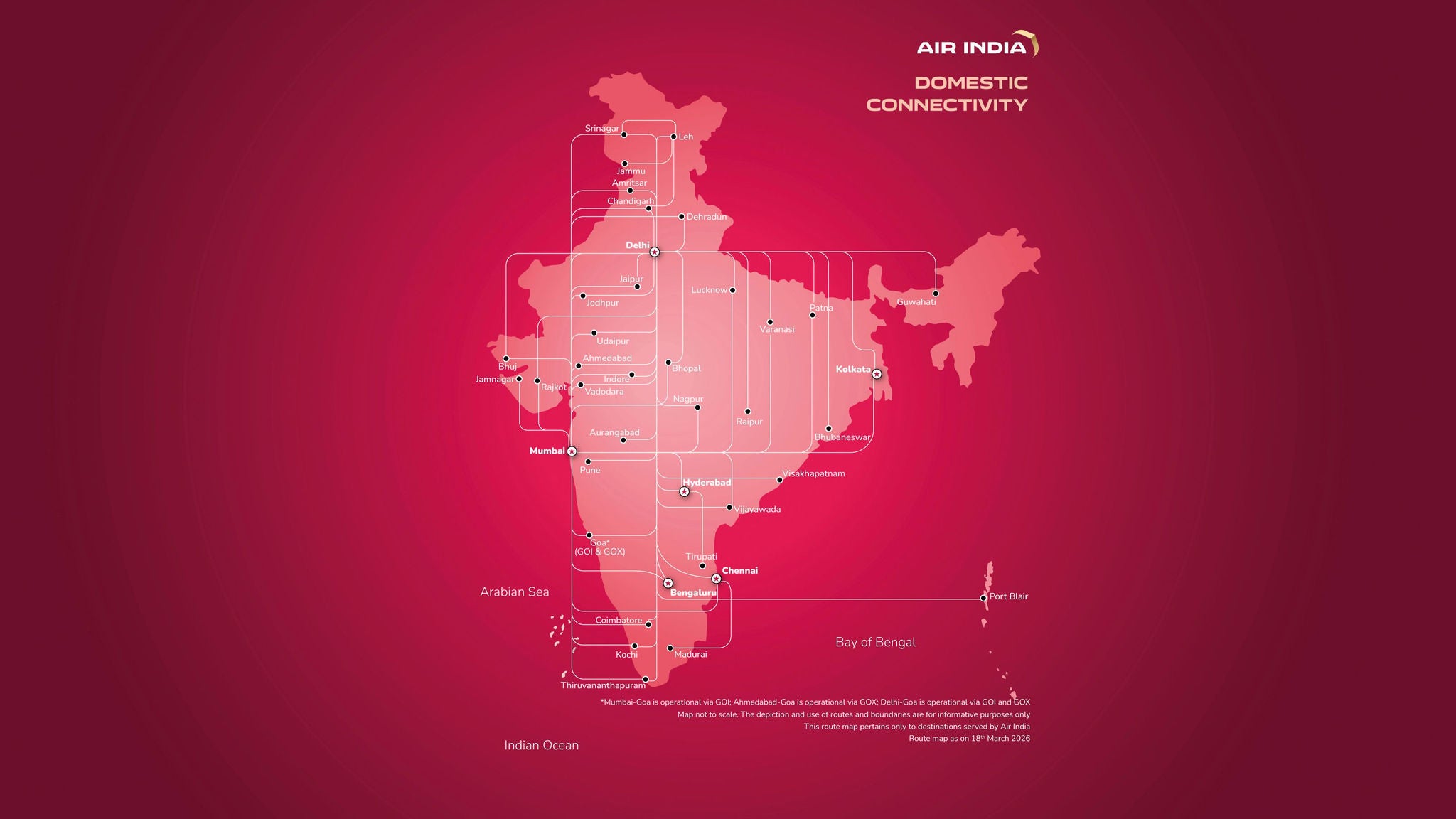
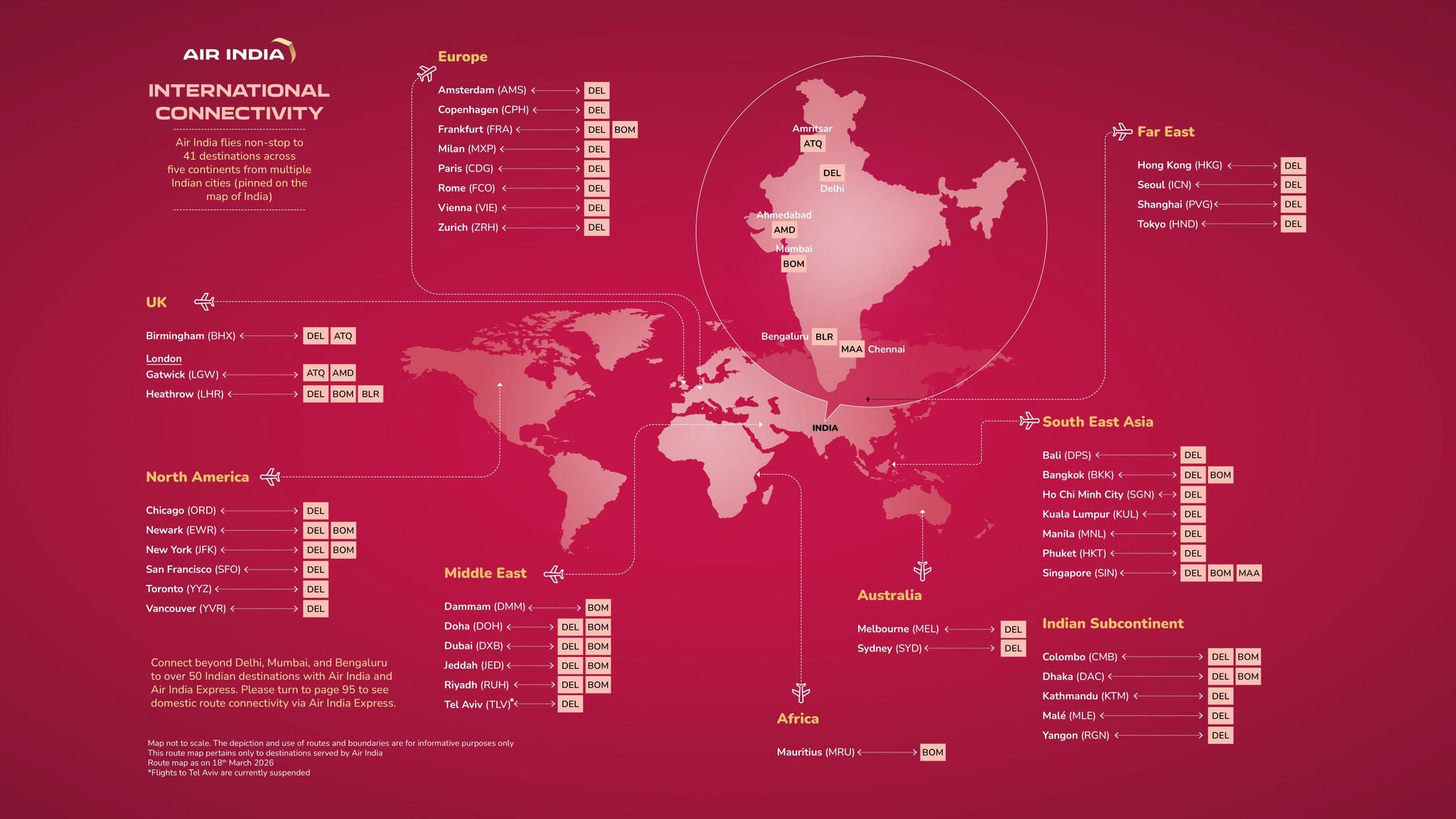
Fleet growth alone does not define competitiveness. The more consequential shift has played out in Air India’s network strategy. Over four years, the airline rebuilt its route map from a fragmented and low‑connectivity structure into a coherent, hub‑driven network optimized for flow traffic.
The transformation is visible in the data. International‑to‑International connections expanded more than threefold, unlocking a 4.7‑times increase in addressable demand and a 15‑fold rise in connecting traffic across the international system. More than 1,250 city pairs are now linked into Air India’s international network, with average Domestic‑to‑International connection times reduced to 3 hours and 30 minutes.
Market impact followed. Long‑haul market share increased from roughly 16% to about 22%, marking a significant shift in volume and relevance. Within the group, overlapping short‑haul international routes between Air India and Air India Express were eliminated entirely, reducing duplication and clarifying network roles.
Key Highlights -
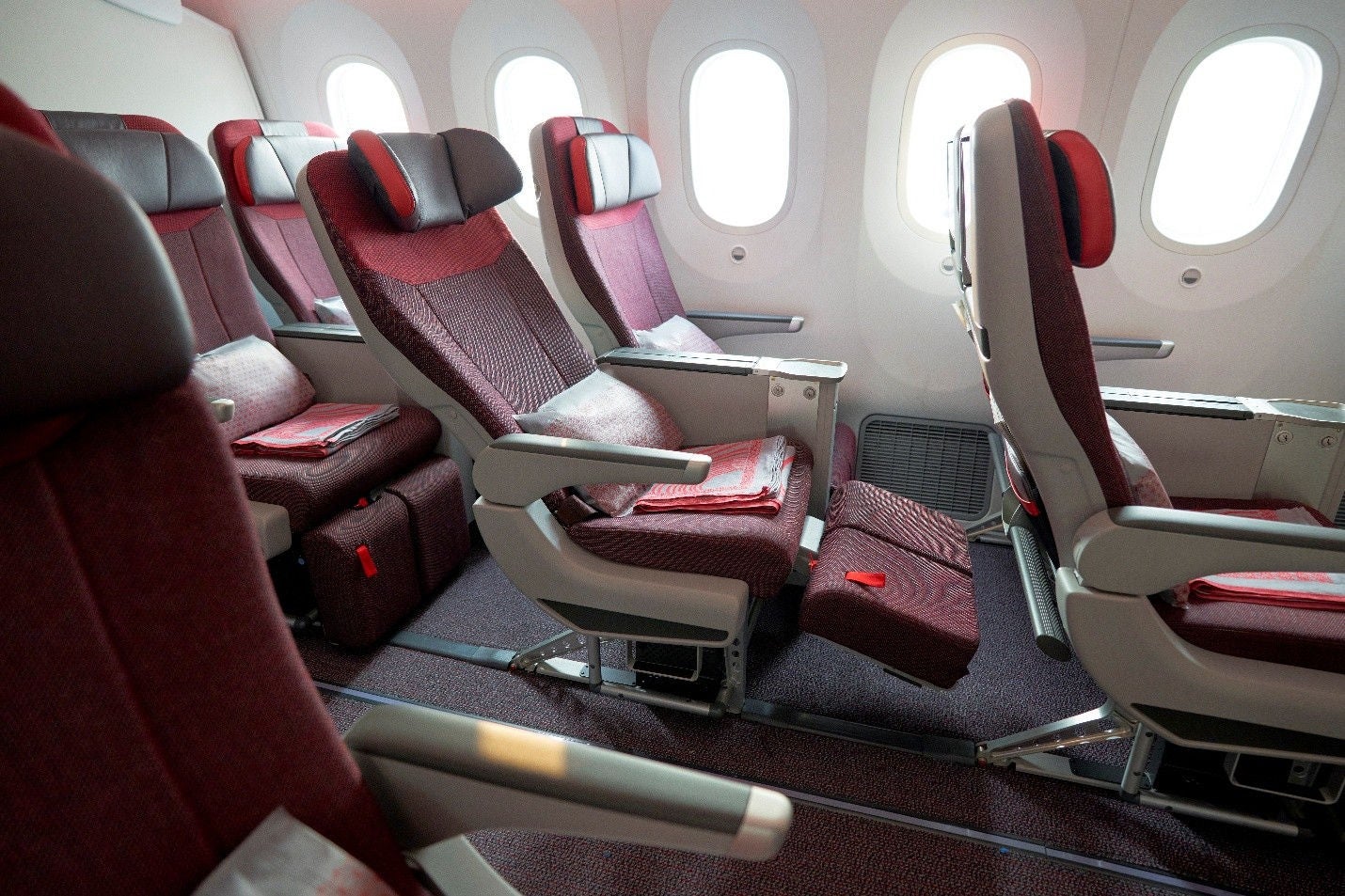
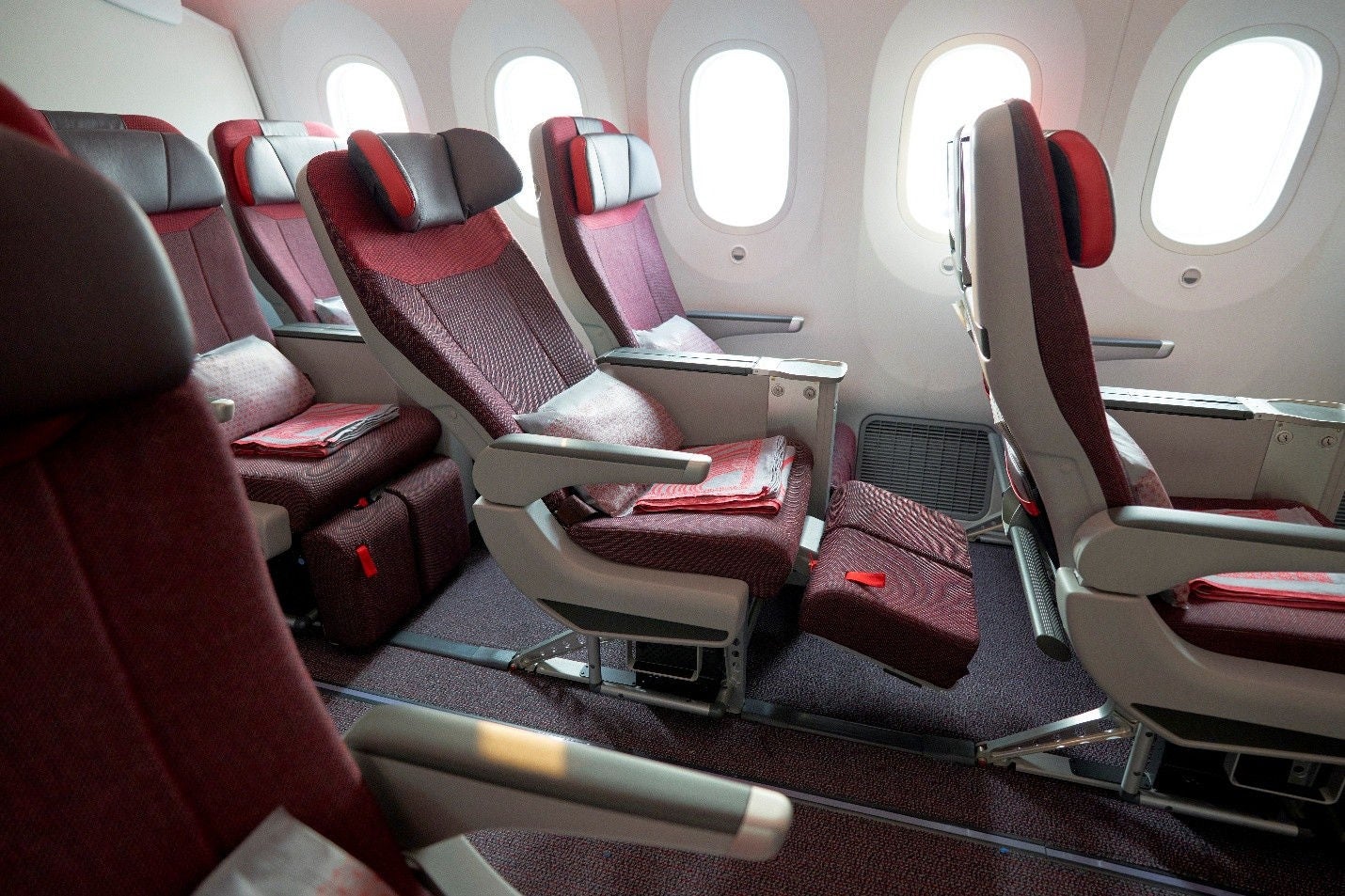
A visibly central pillar of Air India’s commercial revival has been premiumisation. Years of underinvestment had eroded the airline’s appeal among business and high‑yield leisure travellers. That erosion has been reversed through product, pricing and cabin strategy.
The introduction of Premium Economy, combined with new aircraft deliveries and wide‑scale retrofitting, tripled the number of premium seats available for sale. Premium seat sales have doubled since privatization, signalling renewed confidence from travellers willing to pay for quality and consistency.
This shift extended into loyalty. The legacy Flying Returns program was rebuilt as Maharaja Club, transitioning from a miles‑based model to a spend‑based structure aligned to global best practices. The program recorded four‑fold growth in membership, a 160 % increase in active members, and nearly 100 new partnerships across travel, lifestyle and financial services. Integration of Air India Express into the same loyalty ecosystem is underway, further expanding network value for frequent travellers.
Key Highlights -
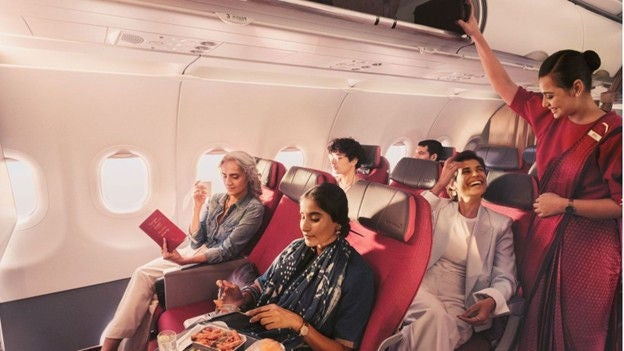
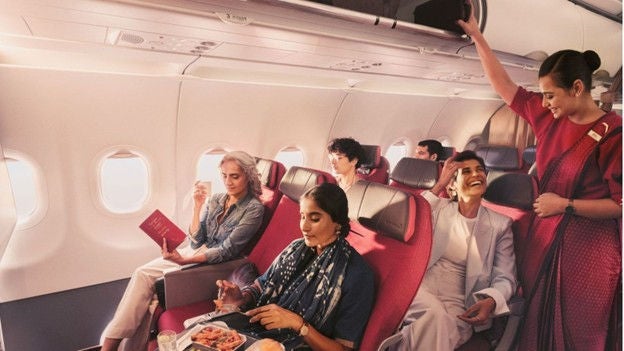
Parallel to network and product renewal, Air India restructured how it sells. Legacy distribution practices were replaced with a modern, retail‑driven commercial model centered on personalization, transparency and reach.
The airline became the first Indian carrier to implement New Distribution Capability, allowing bundled offers, dynamic pricing and direct access to ancillaries. Distribution was expanded through global GDS platforms, while direct channels were rebuilt via a native booking engine, redesigned mobile app, expanded payment options and multilingual, multi‑currency capabilities.
Commercial returns have been material. Direct passenger share increased from 15% in FY24 to 20% in FY26, while app bookings rose from 5% to 20% of direct sales. A sharper focus on upsell and cross‑sell delivered twice the revenue per passenger on direct channels compared with indirect ones. Overall passenger revenue grew 1.6 times, and ancillary revenue expanded 2.6 times.
Key Highlights -
A parallel effort reshaped Air India’s sales infrastructure. From a limited and inconsistent footprint, the airline rebuilt a global commercial presence with dedicated teams across 25 Indian cities and strengthened regional organizations in North America, Europe, the Middle East, Asia‑Pacific and Australia. More than 20 General Sales Agents were appointed in strategically important international markets.
Corporate traction followed quickly. Air India moved from just 150 corporate clients in April 2023 to over 2,100 today, and embedded itself into 400 plus corporate travel programs, restoring visibility and trust among global travel managers.
Key Highlights -
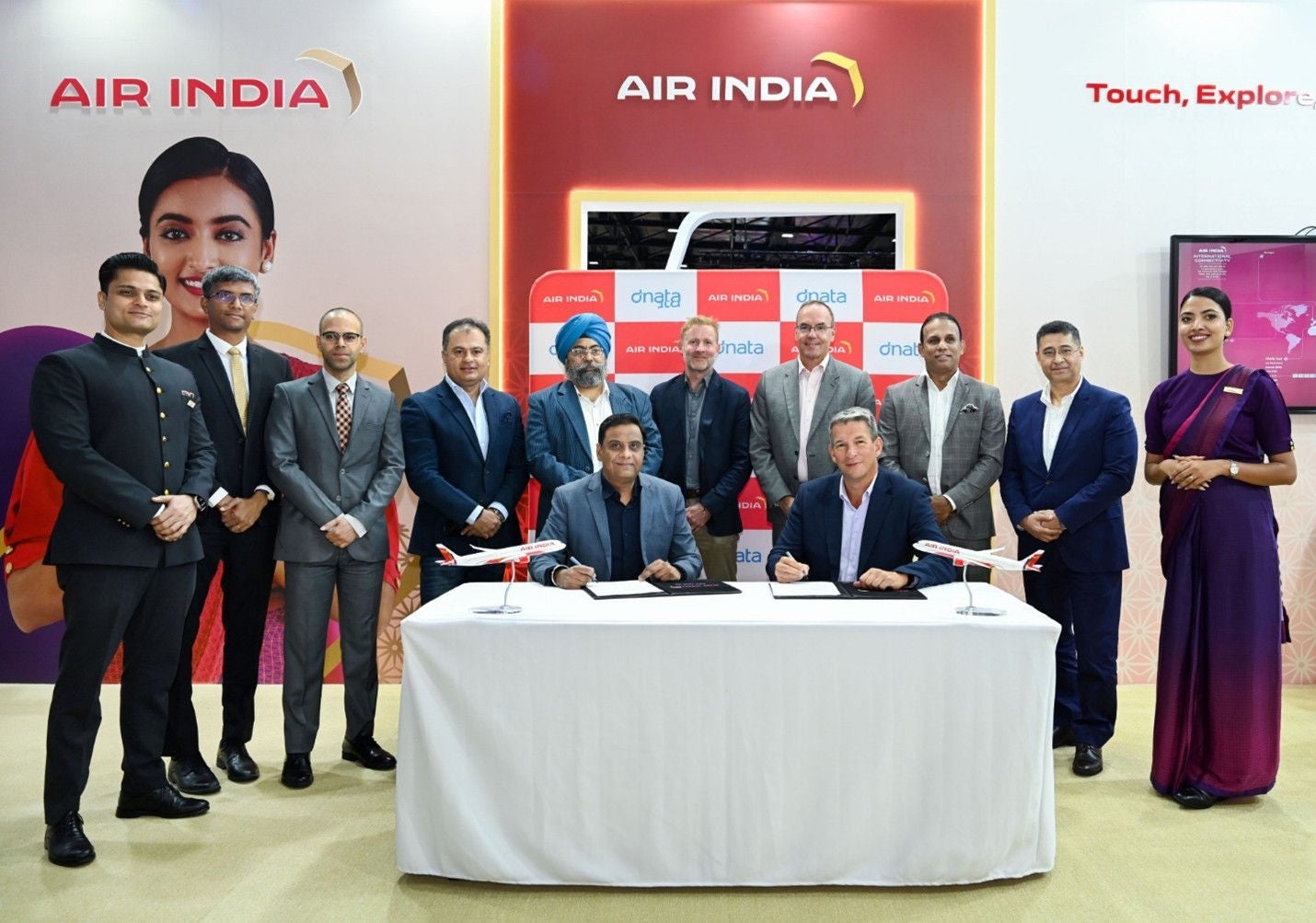
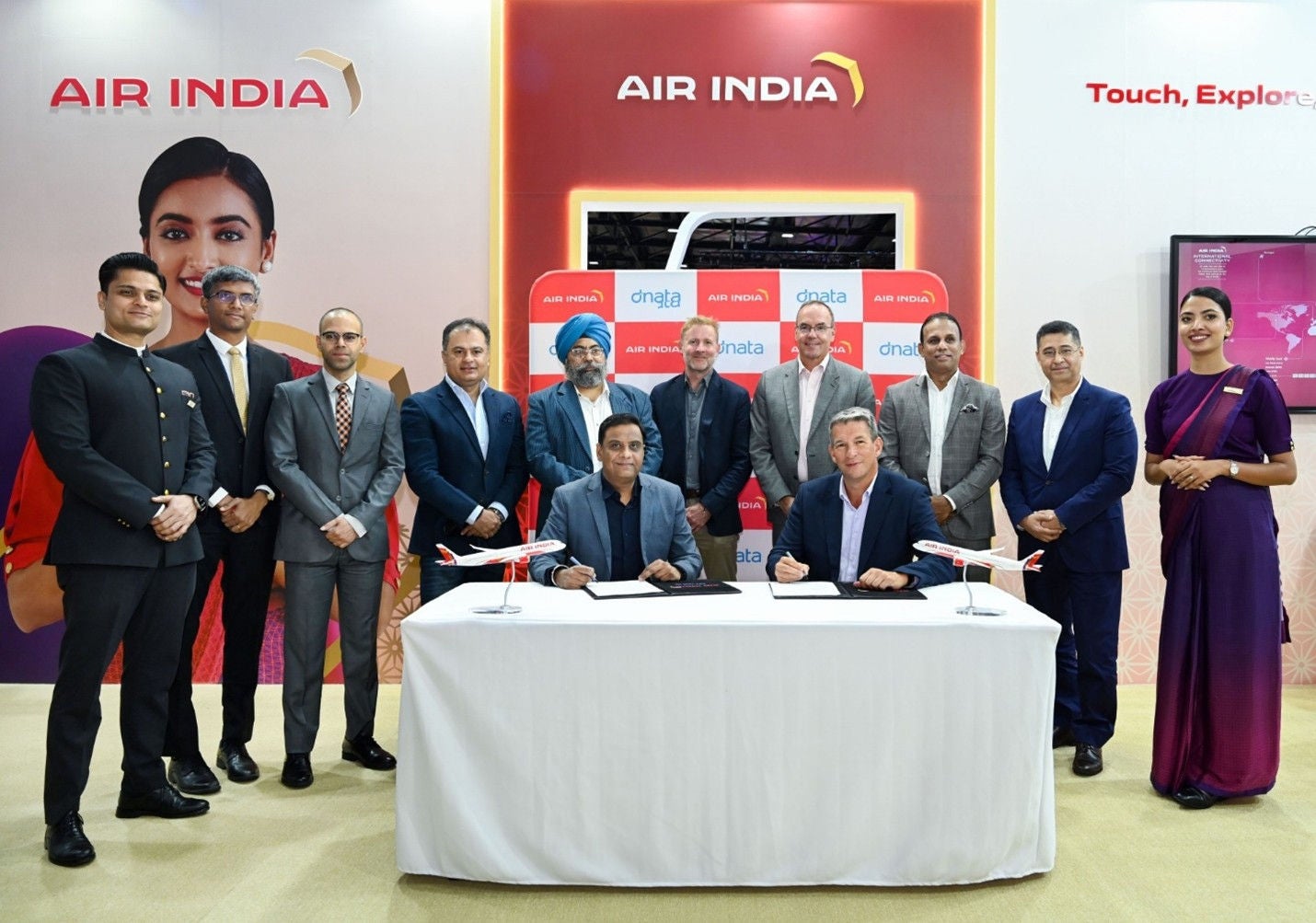
Once largely absent from codeshare and interline ecosystems, Air India rebuilt partnerships as a core commercial asset. The airline now maintains 25 codeshare agreements and over 100 interline partnerships, extending reach to more than 800 global destinations.
The effect has been measurable. Partnership traffic flows increased 2.5 times, while alliance billings rose 3.5 times, accelerating Air India’s reintegration into global aviation networks and improving feed across hubs.
Key Highlights -


Cargo, historically treated as a support function, has been repositioned as a growth engine. Since FY22, cargo revenues grew 1.74 times at a 20% compound annual growth rate, while volumes doubled.
Three legacy systems were consolidated into a single integrated cargo platform. Road feeder services expanded to 231 destinations, while pharma‑grade, temperature‑controlled capabilities earned GDP certification, positioning the airline in a high‑growth cargo segment. Operational upgrades include insourced trucking across major regions, 24 by 7 digital customer support, faster ramp transfers and a centralized operations command center. A new cargo revenue management system is scheduled to go live in mid‑2026, reinforcing cargo’s long‑term role in profitability.
Key Highlights -
Taken together, these changes represent more than a turnaround. They reflect the construction of a new commercial architecture. Scale has been restored. The network rebuilt. Premium value reclaimed. Retailing modernized. Sales and partnerships globalized. Cargo elevated from auxiliary to strategic.
For an airline long defined by missed opportunity, the shift is consequential. Air India is no longer attempting to catch up. It is repositioning itself to compete on structurally equal terms, at a moment when India’s aviation market is reshaping global travel flows.