Air India’s transformation is more than a story of aviation growth in India. It is the story of an airline returning home, and being rebuilt almost from the ground up.
When the Tata group reacquired Air India in January 2022, it inherited not just a national carrier, but one of the most complex turnaround challenges in global aviation. The Economist described it as “the Everest of corporate turnarounds”, a characterisation that reflected the reality on the ground.
At the point of privatisation, Air India was operational, but fragile.
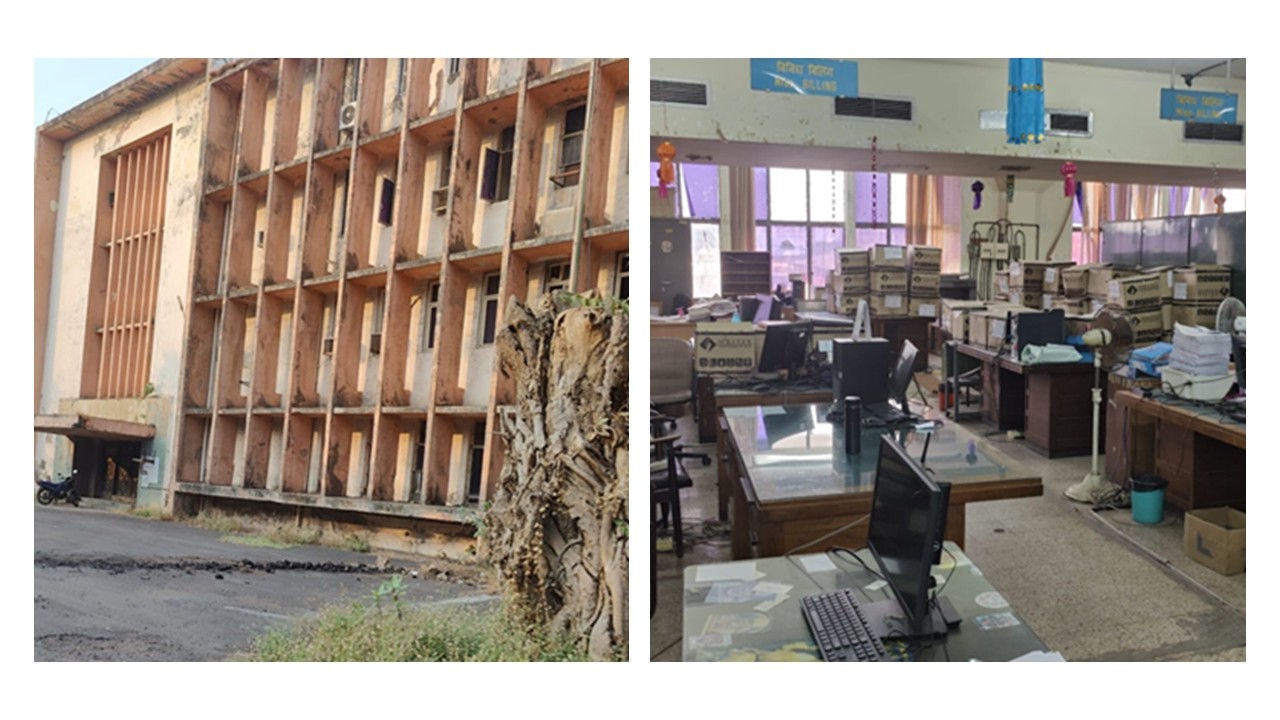
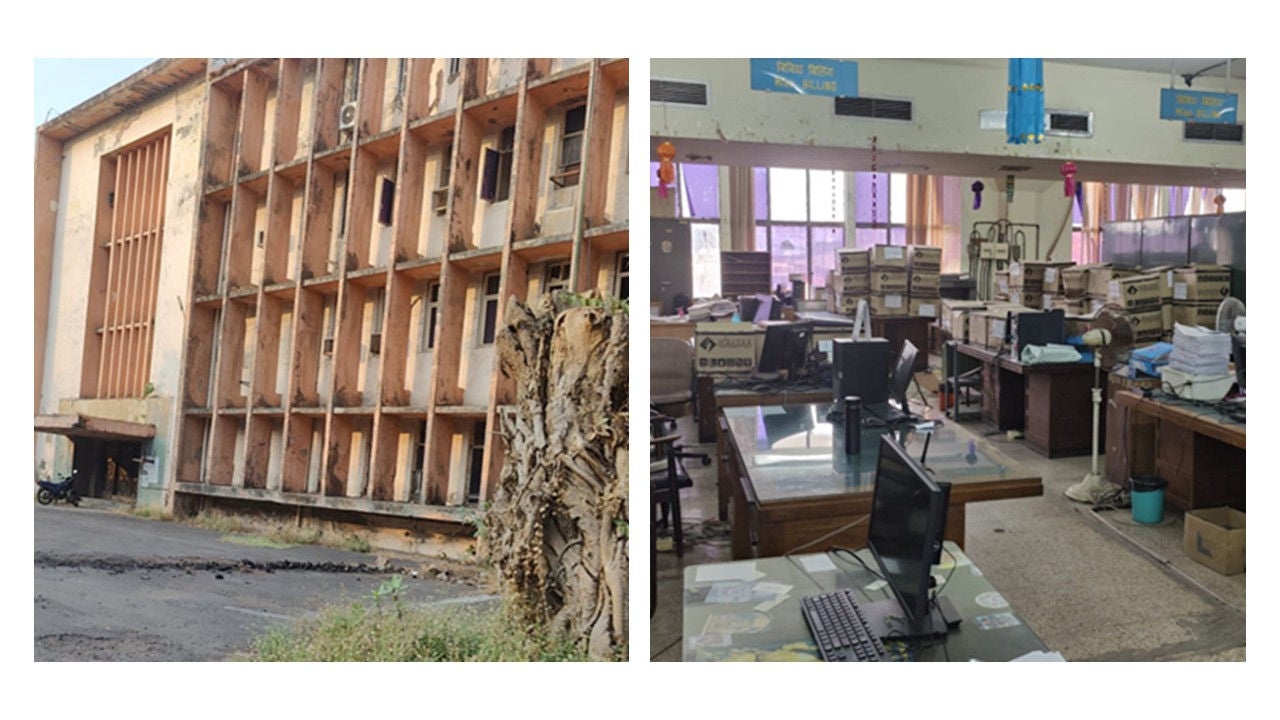
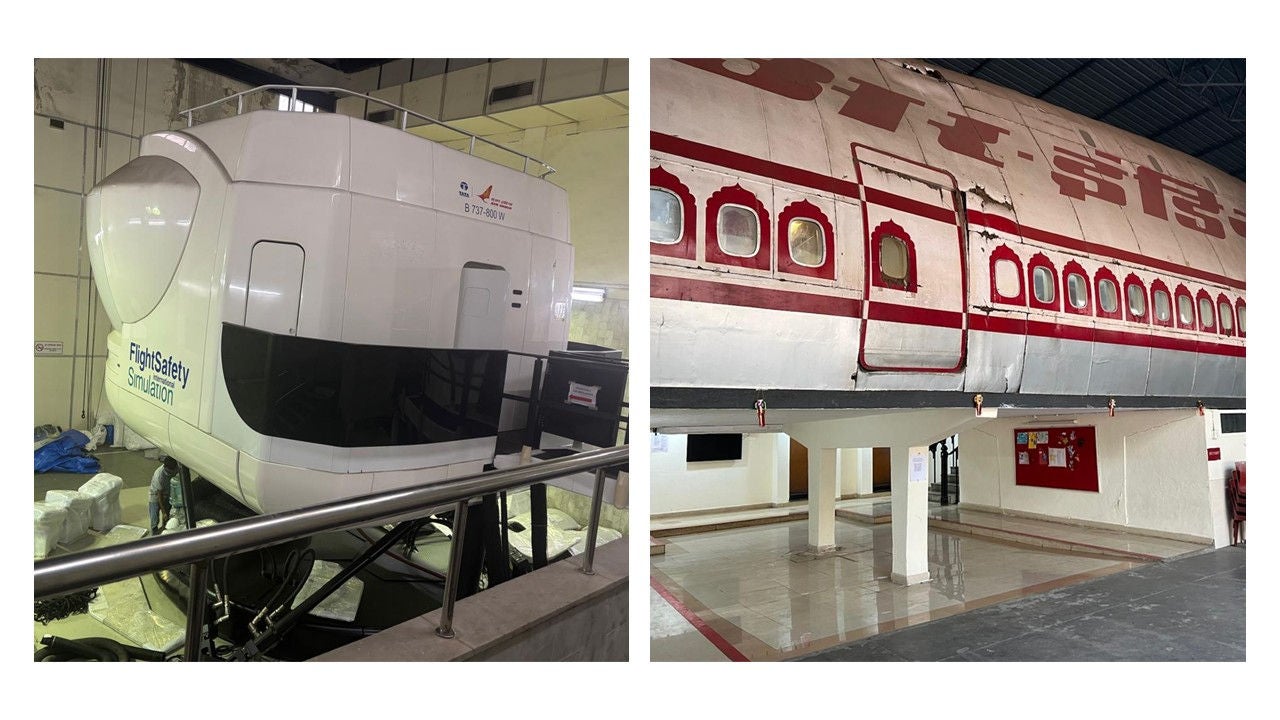
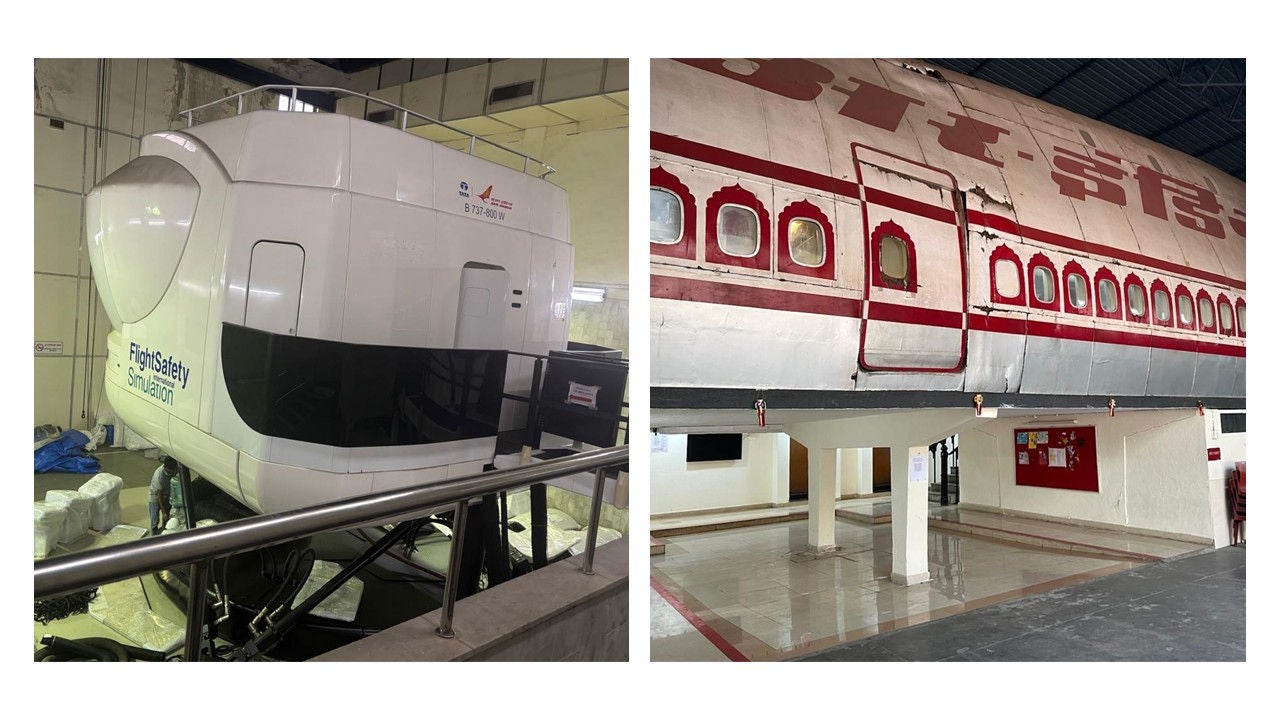
Years of underinvestment had significantly weakened the airline’s foundations. Facilities were poorly maintained and fragmented across more than 60 locations. Core technology systems were obsolete: Air India was the last airline in the world still operating on a long‑obsolete reservations backbone, while its SAP system ran on infrastructure retired elsewhere years earlier. In the absence of reliable corporate email, official business was conducted through more than a thousand private Gmail accounts. Revenue management relied heavily on manual processes.
The fleet reflected similar stress. Nearly one‑third of aircraft were grounded for extended periods, many cannibalised for spare parts just to keep others flying. Aircraft that remained in service suffered from degraded interiors, unreliable inflight entertainment, and an inconsistent onboard experience.
The organisational challenge was equally stark.
Recruitment of non‑flying staff had effectively stopped decades earlier, leaving deep capability gaps across digital, engineering, commercial, and leadership functions. The average employee age stood at around 54, with limited succession or internal talent pipelines. Performance management was weak, job descriptions were scarce, promotions were often tenure‑driven, and governance frameworks were underdeveloped. Financial books took months to close, and policy enforcement was inconsistent.
This was not a business in need of optimisation. It was a business in need of reconstruction.


The first year following privatisation focused on triage, stabilising safety, reliability, and continuity. But it quickly became clear that incremental fixes would not be enough.
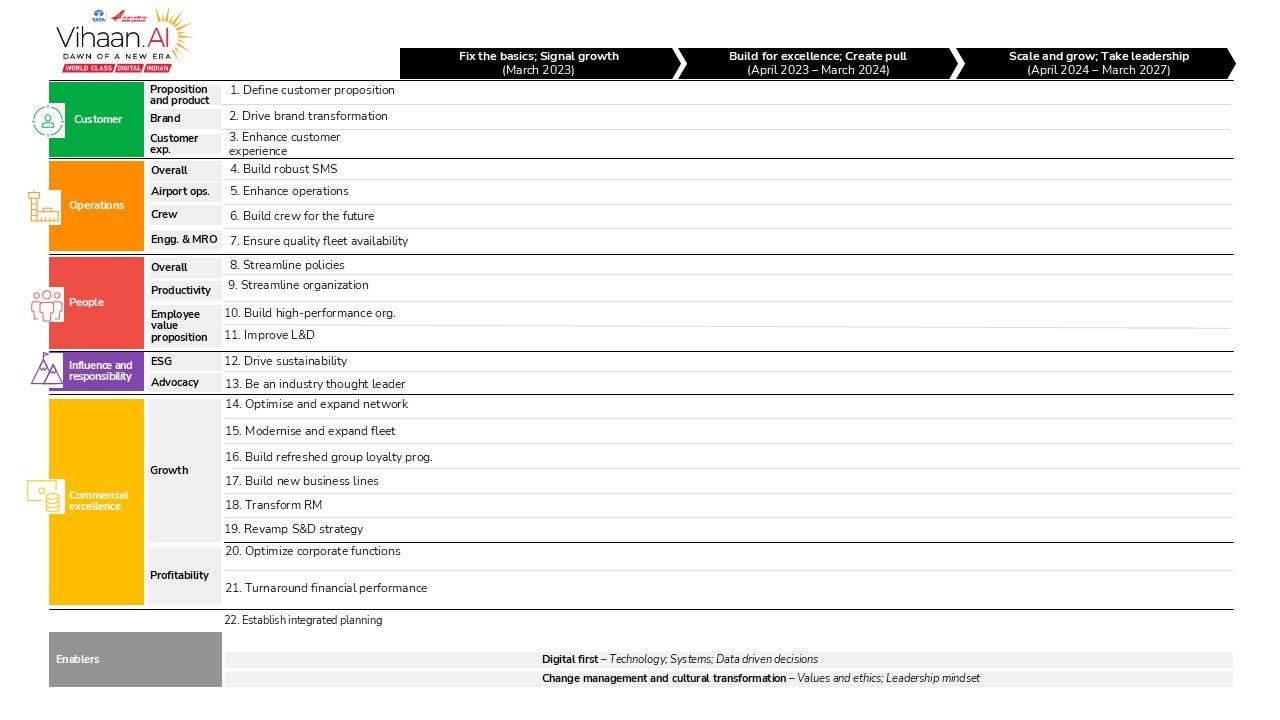
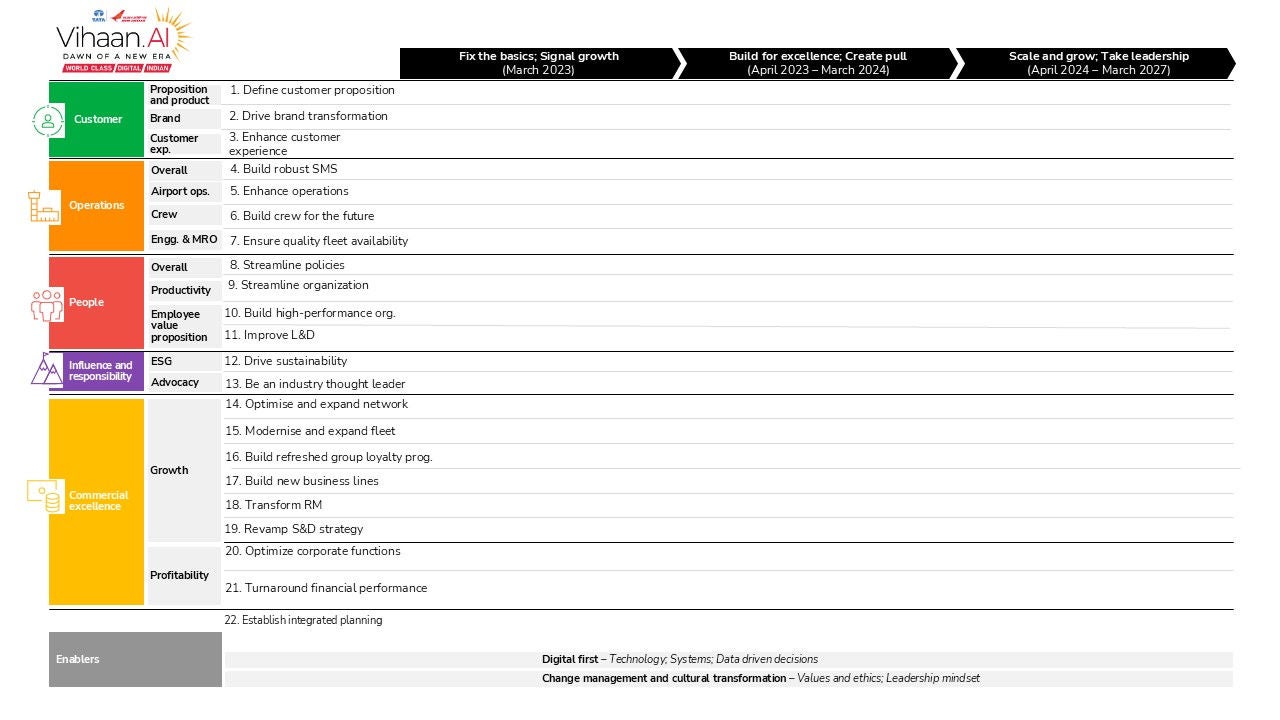
That recognition led to the launch of Vihaan.AI, Air India’s five‑year, end‑to‑end transformation programme with three distinct phases, five pillars and 22 cross‑functional workstreams covering people, fleet, operations, customer experience, digital systems, commercial performance, governance, and ecosystem development, all under strong central oversight.
The ambition is explicit: rebuild the airline’s foundations while restoring growth.
What sets Air India apart is the scale of parallel execution.
While undertaking a complete enterprise rebuild, the airline simultaneously consolidated four airlines into two, inducting roughly one aircraft per week for nearly two years, hiring leadership and specialised talent at scale, replacing core technology platforms, modernising customer‑facing systems, and building an aviation ecosystem spanning training, maintenance, and engineering.
Few airlines globally, and none in India have attempted transformation at this speed, scale, and complexity, while continuing to operate a large domestic and international network.
This is not a story about returning to what Air India once was. It is about building what it must become. The climb up the Everest has begun.