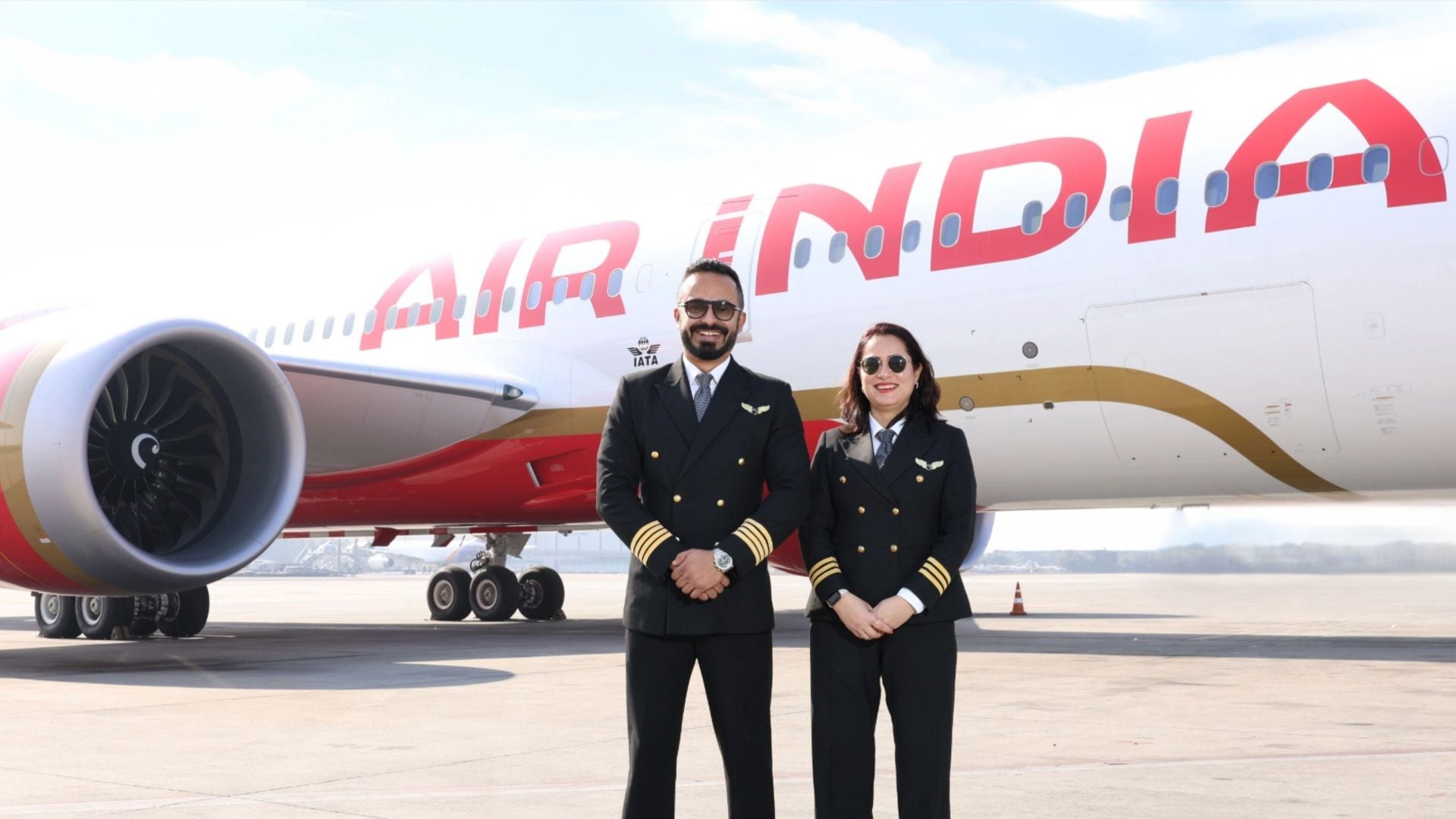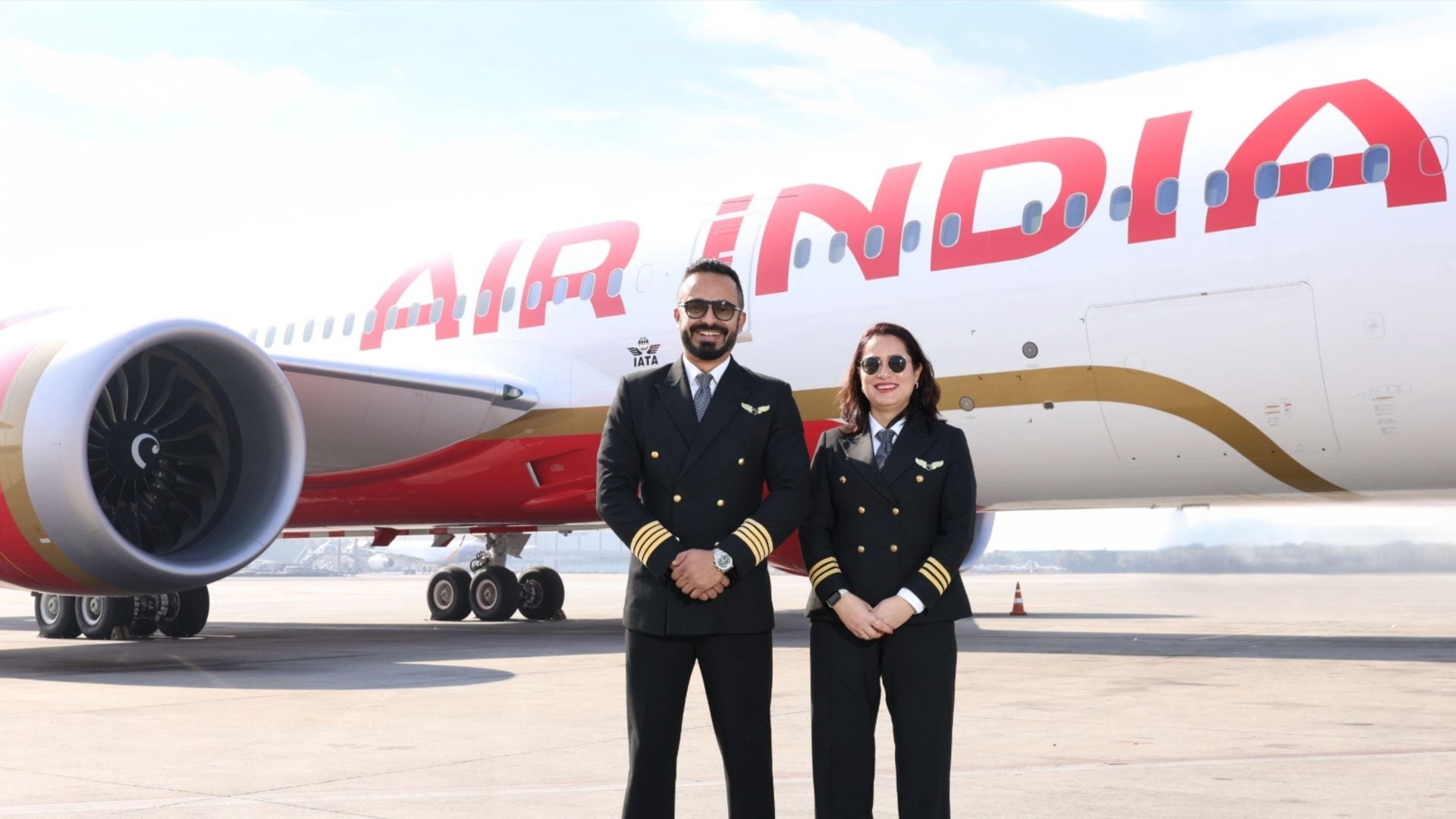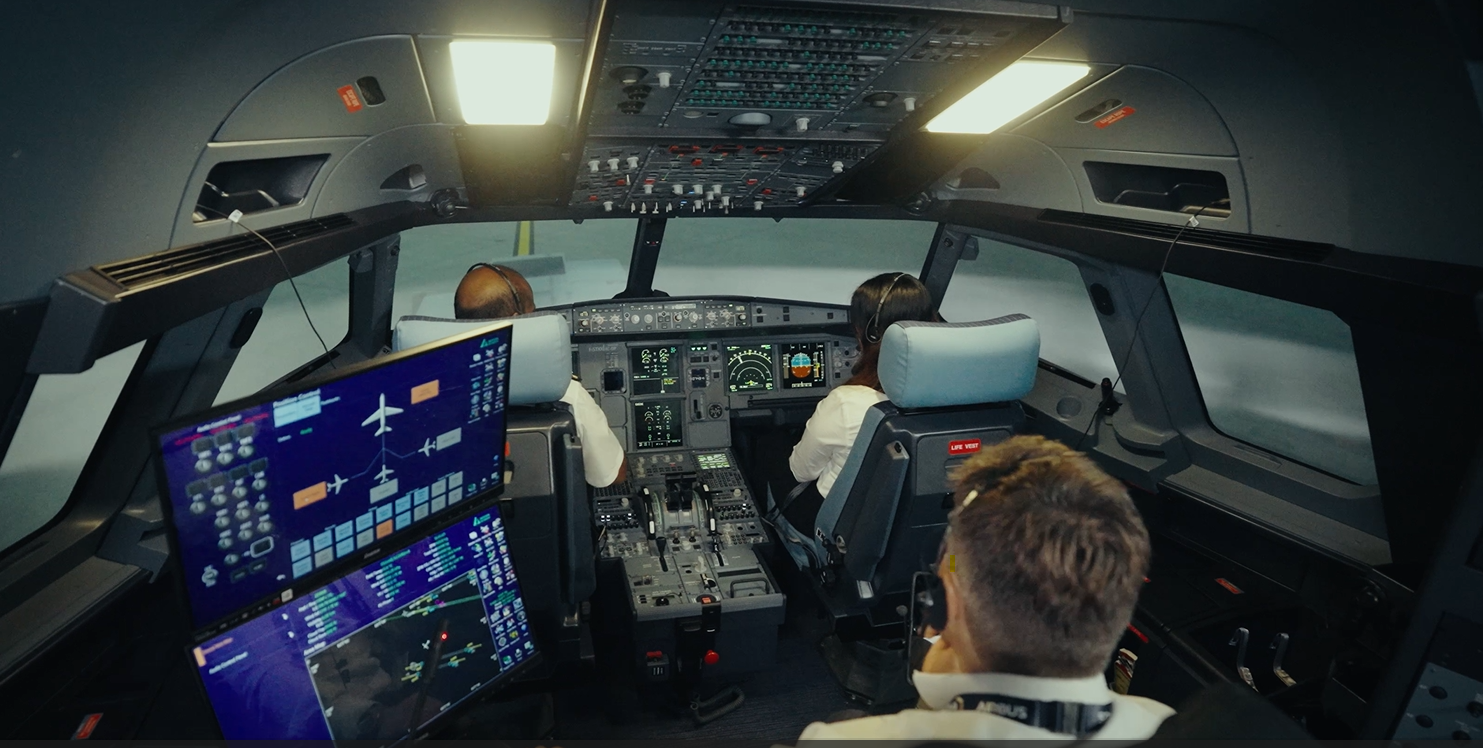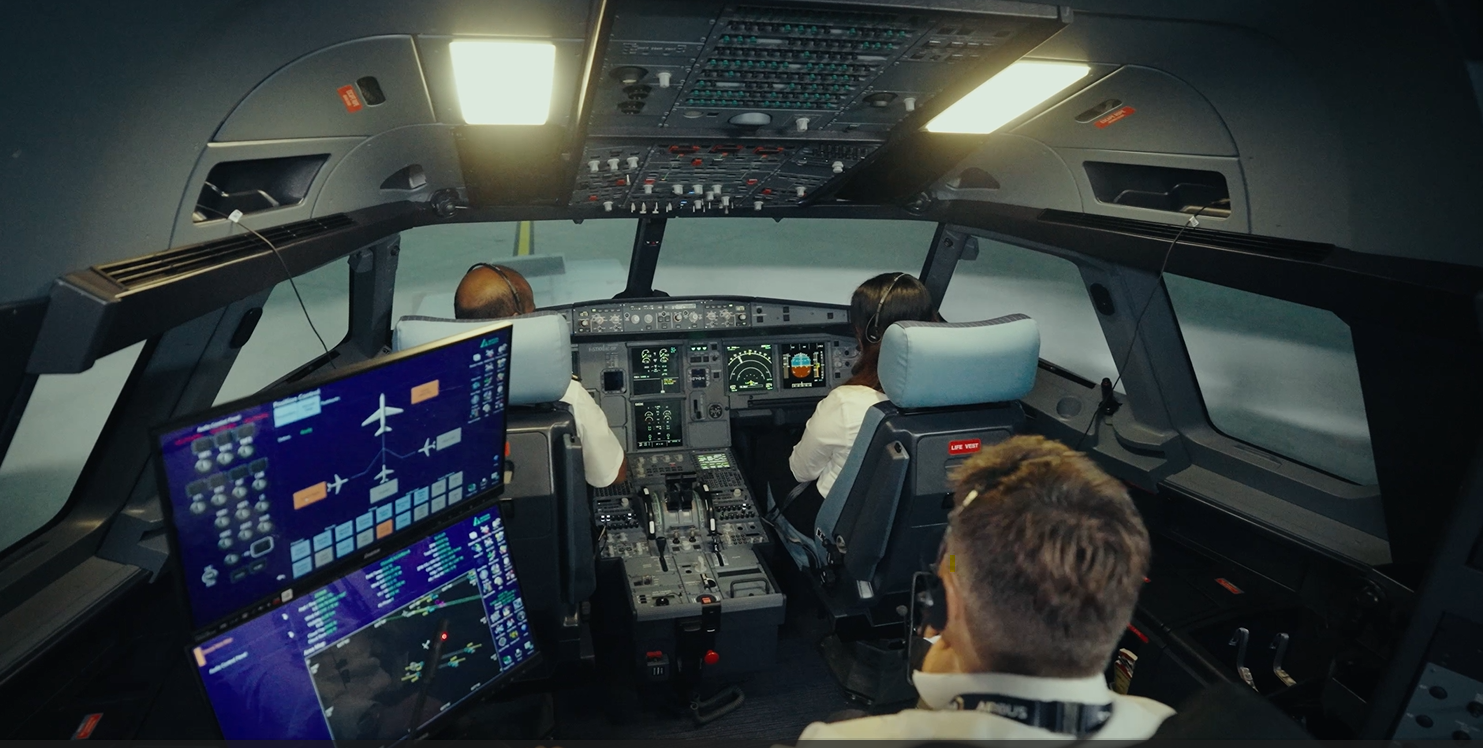
For Air India pilots, safety begins well before an aircraft departs the gate. Every flight is supported by a structured framework of planning, verification, inspection, and preparation, ensuring the highest standards of operational safety. Working in close coordination with engineers, dispatch teams, and operational controllers, Air India pilots play a critical role in safeguarding flight operations at every stage of the journey.
Air India’s commitment to aviation safety is founded on rigorous procedures, continuous training, operational discipline, and multiple layers of oversight. Through its comprehensive Safety Management System (SMS), pilots are equipped to identify potential risks, anticipate contingencies, and make informed decisions that support safe, efficient, and reliable operations. This proactive approach helps ensure that safety remains the cornerstone of every flight.
Every Air India flight begins with meticulous preparation by the operating pilots. Before reporting to the aircraft, pilots conduct a thorough review of the flight plan, weather conditions, route information, cargo details, and the aircraft’s technical status.
This comprehensive process enables pilots to assess operating conditions, identify potential risks, and develop contingency plans for any changes that may occur during the flight. From evaluating weather systems and airport conditions to verifying aircraft performance requirements, detailed pre-flight planning forms a critical layer of Air India’s safety framework.
By gaining a complete understanding of the flight environment before departure, Air India pilots are well equipped to manage routine operations and respond effectively to unexpected situations. This proactive approach enhances situational awareness, supports sound decision-making, and reinforces Air India’s unwavering commitment to operational safety.
Air India maintains stringent standards for pilot fitness and operational readiness. Before every flight, pilots undergo mandatory pre-flight alcohol screening in accordance with DGCA regulations and the airline’s strict
policy. These checks form a critical component of Air India’s safety framework, helping ensure that pilots are fit to safely perform their duties.
Safe flight operations depend not only on technical proficiency but also on physical fitness, alertness, situational awareness, and sound judgement. Air India’s safety culture places strong emphasis on ensuring that pilots report for duty fully prepared to operate safely, responsibly, and professionally.
By upholding the highest standards of fitness and readiness, Air India reinforces its commitment to maintaining safe, reliable, and efficient flight operations on every journey.
Even after extensive inspections and maintenance checks have been completed by Air India’s engineering teams, pilots conduct their own independent checks on the aircraft before every flight.
During the pre-flight walkaround inspection, pilots carefully assess the aircraft’s exterior condition, including the fuselage, engines, wings, landing gear, and flight control surfaces. This critical verification process enables pilots to independently confirm that the aircraft is in a condition suitable for safe operation.
By combining rigorous engineering oversight with direct pilot verification, Air India applies multiple layers of safety assurance before every departure. This collaborative approach strengthens operational reliability and reinforces Air India’s commitment to the highest standards of aviation safety.
Inside the flight deck, Air India pilots carry out a comprehensive cockpit serviceability check before every flight. Critical aircraft systems, flight instruments, communication equipment, navigation systems, and operational displays are thoroughly verified to ensure they are functioning as intended.
Any discrepancies or concerns identified during these checks are addressed in accordance with established Standard Operating Procedures (SOPs) before the aircraft proceeds for departure. This rigorous verification process which includes the maintenance checks provides an additional layer of assurance that all essential systems are operating correctly and safely.
These cockpit preparations are a vital component of Air India’s operational safety framework, ensuring that pilots have complete confidence in the aircraft’s systems before departure. Through meticulous attention to detail and strict procedural compliance, Air India reinforces its commitment to the highest standards of safety, reliability, and operational excellence.
Once all safety checks have been completed, pilots configure the aircraft for the planned flight in accordance with detailed Standard Operating Procedures (SOPs) and prescribed checklists. Throughout this process, critical information is independently cross verified by all the
operating pilots to ensure accuracy, consistency, and adherence to operational requirements.
Fuel calculations, navigation data, aircraft configuration settings, and flight documentation are reviewed systematically before departure. This structured verification process helps minimize the risk of error and ensures that all operational parameters are correctly established for the flight.
By applying rigorous procedures and multiple layers of cross-checking, Air India pilots reinforce a culture of operational discipline and safety. These final preparations provide assurance that the aircraft, crew, and flight plan are fully aligned before take-off, supporting safe, reliable, and efficient flight operations.
Before passengers begin their journey, the Pilot-in-Command formally accepts responsibility for the aircraft and the safe conduct of the flight in accordance with applicable regulations and established procedures. This formal acceptance represents the culmination of a rigorous preparation process and confirms that all operational, technical, and safety requirements have been satisfied.
The decision is supported by the collective efforts of engineers, technicians, dispatch personnel, operational controllers, and pilots, each playing a vital role in preparing the aircraft and flight for departure. Through this collaborative approach, multiple layers of expertise and verification come together to uphold the highest standards of safety and operational excellence.
This final step reflects Air India’s commitment to a robust safety culture, where teamwork, professionalism, and procedural discipline ensure that every flight is prepared to operate safely and efficiently from departure to arrival.
While passengers often see pilots in the flight deck, much of their contribution to safety takes place long before the aircraft leaves the gate.
From analysing weather and operational information to conducting pre-flight inspections, performing safety checks, and verifying aircraft and system readiness, Air India pilots play a central role in ensuring every flight is prepared for departure. Each step is guided by robust procedures, detailed checklists, and a disciplined approach to risk management.
These preparations, combined with recurrent training, rigorous operational standards, and a strong safety culture, form the foundation of Air India’s safety framework. Together, they help ensure that every flight is conducted with the highest levels of safety, reliability, and operational excellence.
At Air India, safety is not a single action or decision. It is a continuous commitment reflected in every stage of flight preparation, every verification performed, and every decision made by the professionals entrusted with taking passengers safely to their destination.
How do Air India pilots contribute to flight safety?
Air India pilots contribute to flight safety by conducting flight planning, reviewing aircraft technical status, completing safety checks, performing aircraft inspections and monitoring operational conditions before and during flight.
What safety checks do Air India pilots perform before departure?
Air India pilots review flight documentation, conduct walkaround inspections, verify aircraft systems, cross-check operating procedures and complete cockpit serviceability checks before every flight.
How are Air India pilots trained?
Air India pilots undergo recurrent training, simulator sessions and regular competency assessments to maintain the highest standards of aviation safety and operational excellence.