This is the third article in a series that explores the foundations of Air India’s transformation. While earlier pieces set the strategic context, this chapter focuses on the operational reset that made transformation possible. In turn, the articles that follow will examine how these changes enabled progress across people, commercial performance, and digital capability.
For years, Air India’s most persistent challenges were not about brand or ambition, but about day‑to‑day execution. What unfolded at airports, inside cockpits, within hangars, and among cabin crew at 35,000 feet defined the airline’s lived reality. Bags went missing. Aircraft waited days for parts. Crews operated under inconsistent rules. Inevitably, reliability suffered and accountability blurred.
Against this backdrop, when the Tata Group assumed ownership in early 2022, repairing operations became both the most urgent and least visible priority. Long before passengers would notice refreshed cabins or new uniforms, the airline had to relearn how to operate as a single, disciplined system.
What followed was a methodical reconstruction of Air India’s operational core - focused deliberately on four critical domains: airport operations, cabin crew, flight operations, and engineering. Importantly, progress would be measured not in announcements, but in metrics.
From many stations to one airline
At takeover, Air India’s airport operations functioned less as a network and more as a loose federation. Eighty‑three stations operated with significant autonomy, resulting in wide variation in procedures, service quality, and decision‑making authority. Consequently, baggage handling was largely reactive, driven by complaints rather than control, while frontline teams often lacked immediate access to policies during live operations.
To address this, the first operational shift was the introduction of network‑wide discipline. Airport operations were reorganised into a single operating model anchored around six fundamentals: training, standard operating procedures, people engagement, leadership visibility, technology enablement, and frontline accountability. As a result, local interpretation gave way to uniform standards.
Baggage reliability quickly emerged as a defining signal of this change. What had once been an after‑the‑fact grievance became a daily indicator of operational health. Performance improved steadily, surpassing the global benchmark of 99.5% and reaching 99.68%.
In parallel, technology reduced friction at the terminal. Self‑service bag drop and digital check‑in shortened queues for passengers. For frontline employees, an Airport Operations chatbot placed the entire policy library at their fingertips, enabling real‑time decision‑making without escalation.
Overseas operations - long a source of inconsistency - were addressed through a global tender that consolidated 18 ground‑handling partners into 11 across 40 international airports. Through standardised contracts, clearer performance metrics, and monthly governance reviews, consistency and accountability were introduced across international stations.
Equally important, communication evolved. A weekly Airport Operations Connect replaced one‑way directives with live, network‑wide dialogue. KPIs were reviewed openly, service failures examined transparently, and corrective actions tracked collectively. Over time, this translated into tangible outcomes: passenger complaints declined from 2.53 per 1,000 passengers in mid‑2023 to 0.9 currently, while customer satisfaction scores for airport experience rose from 3.89 to 4.17 of 5, and cabin cleanliness from 3.71 to 4.29.
Key facts:




Resetting the Cabin Crew model
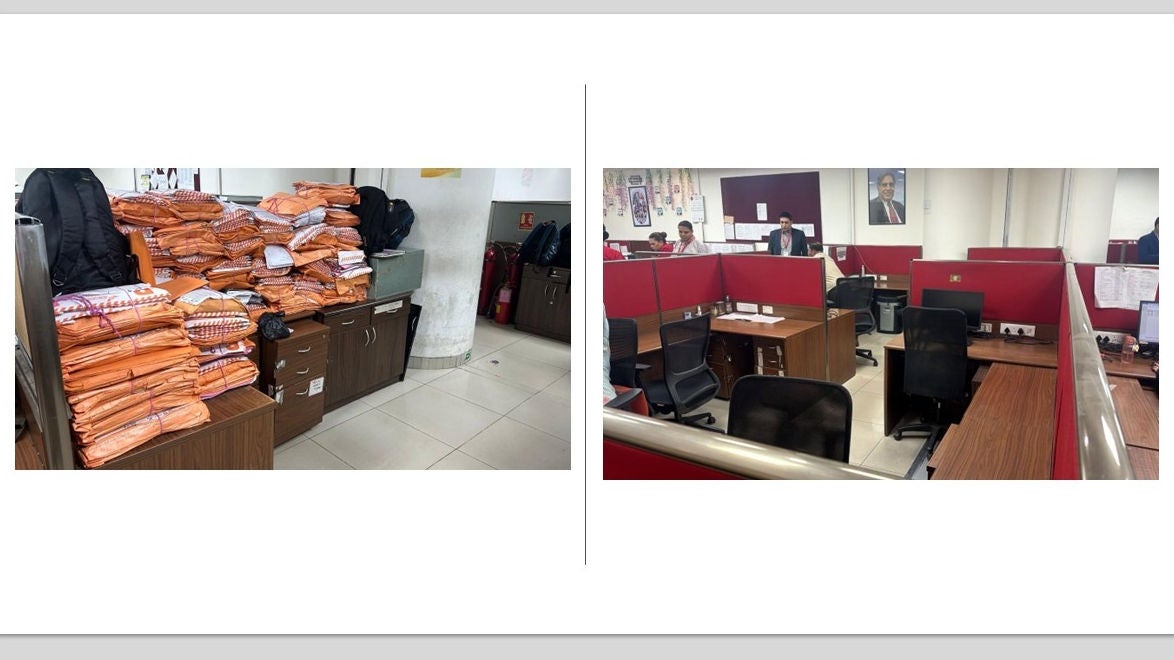
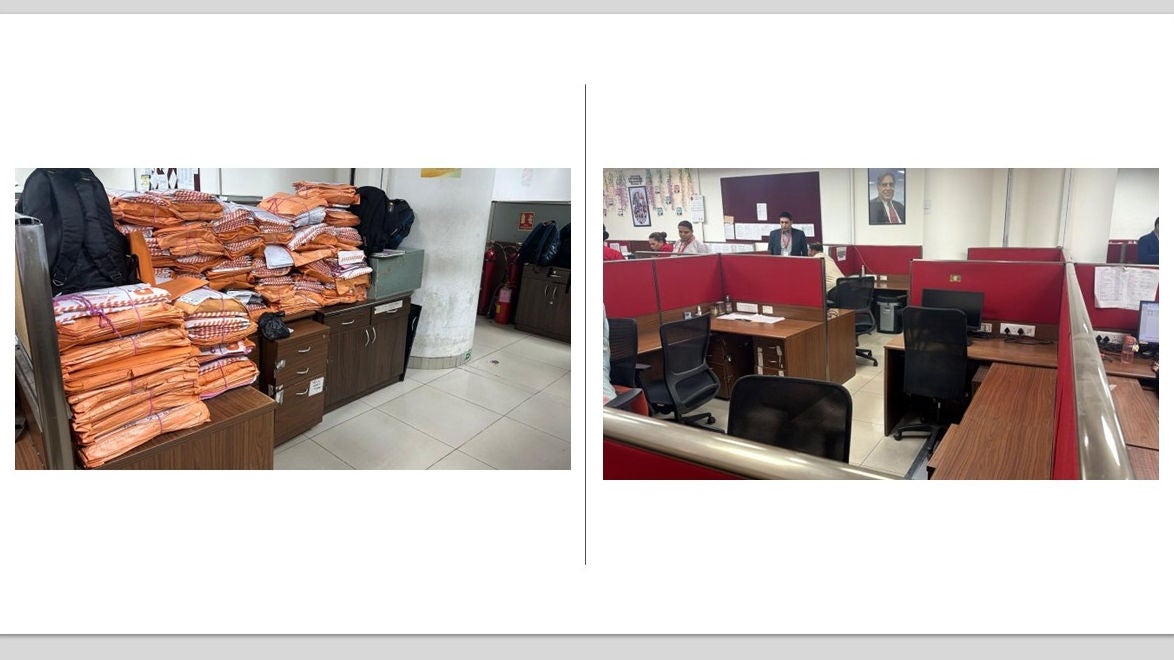
Cabin crew operations presented a different but equally complex challenge. Crews were spread across seven bases, trained narrowly on single aircraft types, and promoted primarily by tenure. In addition, the organisation carried a material number of “phantom crew” - individuals on the rolls but not actively flying - which distorted staffing visibility, reduced utilisation efficiency, and increased operational complexity.
As a consequence, productivity varied widely, earnings parity was inconsistent, and service delivery depended more on crew composition than on standardised process.
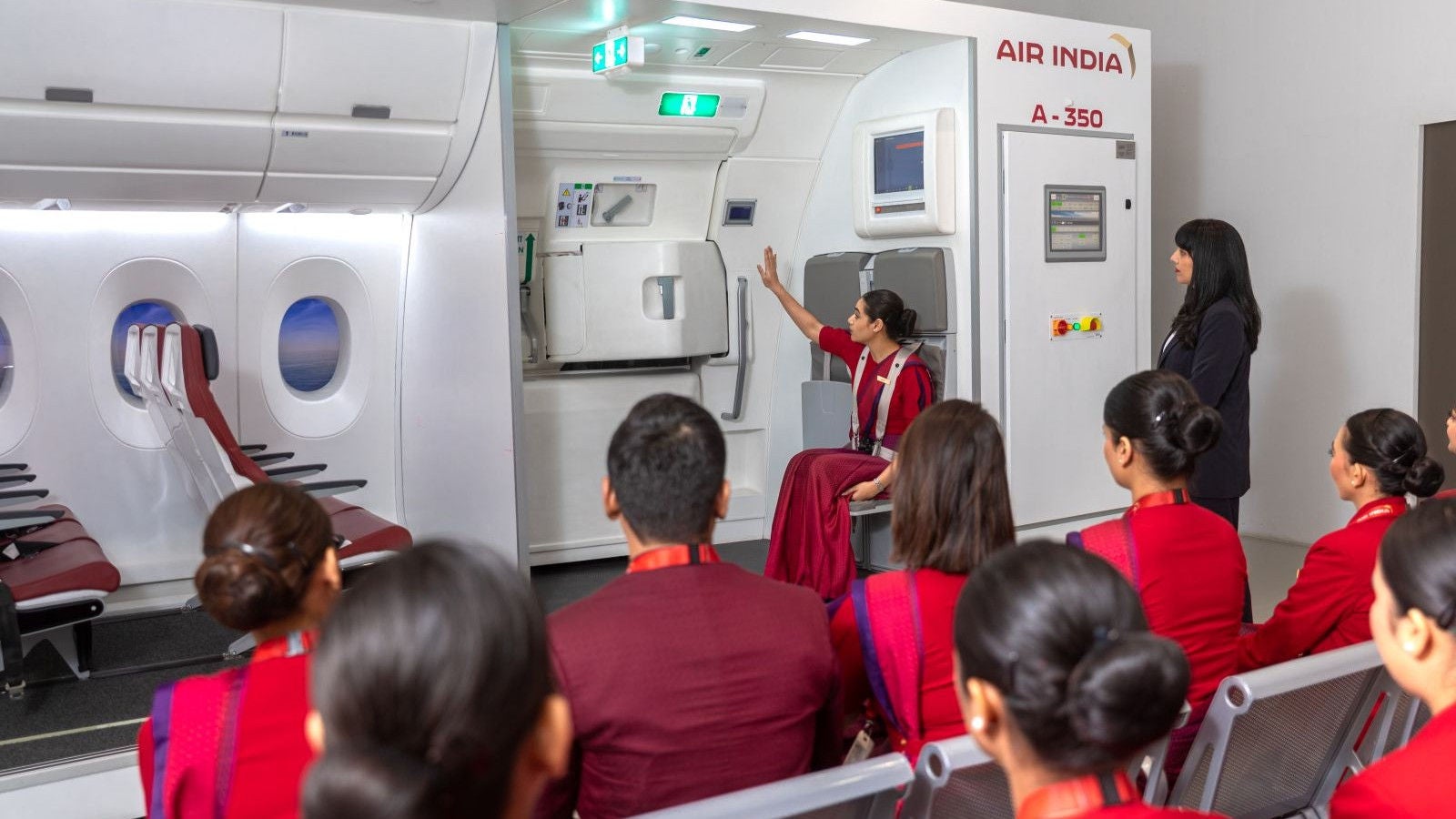
Following privatisation, cabin crew operations were consolidated into three hubs - Delhi, Mumbai, and Bengaluru. Simultaneously, a multi‑fleet model replaced rigid specialisation, with all new crew first trained on the A320 before progressing to widebody aircraft. This shift improved flexibility, utilisation, and income parity.
Service consistency, meanwhile, was addressed structurally. Clear SOPs defined onboard roles and responsibilities, ensuring predictable service delivery and fair task allocation. For the first time, performance was assessed through a defined competency framework, supported by mandatory onboard assessments and calibrated evaluation standards.
At the same time, paper‑based processes were removed. Voyage reports, rostering, manuals, and service insights moved onto crew iPads and integrated platforms. What had once been delayed and fragmented became real‑time and measurable.
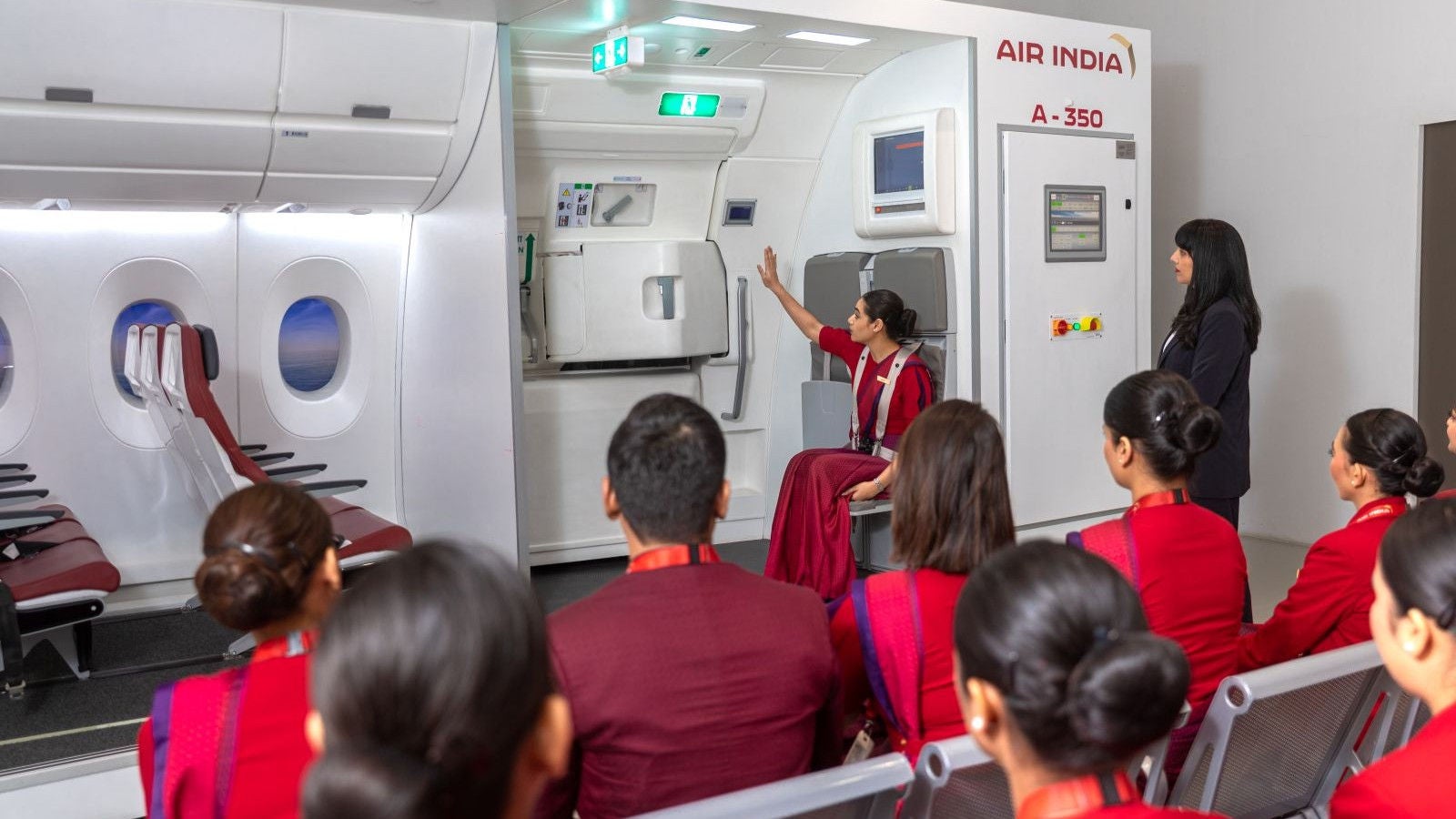
Training also underwent a decisive shift. Legacy facilities in Mumbai and Hyderabad gave way to the Air India Training Academy in Gurugram, purpose‑built for transformation at scale. Today, the academy trains around 2,000 aviation professionals , including cabin crew, every day. Instruction moved from lecture‑based formats to scenario‑driven learning, complemented by wellness and fitness compliance programmes that reduced sickness rates.
Following integration with Vistara, the cabin crew workforce expanded to around 11,000. As a result, long‑standing Air India experience blended with service discipline shaped by Singapore Airlines standards, strengthening feedback loops and raising expectations across the network.
One Rulebook for the Flight Deck
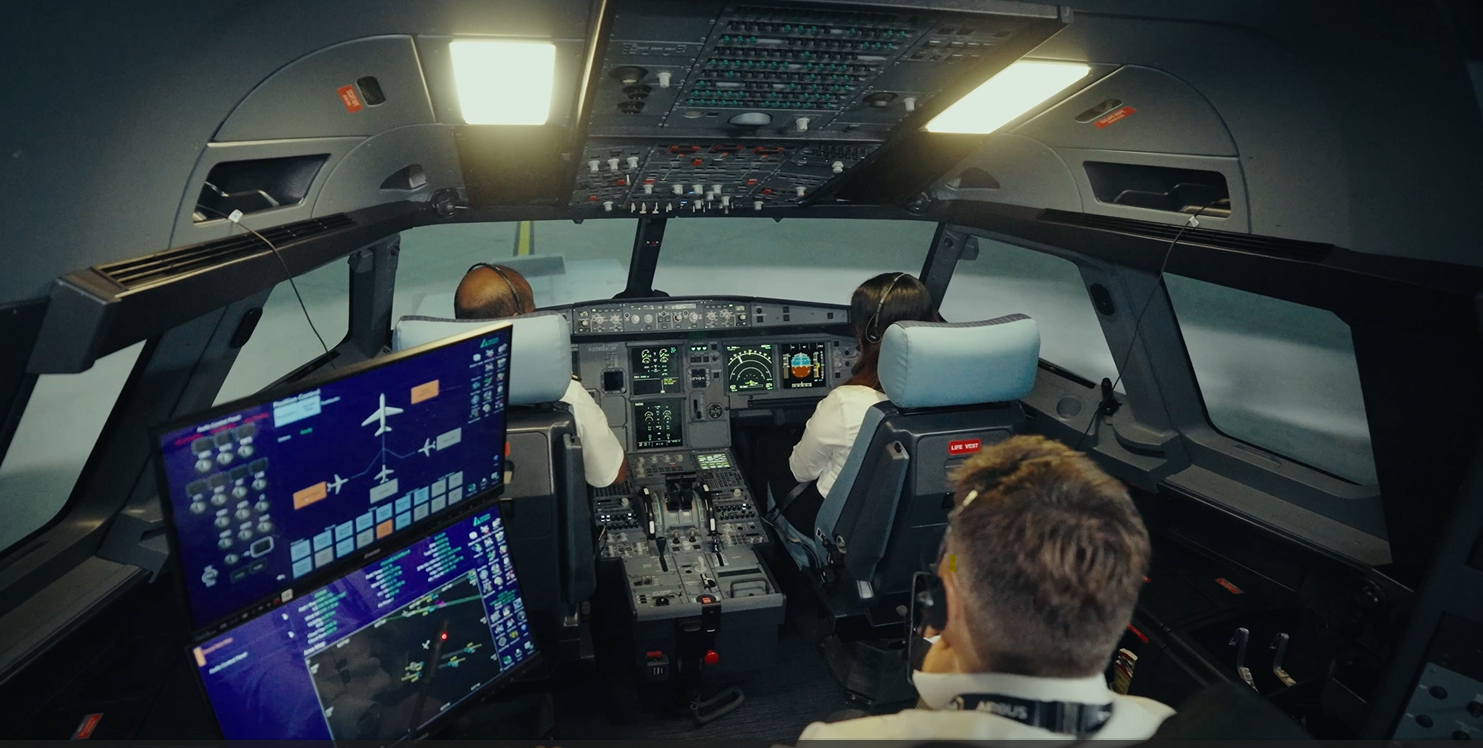
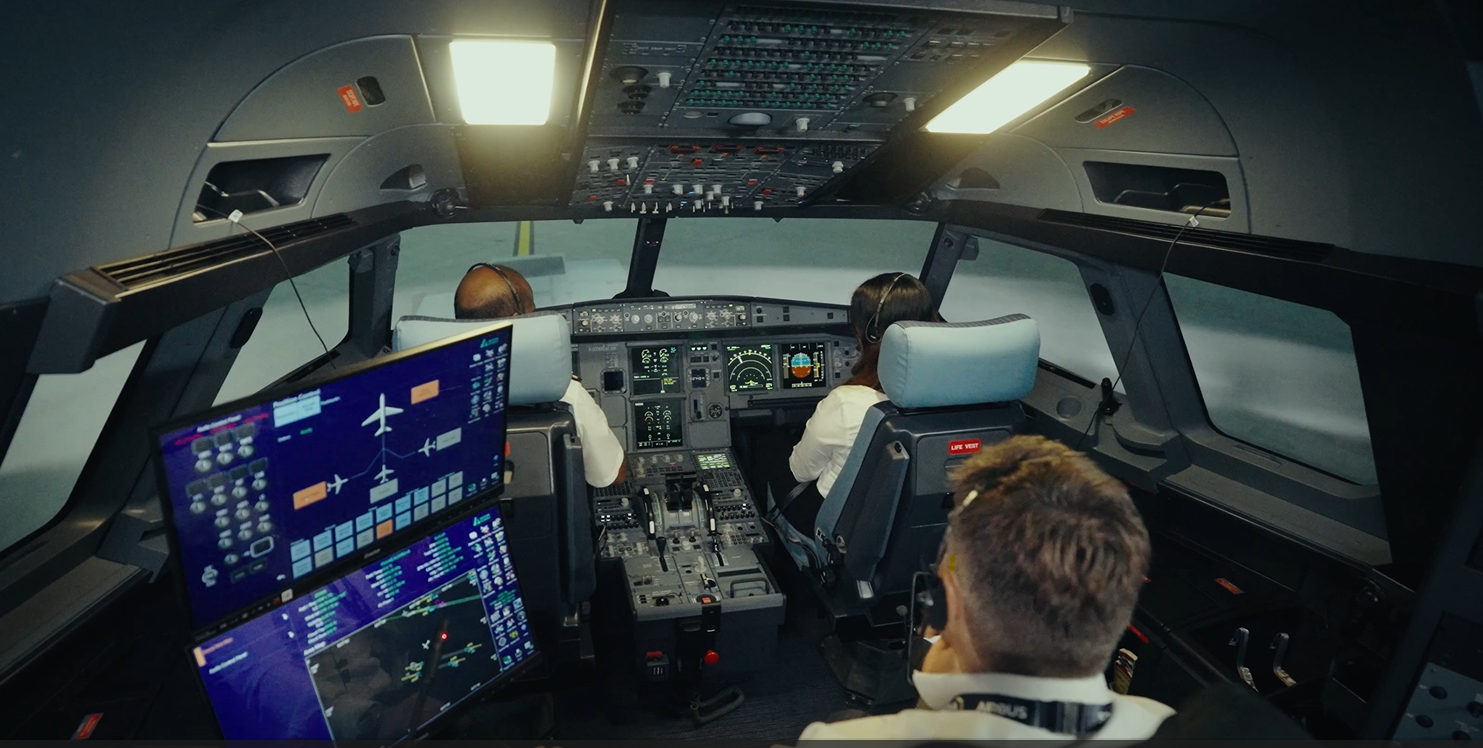
Flight operations demanded even greater precision. Air India inherited four airlines, multiple fleets, and overlapping pilot communities, each governed by different manuals.
Rather than layering complexity, leadership made a deliberate choice: replacement. One operating framework. One training standard. One pilot community.
Accordingly, more than 10,000 pages of operating procedures were rewritten across 50‑plus manuals as four airlines merged into two. Nearly 20,000 operating crew were retrained without disrupting the flight schedule - an exercise in careful sequencing rather than spectacle. In parallel, training shifted from fragmented legacy academies to standardised programmes delivered through the Air India Training Academy.
Digital systems replaced paper‑heavy workflows, reducing cockpit clutter and improving oversight. Operational data was cleaned and consolidated, creating a single planning foundation for safety management, rostering, and regulatory compliance.
Human factors were brought into focus through initiatives such as Buddy at AI, recognising the mental dimension of flight safety. Alongside this, leadership engagement increased through structured forums and direct feedback channels.
Together, these changes enabled growth without dilution of standards. New aircraft inductions, long‑haul routes, and international station launches progressed in lockstep with training readiness and regulatory compliance.
Rebuilding engineering from the ground up
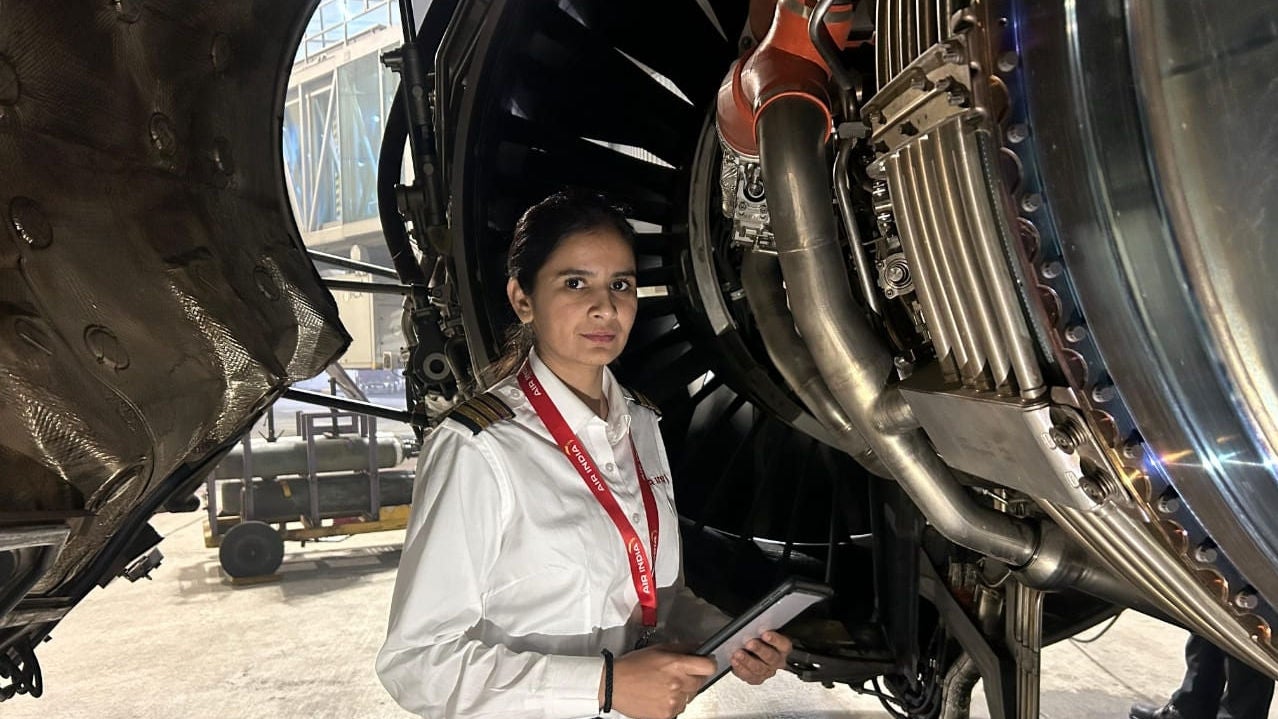
Engineering, however, proved to be the most consequential rebuild.
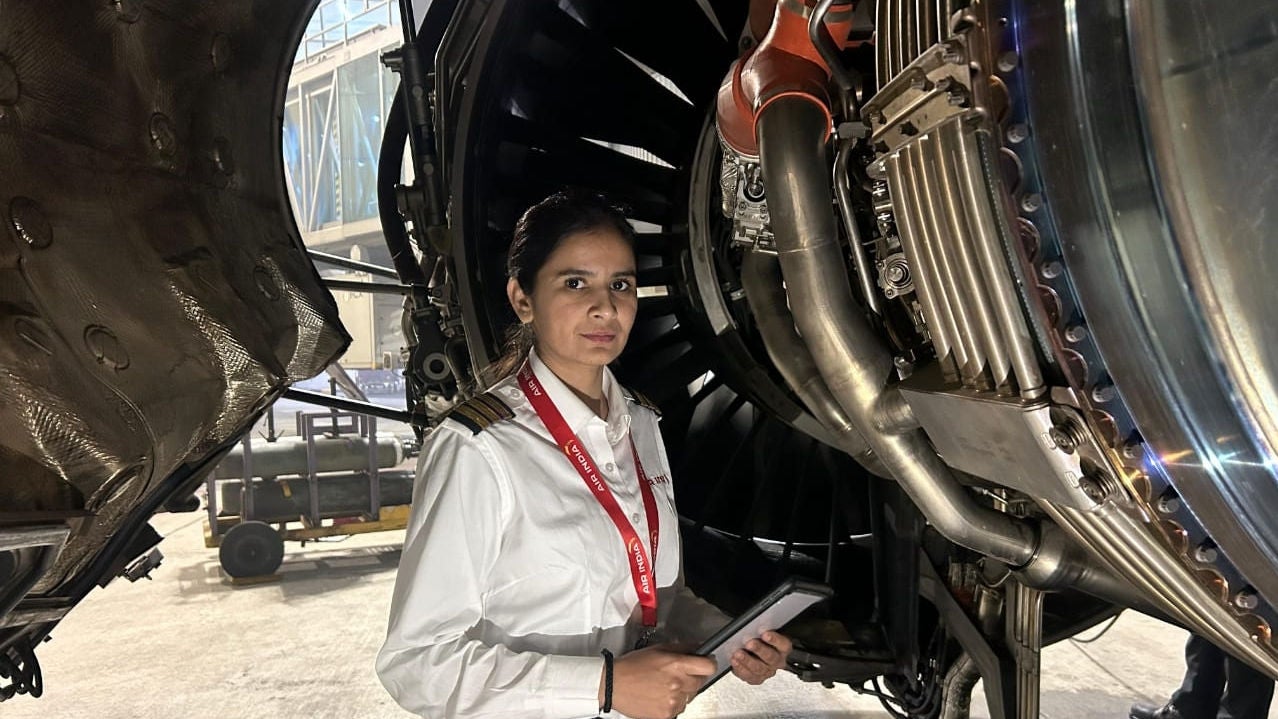
At privatisation, Air India no longer controlled core maintenance capabilities, leaving fleet reliability exposed. Rebuilding in‑house capability therefore became urgent. At the time, 30 aircraft were long‑grounded and cannibalised for parts to keep others flying.
Over the next few years, those long‑grounded aircraft returned to service. Ninety‑five percent of line maintenance was brought in‑house. Engineers completed over 300 engine replacements, while heavy maintenance turnaround times reduced by nearly 80%.
Simultaneously, a fragmented airworthiness structure was consolidated into a single accountable organisation, supported by AMOS-an integrated planning and control system providing real‑time visibility from planning through execution. RFID‑enabled controls further strengthened auditability for critical equipment.
Infrastructure followed capability. Hangars in Mumbai were refurbished, while a greenfield base‑maintenance facility and engineering training school are under construction in Bengaluru, scheduled to be operational in 2026. Parts availability improved, inventory increased 1.3x, and technical dispatch reliability rose to 99.3%, above industry averages.
As a result, reliability shifted from reactive firefighting to disciplined, planned execution.
Key facts -
By 2025, the cumulative impact of these changes became evident. On‑time performance climbed from the low 60s into the high 70s and early 80s. Aircraft utilisation improved. Crucially, these were not isolated fixes, but the outcome of structural reform - clarified accountability, upgraded infrastructure, digitised processes, and shared performance visibility across the organisation.
Air India’s operational reset did not begin with the passenger experience. Instead, it began behind airport counters, inside training rooms, within manuals, and on hangar floors. Progress required confronting uncomfortable truths, enforcing discipline, and accepting that change would be incremental.
Nearly four years after privatisation, Air India’s operations now resemble those of a functioning global carrier: integrated, measured, and increasingly reliable. In aviation, reputation follows performance. For Air India, rebuilding operations has been about earning that reputation again - one decision, one flight, one day at a time.