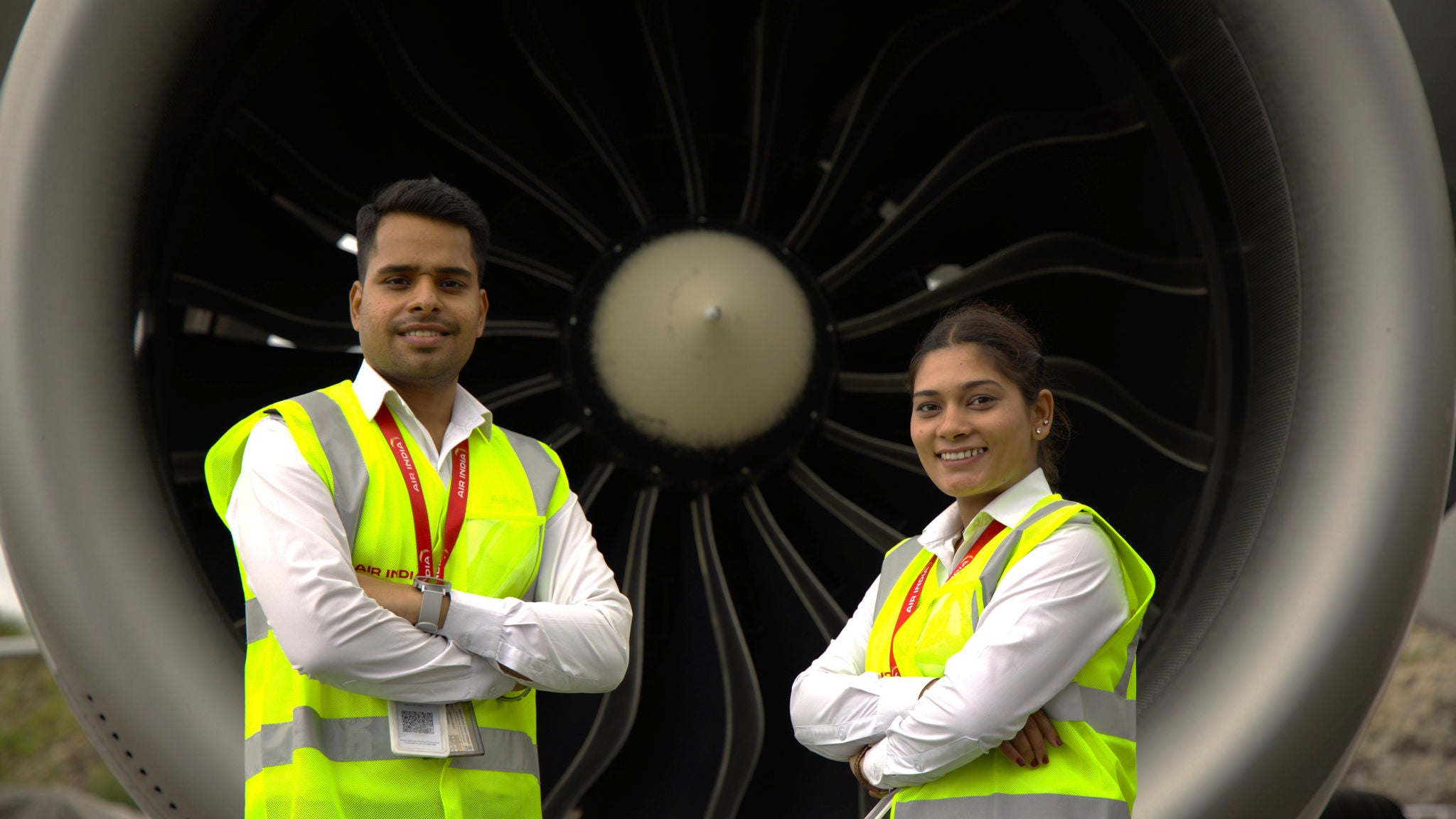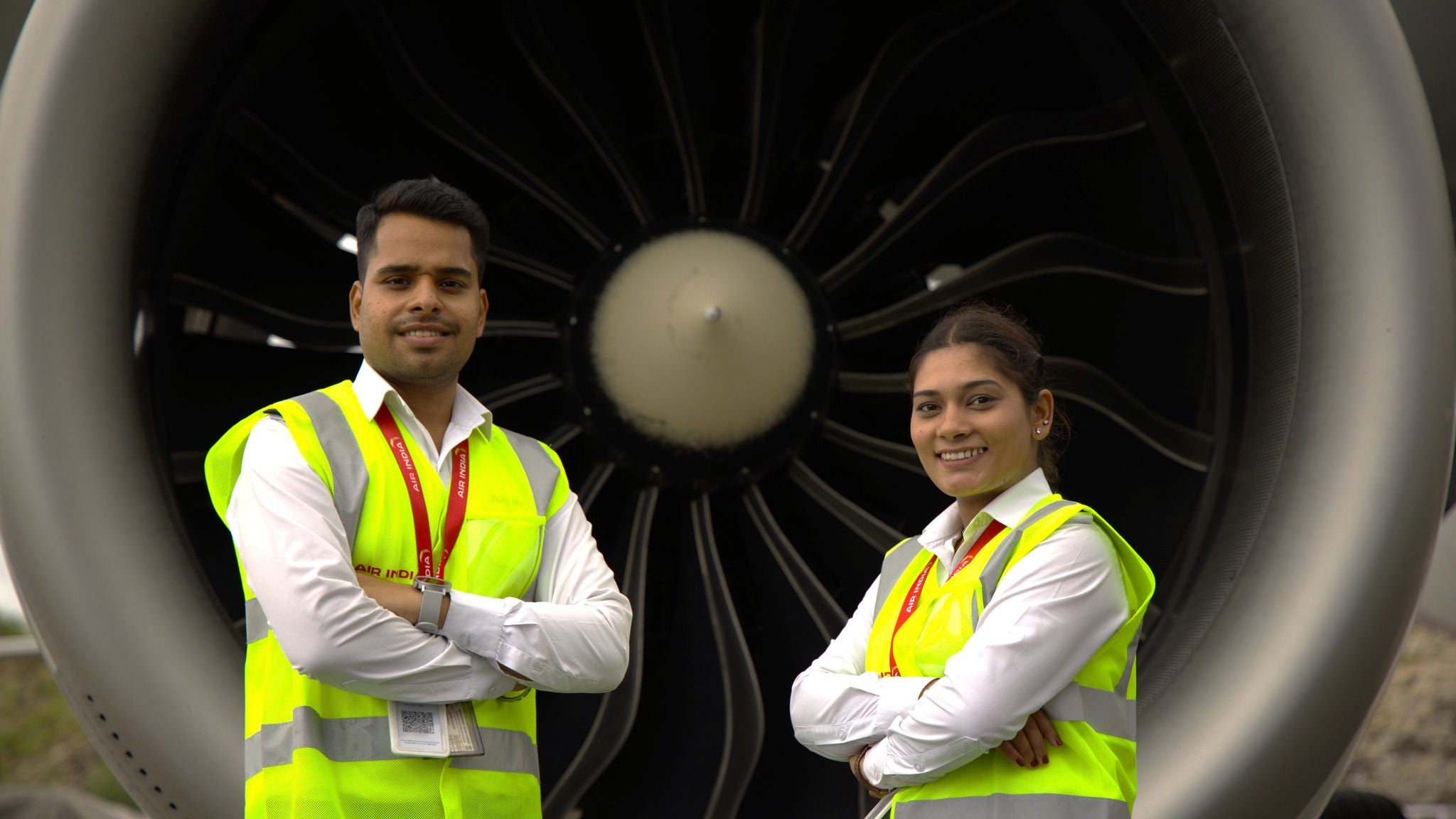
Behind every Air India departure is a team of highly skilled engineers, technicians & support staff working around the clock to ensure every aircraft is ready, reliable, and safe to fly. While passengers may see pilots and cabin crew preparing for a journey, much of the work that safeguards a flight happens long before boarding begins.
Air India's commitment to safety is built on rigorous engineering standards, comprehensive maintenance programmes, continuous training, and multiple layers of oversight. Guided by the airline's Safety Management System, which aligns with International Civil Aviation Organization (ICAO) standards and Directorate General of Civil Aviation (DGCA) regulations, Air India engineers play a vital role in maintaining the safety and reliability of the airline's operations.
Every aircraft in the Air India fleet is maintained through a structured framework of inspections, scheduled maintenance, technical checks, and continuous monitoring. These processes help ensure that each aircraft operates in accordance with stringent safety and airworthiness standards.
Air India conducts more than 100 technical checks daily by certified engineers and pilots while multiple teams in the backdrop plan and coordinate ground operations to clear each aircraft for departure. These checks form part of a layered safety approach designed to identify and address potential issues before a flight operates.
Through meticulous attention to detail, disciplined procedures, and adherence to regulatory requirements, the Air India engineering teams help ensure that every aircraft is prepared to perform safely and efficiently.
Before every departure, Air India engineers and technicians conduct comprehensive inspections of each aircraft meticulously put together by the planning & work package creation team. Working together, they review critical systems and components according to detailed checklists prescribed by the DGCA and the aircraft's Original Equipment Manufacturer (OEM) while staying connected to a 24x7 operating Maintenance Control Centre (MCC).
These inspections include checks of:
Upon finding any discrepancies, the defect rectification & reliability teams analyse all technical parameters while the ground staff follows established Standard Operating Procedures (SOPs) to assess and resolve the issue before the aircraft is released for service. This systematic approach helps ensure that every aircraft meets required safety standards before passengers step onboard.
A key responsibility of Air India engineers is determining whether an aircraft is fit to operate.
Following the successful completion of inspections and required maintenance, the engineer signs off the aircraft and issues a Certificate of Release to Service. This formal certification confirms that the aircraft has been inspected, meets applicable airworthiness requirements, and is ready for safe operation.
Safety does not end with a pre-flight inspection. Air India aircraft undergo three levels of scheduled maintenance designed by the scheduling & technical services team to maintain reliability and performance throughout their operational life.
These checks help ensure that aircraft remain ready for continued operations between flights.
At defined intervals based on calendar schedules and aircraft utilisation, Air India performs more detailed maintenance activities at specialised maintenance facilities.
These inspections involve:
Planned by technical experts in the backend & executed by certified engineers, these maintenance programmes play a critical role in preserving aircraft safety, performance, and reliability.
Air India's engineering responsibilities extend beyond physical inspections.
The airline's Safety and Engineering teams conduct regular audits in line with DGCA guidelines, while flight data from operations is continuously monitored by airworthiness management personnel in conjunction with technical services experts in the backdrop to identify trends, irregularities, or areas requiring attention. Findings are reviewed and corrective actions are implemented whenever necessary.
This proactive approach allows Air India to strengthen safety performance continuously and address potential risks before they impact operations.
Maintaining aircraft safely requires continuous learning and technical expertise.
At the office, the Air India engineering training team ensures that engineers undergo refreshers every two years to keep pace with evolving technologies, regulatory requirements, and industry best practices. Technicians also complete regular assessments & undertake carefully crafted upskilling courses taught in house to ensure that every aircraft they inspect, maintain, or repair meets the highest safety standards.
This ongoing commitment to professional development helps ensure that Air India's engineering division remain prepared to support a modern and growing fleet.
As part of its broader transformation journey, Air India is investing in infrastructure and capabilities that will further strengthen operational reliability and maintenance standards.
These initiatives include basic aircraft training at the BMTO Bangalore & OEM specific trainings at the Air India Training Academy in Gurugram, which provides world-class training for aviation professionals, and the upcoming Maintenance, Repair and Overhaul (MRO) facility in Bengaluru, designed to deliver advanced maintenance capabilities at scale.
Together, these investments support Air India's ambition to build a future-ready aviation ecosystem centred on safety, training, and operational excellence.
Passengers may not always see the technical staff & engineers working behind the scenes, but their contribution is fundamental to every safe journey.
From planning, modification control, reliability upgrades, overall component trend analysis, conducting pre-flight inspections and certifying aircraft readiness to performing scheduled maintenance, monitoring operational data, and continuously upgrading their skills, Air India’s engineering division teams collaborate together from the office to the tarmac around the clock to maintain the highest standards of safety across the airline's operations.
This work forms an essential part of Air India's safety culture, where multiple layers of expertise, verification, and oversight come together to ensure that every aircraft is prepared to fly safely and reliably.
At Air India, safety is not a single inspection or maintenance task. It is a continuous commitment reflected in every check performed, aircraft certified, and decision made by the engineering professionals who keep the airline moving safely every day.
What do Air India engineers check before a flight?
Air India engineers inspect engines, aircraft structures, cabin readiness, emergency exits, safety equipment, and other critical systems before every departure.
How often are Air India aircraft maintained?
Air India aircraft undergo pre-flight checks, regular maintenance every 24 to 48 hours, and scheduled maintenance at defined intervals.
How does Air India ensure aircraft safety?
Air India combines engineering inspections, maintenance programmes, safety audits, flight data monitoring, and continuous training to maintain high safety standards.