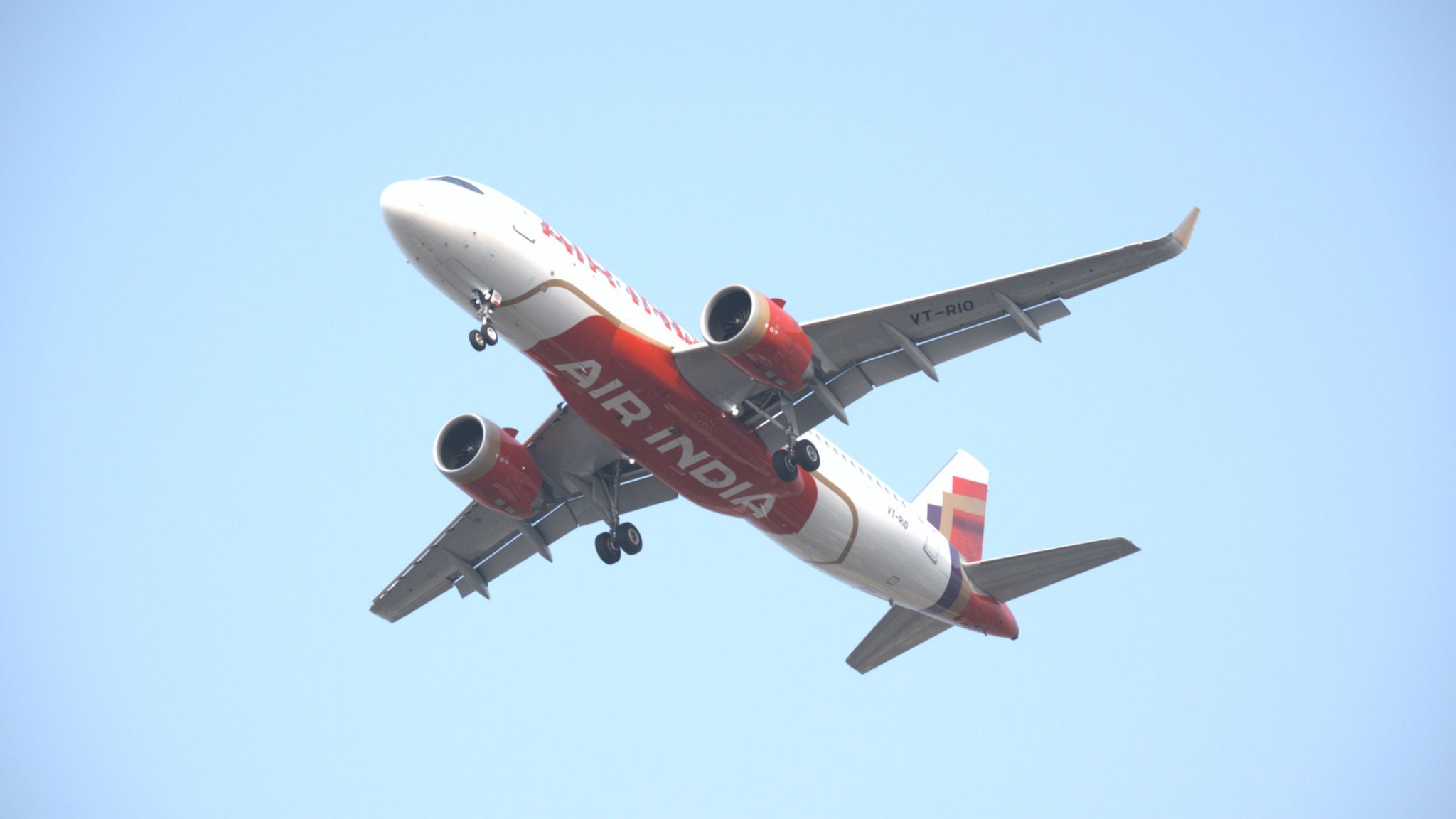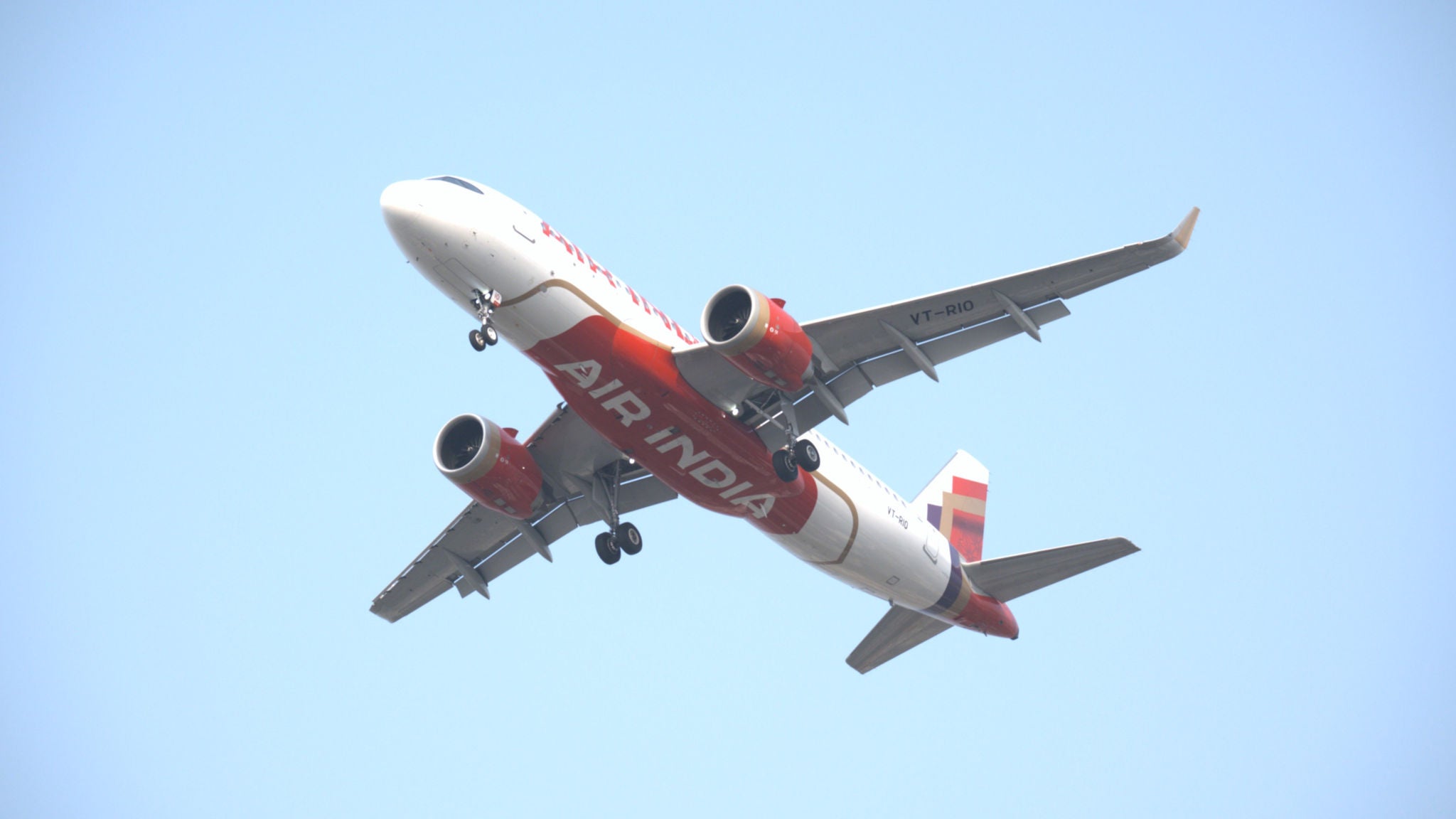
As an aircraft descends towards a runway, passengers can usually sense that the journey is almost over. Seat belts are fastened, window shades are raised and attention turns to the ground as the runway comes into view.
Then, suddenly, the engines become louder. The aircraft begins to climb and the runway drops away beneath the wings.
For many travellers, the first reaction is confusion: Did something go wrong? Was it dangerous?
In most cases, what they have experienced is one of aviation’s most important safety practices: a go-around.
Far from being an emergency, a go-around is a deliberate and highly trained manoeuvre. It allows pilots to climb away from the runway and prepare for another approach.
For Air India, where safety supports every operation, the go-around shows how pilots, technology, procedures and sound judgement work together to protect safety margins.
The U.S. Federal Aviation Administration describes a go-around as a safe, routine manoeuvre that may be initiated by the pilot or requested by Air Traffic Control.
Reasons can include an occupied runway, changing weather, traffic or other operational considerations. Once the aircraft reaches a safe altitude, it is repositioned for another approach and landing.
Think of parking a car in a tight space. If the angle is not right, most people do not force the car into position and hope for the best. They pull out, reposition and try again.
A go-around follows the same principle. Rather than continuing when the approach is not as it should be, pilots climb away, reposition the aircraft and set up again. The decision puts precision and safety ahead of simply getting the aircraft on the ground.
Importantly, a go-around is not an abnormal procedure. Airports publish missed-approach procedures, pilots brief for the possibility before landing and airlines train for it regularly. It is not aviation’s backup plan; it is part of normal operations.
Chief Pilot of Air India’s A350 fleet, Sameer Bagai explains, “As pilots, we continuously monitor the approach. If the aircraft is not in a safe and stable position to land, or if we lose the required visual references, we do not try to force the landing. We simply discontinue the approach and go around. It's a normal, well-practised safety decision. And there is always another opportunity to land safely.”
Although a go-around can feel unusual in the passenger cabin, it is a recognised and expected part of commercial aviation.
Industry data suggests that go-arounds occur on about one to three approaches in every thousand. This means that more than 99 per cent of approaches end with a landing on the first attempt. The rate varies with factors such as airport complexity, weather and traffic.
Many passengers may never experience a go-around, while frequent travellers may encounter one occasionally. Across the millions of flights operated each year, thousands of go-arounds take place. Pilots and air traffic controllers consider the possibility on every approach, and it remains an option until the aircraft has landed safely.
A go-around may be a routine part of aviation, but it is not something most passengers expect to experience. Keeping customers informed and reassured is therefore a key part of the procedure. Yoahann Banaji, Chief Pilot of the B777 fleet notes, “We make announcements to explain what is happening. As hearing from the captain can help reassure passengers that everything is under control and that the flight is continuing safely.”
Every landing begins well before the aircraft reaches the runway. During the descent, pilots continuously assess speed, altitude, wind, visibility, traffic and runway status. They compare the approach with clearly defined safety criteria.
Most approaches develop exactly as planned. Sometimes, however, the wind changes, visibility reduces, another aircraft is still leaving the runway, or the aircraft no longer meets the required stabilised approach criteria.
In that situation, there is no benefit in pressing ahead. The safer choice is often to go around, create more time and set up a better approach. Stabilised approach guidance is built around this principle.
Passengers may assume that a go-around follows a dramatic event at the last second. More often, pilots decide early that the approach is no longer ideal.
Pilots monitor many parameters throughout the approach. If the aircraft is too high, too fast, not correctly aligned, or if weather or runway conditions change, another approach may offer a safer result.
The aim is never to “salvage” a landing. The aim is to complete a safe landing. Pilots are therefore trained to go around early, clearly and without hesitation when conditions require it. Aviation safety experts have long recognised that continuing an unstable approach can present greater risk than conducting a go-around.
That philosophy is reinforced through Air India's safety culture. As Chief Pilot Yoahann Banaji explains, “At Air India, safety always comes first. Pilots are encouraged to make decisions based solely on safety and are never expected to continue an approach they are not comfortable with.”
“A go-around is not considered a mistake or a failure. In fact, it is often the safest and most professional decision when an approach is not developing as planned. Our culture supports pilots in making that decision whenever necessary,” he adds.
Yes. A go-around is a normal aviation procedure conducted within established aircraft performance limits and operating procedures. Its purpose is to preserve or increase safety margins when conditions are not ideal for landing.
A common misconception is that a go-around means safety was in doubt. In most cases, it shows the opposite: the crew has recognised that conditions are not exactly right and has selected the safest available option.
Rather than accept additional risk, the crew creates more time, more space and a better setup for the next approach. A go-around is not a sign that safety has reduced; it is a sign that safety margins are being protected.
The importance of the go-around is reflected in aviation regulations, training programmes and safety guidance around the world.
The U.S. Federal Aviation Administration describes go-arounds as safe and routine. Industry safety organisations also consider them an important defence against approach and landing accidents. Stabilised approach policies are designed to encourage crews to discontinue any approach that does not meet the required criteria.
In India, the Directorate General of Civil Aviation has also highlighted the importance of avoiding unstable approaches. A paper presented by India at an International Civil Aviation Organization conference identified unstable approaches continued to landing as a significant contributor to runway excursions and serious incidents. The finding reinforces a central principle: when conditions are not right, going around is often the safest decision.
For regulators, airlines and pilots, a go-around is not a failure. It is an example of sound airmanship.
For Air India pilots, a go-around is not a procedure encountered for the first time in service. It is practised repeatedly in advanced flight simulators during initial training, type-rating programmes and recurrent proficiency checks.
Pilots train for a range of scenarios, including adverse weather, low visibility, windshear, runway occupancy conflicts and other operational conditions that may require a discontinued approach.
That emphasis on preparedness is reflected in Air India's recurrent training programme. As Chief Pilot Bagai notes, “Air India pilots undergo recurrent and regulatory simulator checks every six months. Go-arounds are a required part of these sessions, and every check includes a minimum of two to three go-arounds as part of the syllabus.”
The objective goes beyond learning the procedure. Training also helps pilots become comfortable with making the decision itself. A strong safety culture is reflected in a pilot’s willingness to go around whenever conditions require it.
At Air India, that decision is supported, encouraged and reinforced through training because safety always comes first.
In aviation, professionalism is often measured not by pressing ahead, but by knowing when not to. A go-around reflects disciplined decision-making, rigorous training and a commitment to safety above all else.
The next time an aircraft begins to climb just before touchdown, remember: you are not witnessing a failed landing. You are seeing one of aviation’s most important safety defences in action.
Pilots are trained for it. Regulators encourage it. Airlines support it. Aircraft are designed for it. Sometimes, the safest landing begins with the decision not to land.