Safety begins well before take-off, with thousands of decisions and checks across aircraft maintenance, crew training, flight planning, ground operations and the management of unforeseen situations. At Air India, safety is guided by a robust framework grounded in regulatory requirements, globally recognised standards and continuous improvement. These measures form the foundation of Air India's safety standards across its operations.
At the heart of this framework are the people, systems and processes that support safe operations every day. Pilots, engineers, cabin crew, dispatch specialists, security teams and airport staff work together to identify risks, strengthen procedures and help ensure the safe and reliable operation of every flight. As aviation standards continue to evolve globally, Air India regularly benchmarks its practices against recognised international frameworks and independent assessments, reinforcing its commitment to continual improvement.
A key part of this commitment is Air India's registration under the IATA Operational Safety Audit (IOSA) programme, one of the aviation industry's most recognised frameworks for evaluating airline operational safety management and control systems.
Developed by the International Air Transport Association (IATA), IOSA assesses how airlines manage and control their operations. Rather than focusing on an individual aircraft or flight, it evaluates the systems and processes that underpin safe and consistent operations, including organisational oversight, operational procedures, training, engineering, risk management and operational decision-making.
The programme uses a common set of internationally recognised standards and recommended practices, enabling airlines around the world to be assessed against the same operational benchmark. Maintaining IOSA registration requires periodic renewal audits and ongoing adherence to operational standards. The programme has also evolved to incorporate a risk-based approach that evaluates airline-specific risks and the effectiveness of safety-critical systems in practice.
For Air India, IOSA serves as an important independent validation of the systems, processes and controls that support its broader safety framework.
Air India has a longstanding track record of adopting evolving safety benchmarks and strengthening its practices in line with global developments. Since the launch of IOSA in 2004, the airline has aligned itself with the programme and continued to embrace successive enhancements as they have been introduced.
When Enhanced IOSA was rolled out in 2015, Air India proactively adopted the more rigorous requirements, reflecting its commitment to continuously strengthening its operational safety framework. The airline was also the first in the world to undergo an IOSA Risk-Based Audit, demonstrating its willingness to embrace advanced safety assessment methodologies and align with emerging global best practices.
This proactive approach reflects a broader philosophy that safety is not simply about meeting requirements, but about continuously raising standards and learning from industry developments.
Strong safety performance is built not through a single programme or audit, but through thousands of actions taken every day across the airline. From the flight deck and maintenance hangar to airport operations and operational control centres, multiple teams work around the clock to support safe, reliable and efficient operations.
Long before a flight departs, Air India's flight crews prepare through detailed reviews of flight plans, weather conditions, operational notices, route requirements and aircraft information. This is complemented by recurrent training, simulator exercises, line checks and emergency preparedness programmes that help maintain crew proficiency and operational readiness across the network.
Every Air India flight is supported by specialised operational control and dispatch teams. These teams monitor factors such as weather, aircraft availability, operational constraints and route conditions while coordinating closely with flight crews and airport teams. Their role helps support informed decision-making before and during a flight.
Air India's engineers, technicians and maintenance professionals support every departure through inspections, maintenance activities and technical checks conducted in accordance with approved programmes and regulatory requirements. Reliability monitoring, technical assessments and established processes help identify and address issues that may affect an aircraft's readiness for service.
Cabin crew play a vital safety role throughout every journey. Training in emergency preparedness, passenger management, evacuation procedures, firefighting and first aid helps equip them to perform critical safety functions before, during and after each flight.
Every aircraft turnaround relies on coordinated efforts across multiple teams. From baggage handling and aircraft servicing to loading and stakeholder coordination, ground operations help prepare aircraft safely and efficiently for departure. Standardised procedures support consistency in ramp safety and turnaround activities across the network.
Airline security involves multiple layers of procedures and controls designed to safeguard passengers, employees and operations. Security protocols are integrated across numerous operational functions, supporting a secure environment throughout the travel journey.
Beyond day-to-day operations, safety is embedded through robust governance, oversight and continuous review. Air India's Safety Management System (SMS) helps identify hazards, assess risks and drive preventive and corrective actions, while controlled documentation supports the consistent application of procedures across the airline.
The airline also invests heavily in safety promotion initiatives, training programmes, awareness campaigns and knowledge-sharing activities that encourage continuous learning and strengthen risk awareness across the organisation.
In addition, Air India contributes to the broader aviation ecosystem by supporting regulatory and external oversight activities, helping strengthen safety standards across the industry.
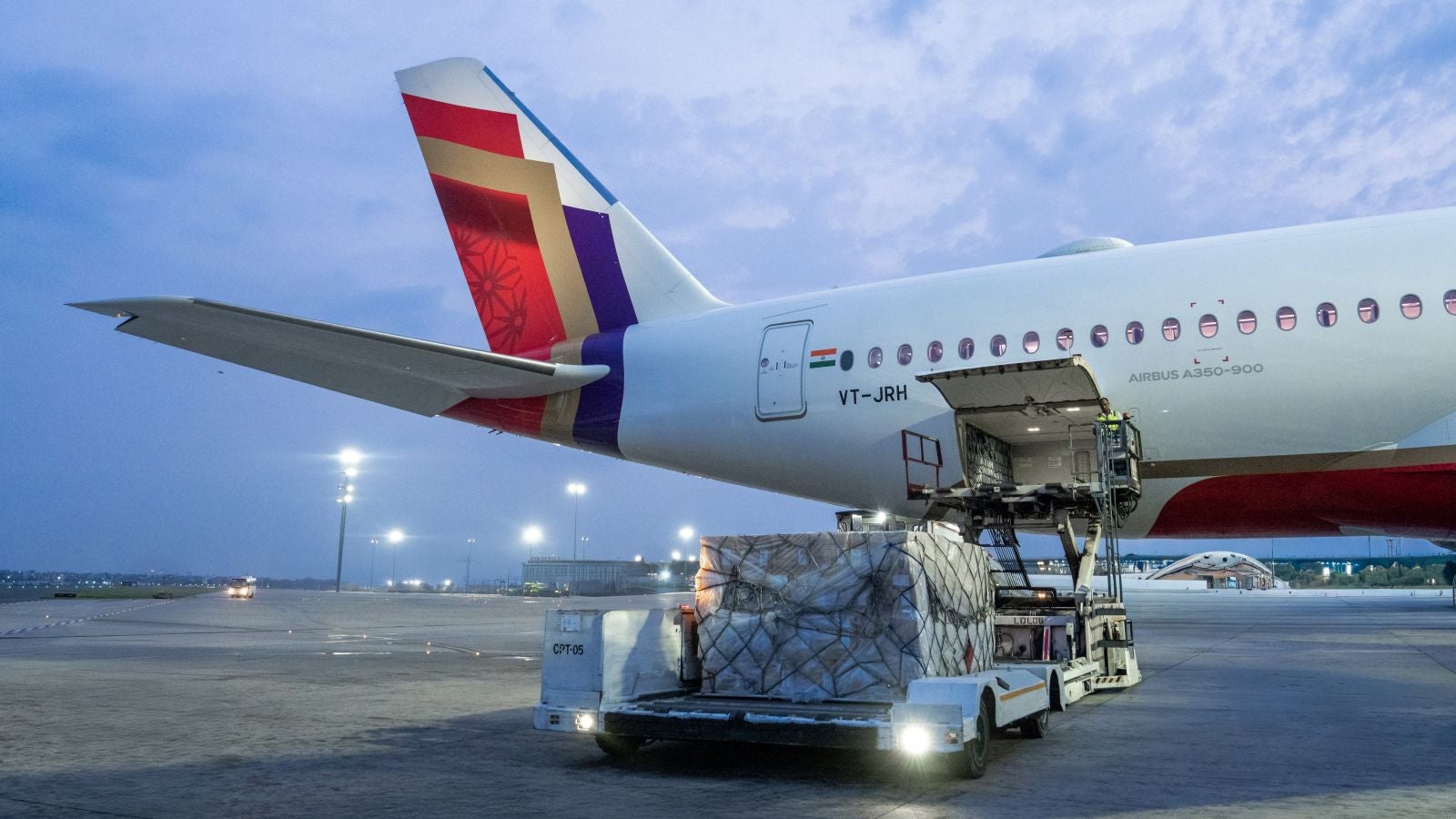
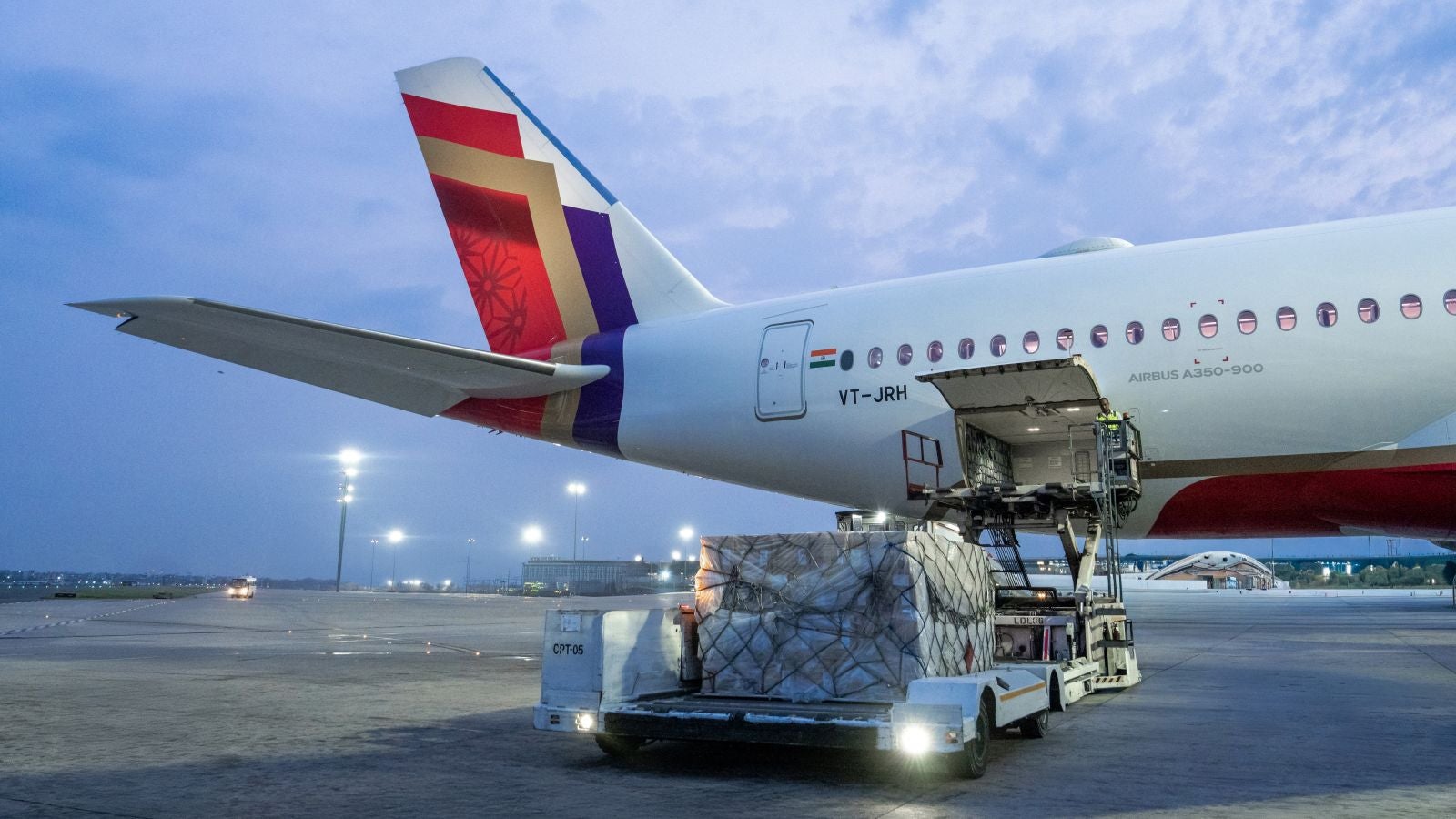
Cargo operations support the movement of goods across Air India's network through established operational procedures, handling requirements and security controls. These processes help ensure cargo is managed safely and efficiently throughout its journey, including the transportation of specialised cargo and dangerous goods where applicable.
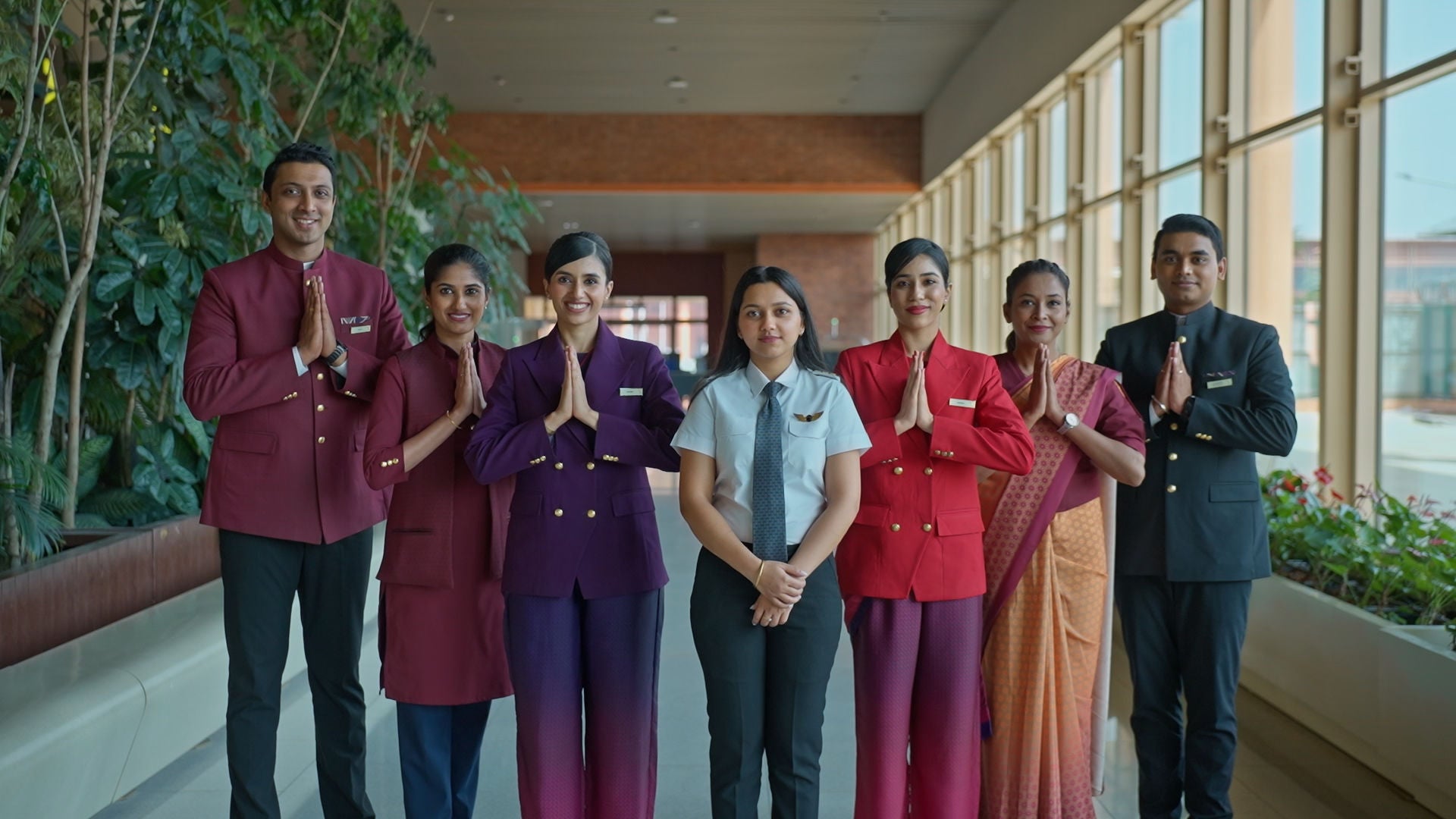
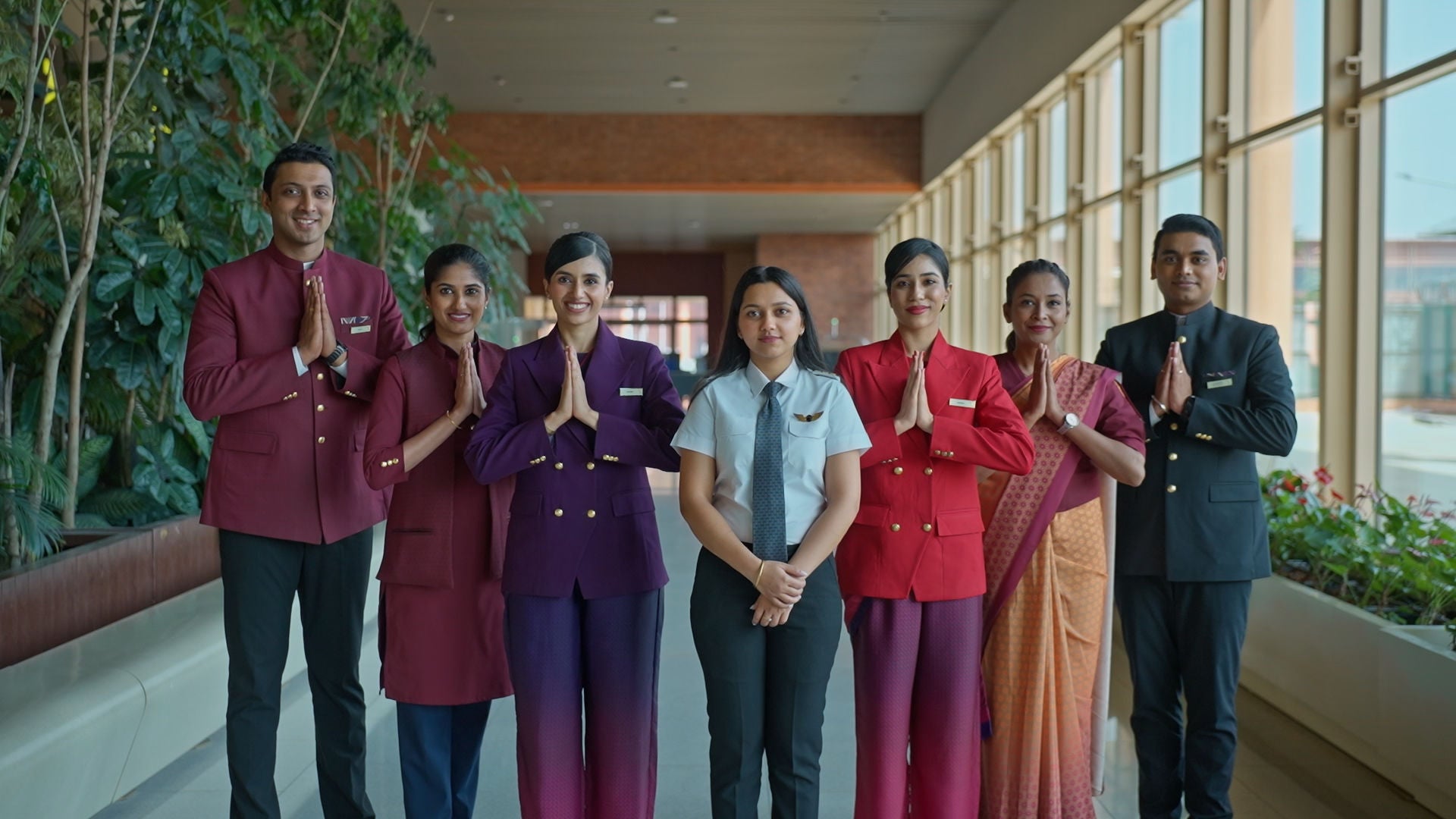
Safety at Air India is built on the collective efforts of thousands of pilots, engineers, cabin crew, dispatch specialists, security professionals and ground staff who work together every day to support safe and reliable operations.
Supported by rigorous training, strong governance, continuous monitoring and a culture of accountability, the airline continues to strengthen its safety framework as it evolves into a world-class global carrier. Independent assessments such as IOSA help validate these efforts, but the foundation of Air India's approach to safety lies in the people, processes and decisions that support every flight, every day.
Every aircraft. Every flight. Every day. Safety First. Always.
Yes. Air India is registered under the IATA Operational Safety Audit (IOSA) programme, which assesses an airline’s operational management and control systems against internationally recognised aviation standards.
Air India operates within a comprehensive safety framework supported by regulatory oversight, internationally recognised operational standards, a robust Safety Management System, and IOSA registration.
Air India applies established maintenance programmes, engineering inspections, technical assessments, safety reporting processes, and operational controls to identify, evaluate, and address potential risks in accordance with approved procedures and regulatory requirements.
IOSA registration demonstrates that Air India’s operational management and control systems have been independently evaluated against globally recognised aviation safety standards across critical operational disciplines, reinforcing its commitment to safety.