The room is never completely still.
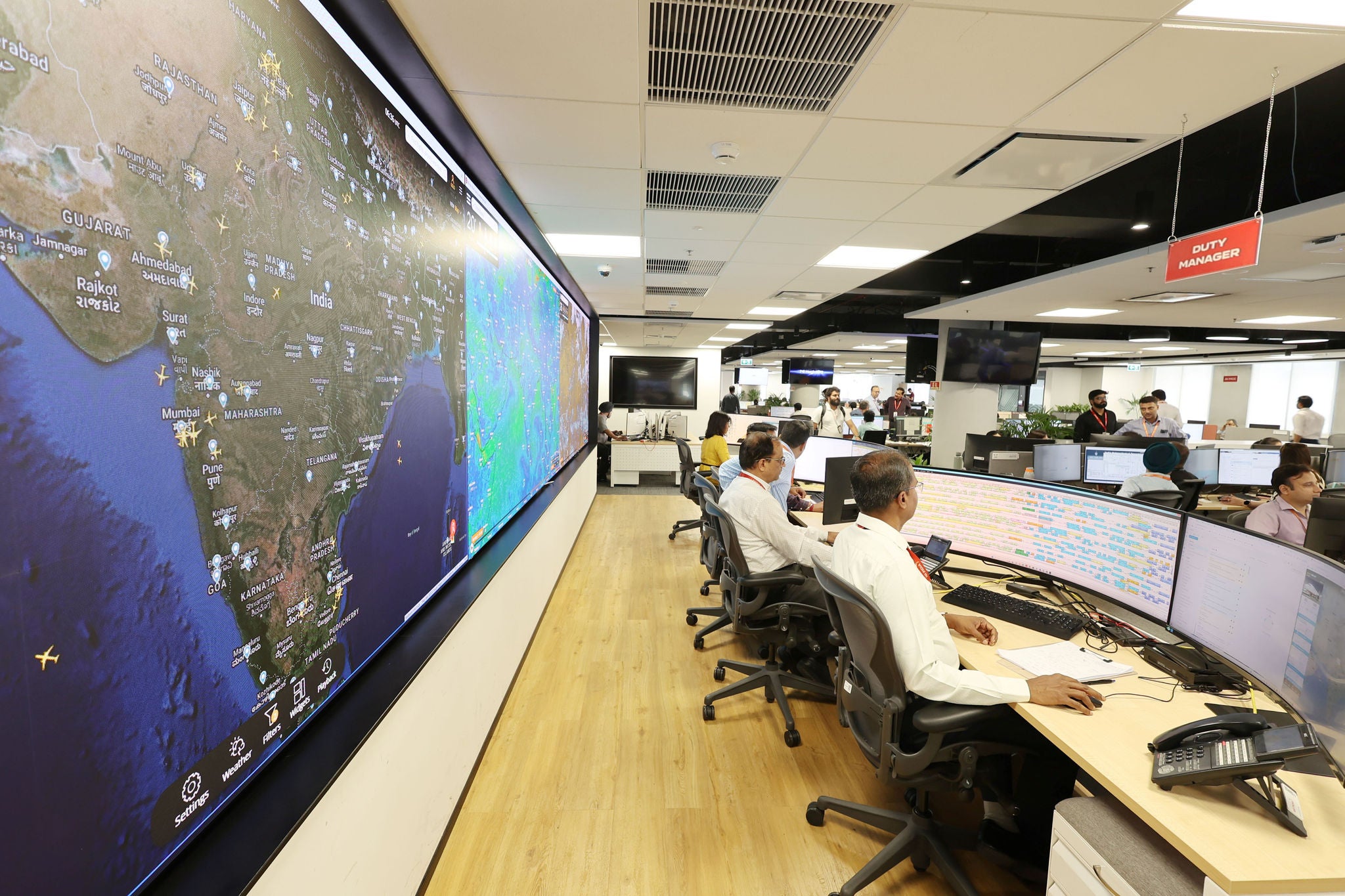
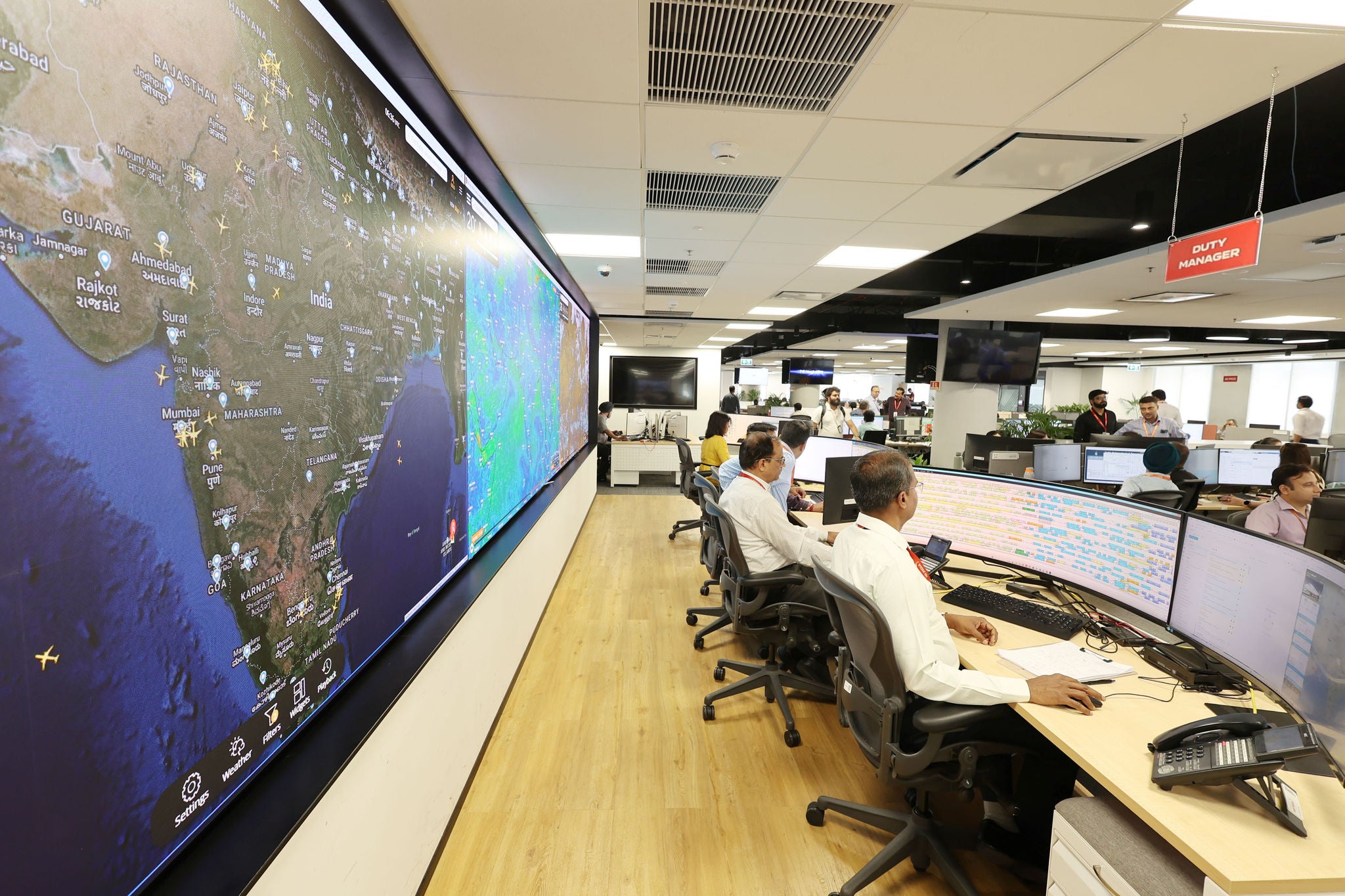
Weather maps flicker across giant screens. Aircraft icons inch their way across continents. Phones ring. Conversations begin and end in quick bursts. Teams huddle around live operational data, scanning for anything that might affect flight hours from now.
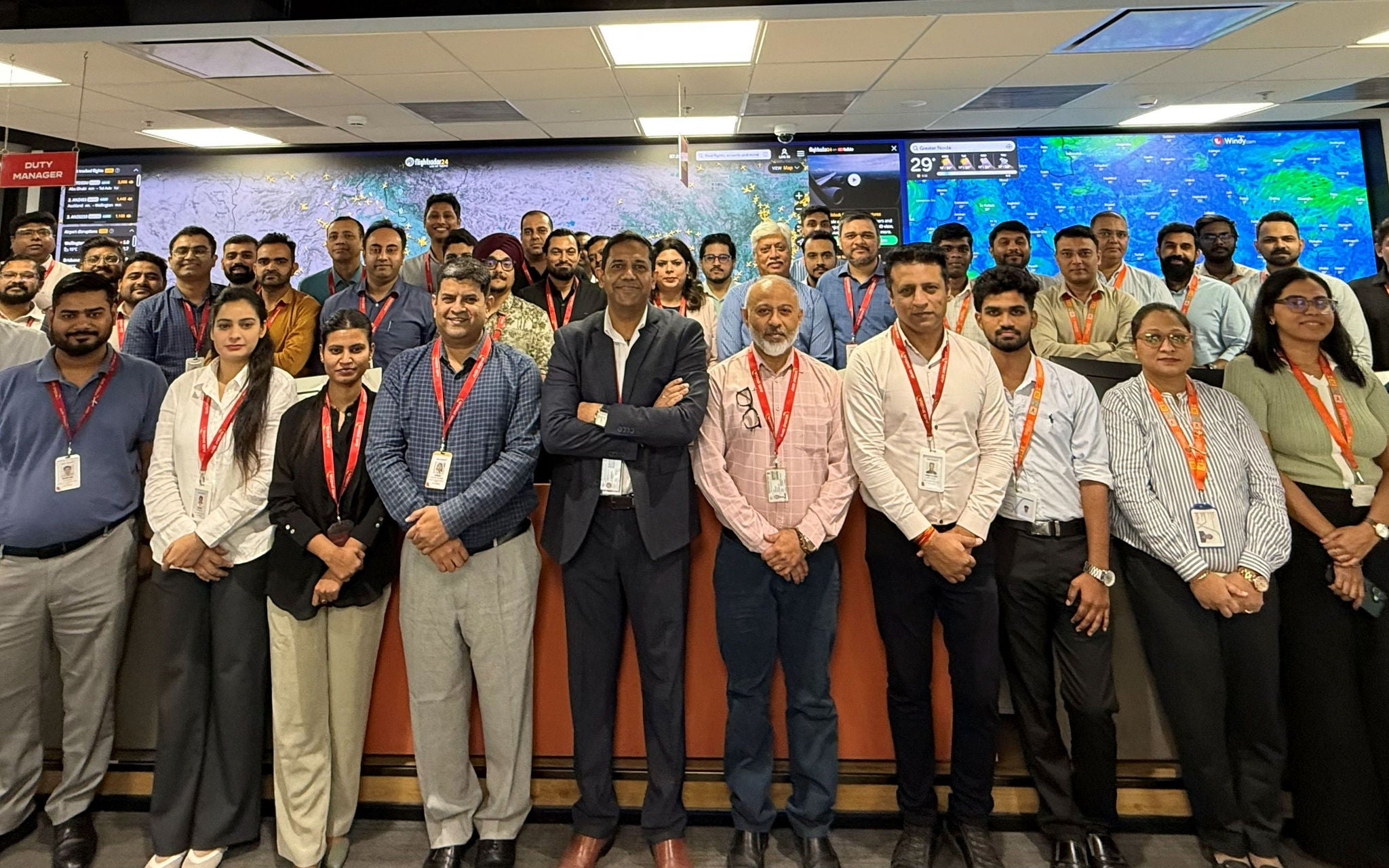
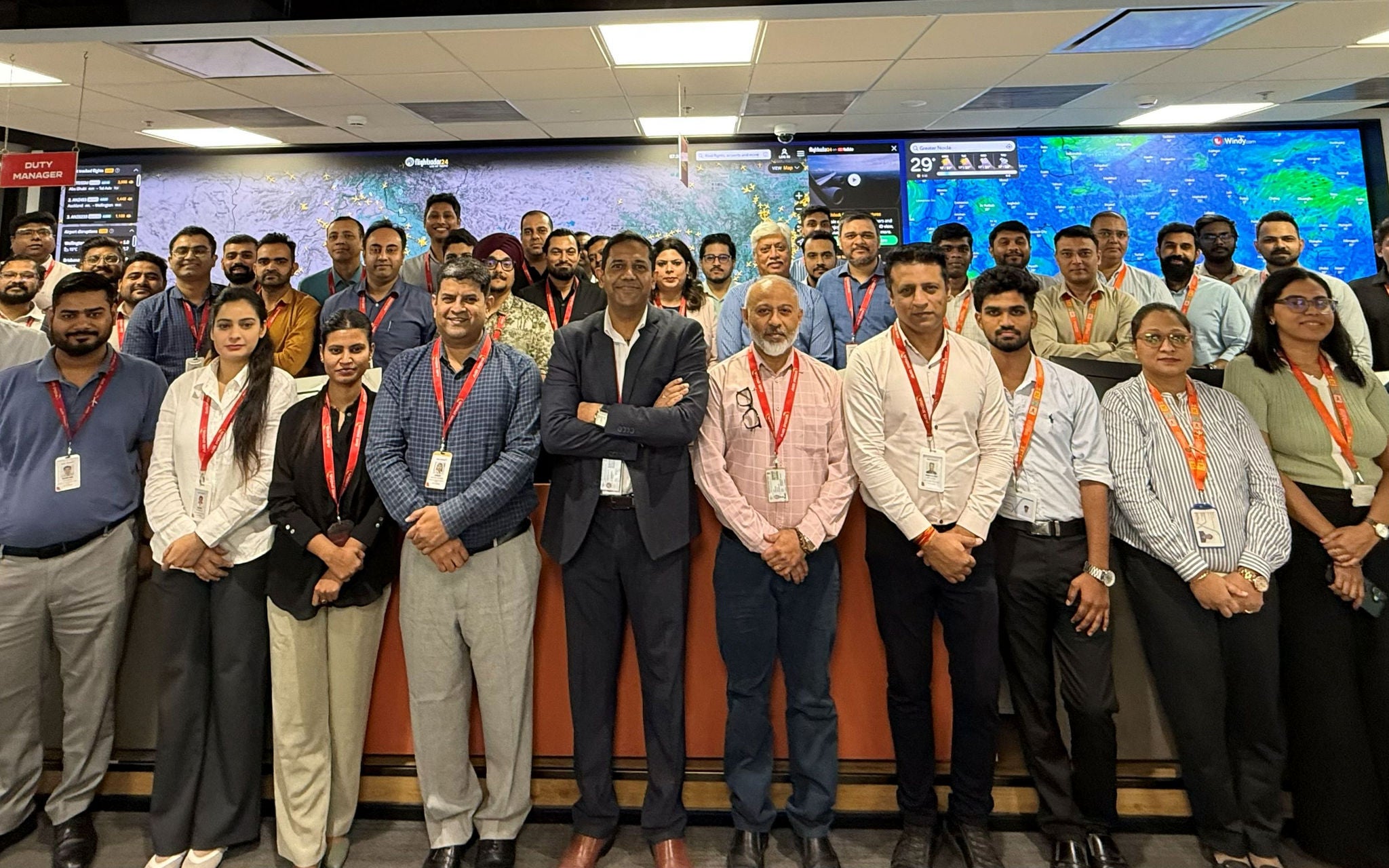
This is Air India's Operations Control Centre, or OCC.
Every minute of every day, teams here maintain a watch over the airline's operations, tracking everything from approaching storms and airport congestion to aircraft movements and crew availability. Most passengers will never know it exists, yet the decisions made here touch every flight in the network.
In many ways, it is aviation's version of mission control, where information becomes action and preparation helps keep every journey safe.
“The OCC serves as the airline's operational nerve centre, bringing together people, technology and real-time information to support safe decision-making across the network. By anticipating risks, monitoring developments and coordinating responses, we help ensure that safety remains at the centre of every flight, every day,” says Capt. Vikram Dayal, Head of Air India’s Mission Management.
Long before passengers begin boarding and before pilots settle into the cockpit, activity is already underway inside the OCC.
On one screen, weather forecasts are being reviewed. On another, teams are monitoring airport conditions across the network. Flight dispatchers, crew planners, engineering specialists and operations controllers are studying the day ahead, looking for anything that could affect flight hours from now.
A thunderstorm forecast for later in the evening. Fog expected at an airport before sunrise. Airspace restrictions along a busy route. None of these are necessarily problems. But in aviation, anticipating change is just as important as responding to it.
By bringing together information from across the operation, the OCC helps build a constantly evolving picture of the network, allowing teams to identify risks early and prepare well before an aircraft leaves the gate.
Once a flight departs, the monitoring doesn't stop.
Across the operations floor, aircraft move steadily across digital screens, each one part of a much larger picture. Controllers track flights from departure to arrival, keeping watch on weather patterns, airport activity, airspace constraints and operational developments across the network.
A line of storms begins building along a flight path. Visibility drops at a destination airport. Air traffic restrictions are introduced unexpectedly.
As conditions evolve, information flows between operational teams and flight crews, ensuring the latest situational picture is available to support decision-making.
For passengers, the cabin may feel calm and routine. Inside the OCC, hundreds of moving pieces are being continuously monitored to help keep it that way.
No airline operation unfolds exactly as planned every day. Weather shifts, airports become congested. Aircraft and crew schedules need adjustment. New information emerges right before take-off. When that happens, the OCC becomes a hub of coordination.
Conversations begin across teams. Alternative options are assessed. Operational impacts are modelled. Resources are repositioned where needed. The focus is never simply on maintaining schedules. It is to ensure that every decision is taken carefully, methodically and with safety at the centre.
Because in aviation, changing a plan is not a sign that something has gone wrong. Often, it's evidence that the system is working exactly as intended.
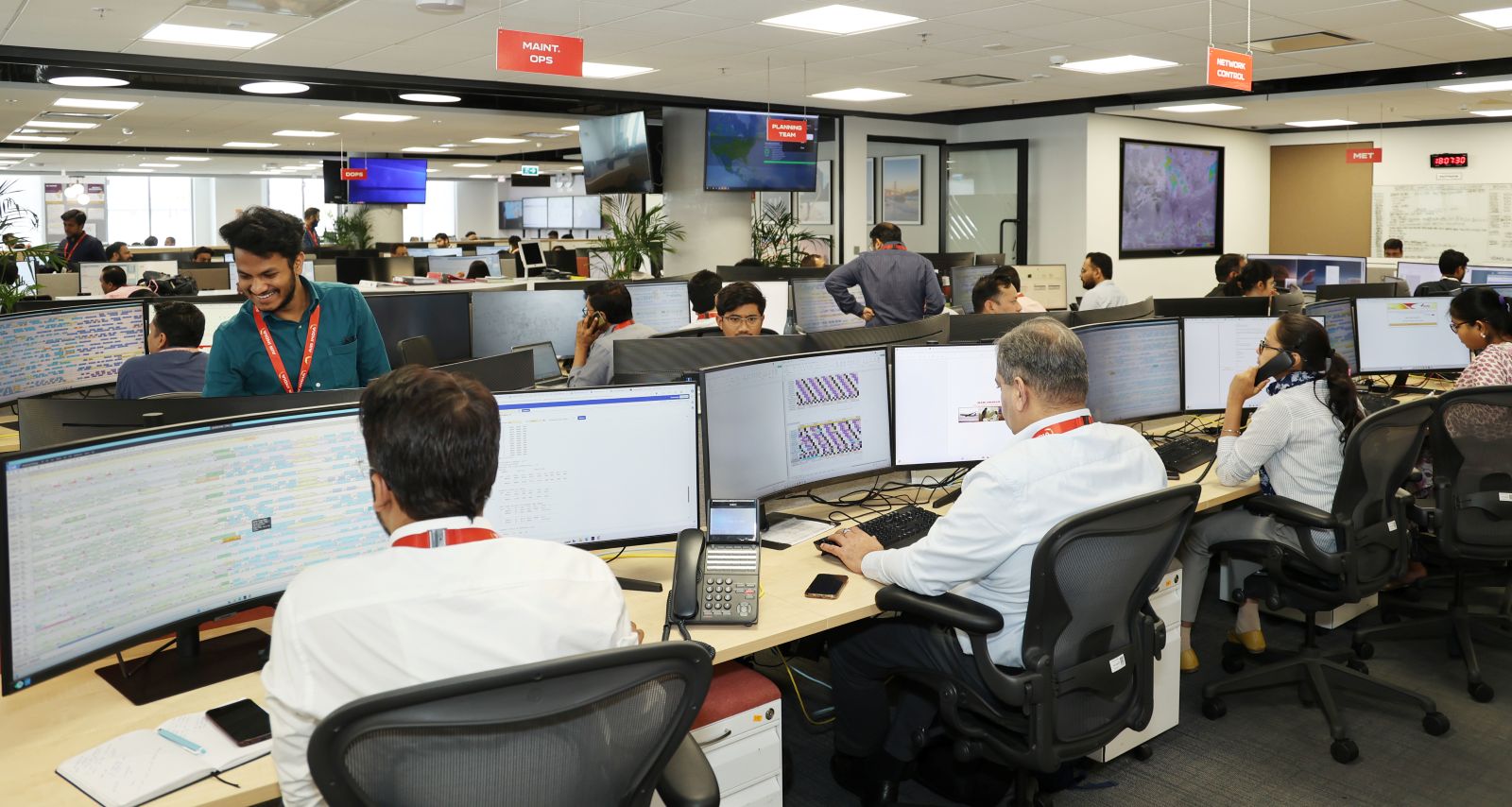
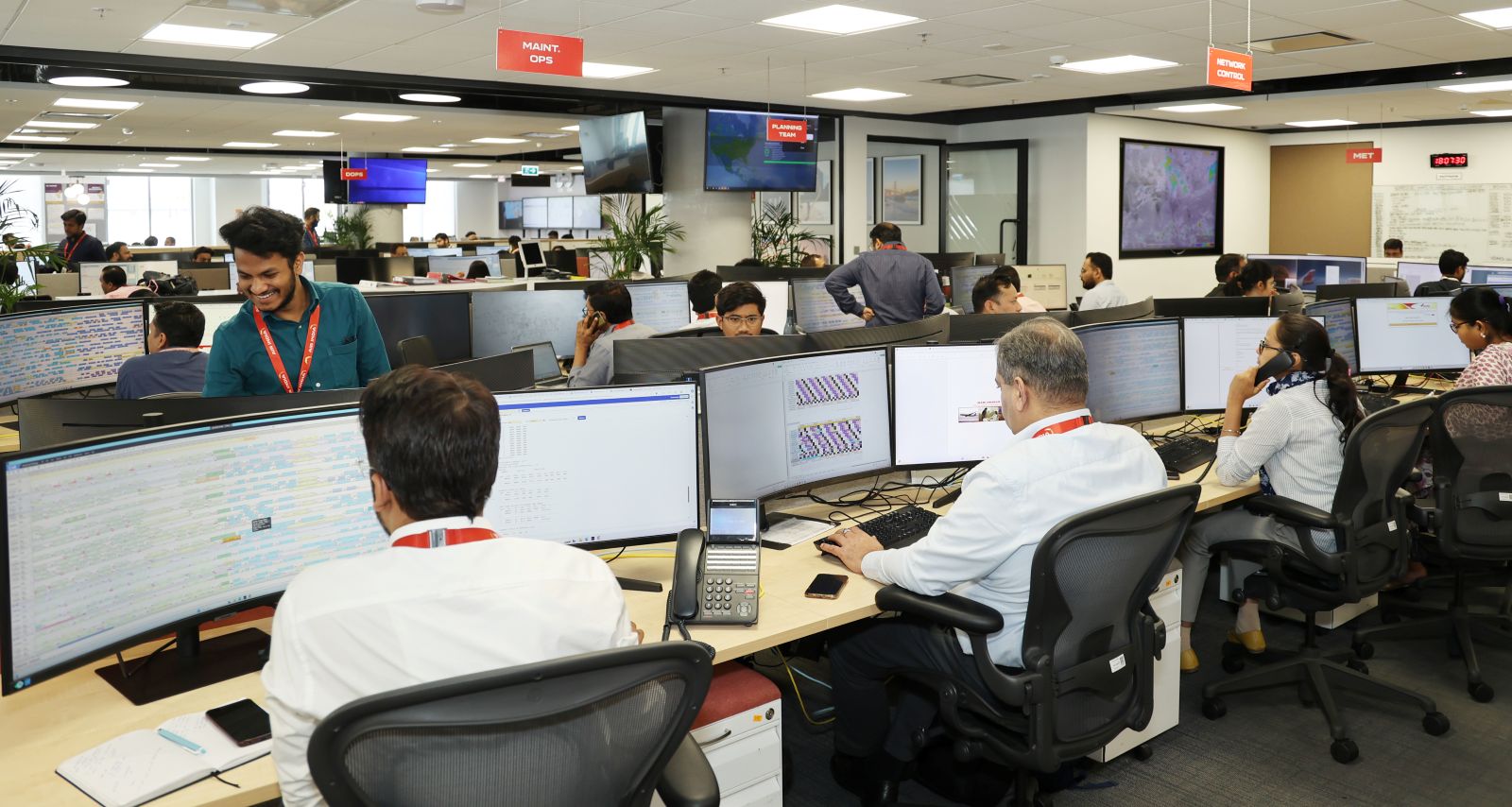
One of the most distinctive features of the OCC is that it brings multiple operational functions together under one roof.
Flight operations specialists sit alongside engineering teams, crew planners, network controllers and airport operations experts. As information changes, it can be shared, assessed and acted upon almost immediately.
If an aircraft requires technical attention, engineering experts can work directly with flight operations and scheduling teams to determine the safest path forward. If weather affects multiple airports, network teams can quickly understand the broader impact across the operation.
In a business where thousands of interconnected decisions are made every day, proximity matters. Sometimes the difference between a routine adjustment and a larger disruption is how quickly the right people can come together around the same information.
Pilots operate the aircraft. The OCC helps ensure they are supported by the widest possible operational picture.
While flight crews focus on safely conducting their flight, teams on the ground continue monitoring developments far beyond the view from the cockpit window, from changing weather systems and airport conditions to network-wide operational considerations.
“There is no single action that delivers safety in aviation. It comes from multiple layers working together: people, technology, processes and constant vigilance. The OCC plays an important role in connecting those layers and ensuring risks are understood and managed in a coordinated manner,” says Capt. Dayal.
It is a constant exchange of information, expertise and situational awareness. The result is a layered approach to safety, where decisions are strengthened by collaboration between skilled professionals in the air and on the ground.
Most days, the OCC at Air India is busy managing the normal rhythm of a global airline operation. But it is also designed for the moments that fall outside the routine. Unexpected weather events. Operational disruptions. Situations requiring rapid coordination across multiple teams and locations.
When circumstances change, the centre serves as a focal point for information sharing, decision-making and coordination. And in the rare event of a significant disruption or emergency, it works alongside Air India's Emergency Command Centre and specialist teams to support a coordinated response focused on passenger safety and wellbeing.
Preparation, after all, is one of aviation's most important safety tools.
Most passengers will never walk through the doors of the OCC.
They won't see the weather maps updating every few minutes. They won't hear the discussions taking place as operational plans are refined throughout the day. They won't notice the teams tracking dozens of flights simultaneously across the network.
What they will experience is the outcome. A flight that is planned carefully. A journey supported by real-time monitoring. Decisions informed by operational awareness and coordination.
The OCC is one of many layers of safety that exist behind every Air India flight, working quietly, continuously and often invisibly to help ensure that the right information reaches the right people at the right time. And when it does its job well, most passengers will never know it was there at all.